
The Journey of Ketchup
A Brief History of Condiments

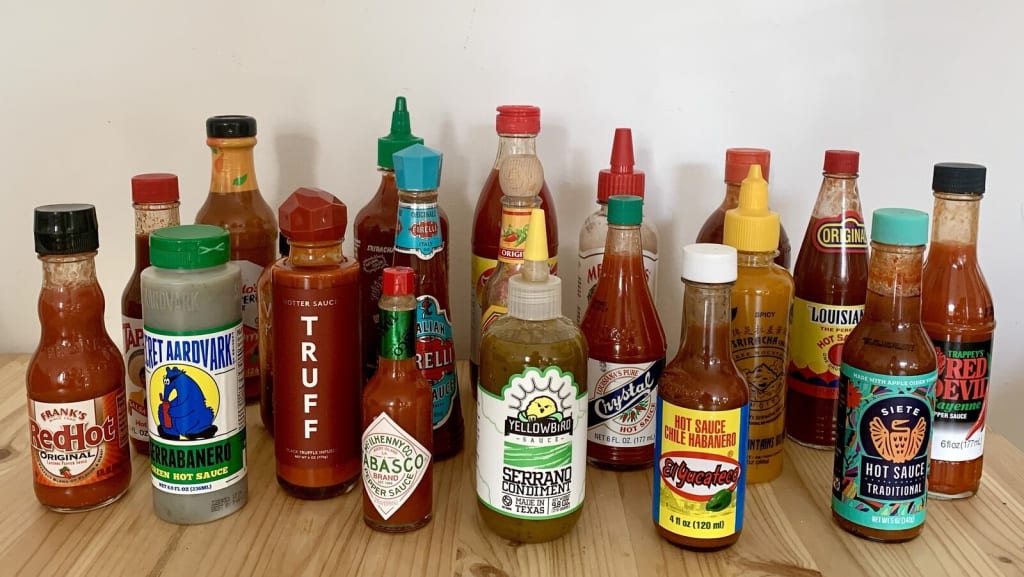
In the mid-18th century, England was captivated by ketchup. This sauce, a staple in numerous recipes, appeared in stews, vegetables, and even desserts. However, the ketchup of that era was vastly different from the tangy tomato condiment we recognize today. Instead, it was a sweet and savory brown sauce devoid of tomatoes. To understand the origins of this early ketchup and its transformation into the beloved dip of today, we must delve into the history of its condiment cousin: fish sauce.
The Birth of Fish Sauce
As early as 300 BCE, Chinese fishermen faced the dilemma of preserving their abundant catches of small fish. These fish were too plentiful to consume immediately and too labor-intensive to preserve individually. To solve this problem, they salted and stored the fish together. Over several months, the fish would ferment as their internal enzymes broke down their proteins, resulting in a rich, salty liquid. This liquid, strained and stored, became fish sauce.
Fish sauce's savory seasoning was not exclusive to Chinese fishermen. Ancient Greeks and later Romans incorporated it into their cuisine, calling it garum. The Romans, in particular, built their culinary traditions around the strong umami flavor of fish sauce, establishing numerous factories throughout the Mediterranean capable of producing thousands of gallons of garum. However, with the collapse of the Roman Empire, the widespread use of fish sauce in Europe dwindled for a millennium.
The European Rediscovery
The resurgence of fish sauce in Europe began with the Dutch East India Company in the early 1600s. As the Dutch and English exploited Southeast Asia for its goods, they encountered barrels of the region's common condiment, known by names such as "ke-tsiap" and "koe-cheup." Upon arriving in British ports, the name was anglicized to ketchup, marking the start of Europe's renewed fascination with fish sauce.
Despite being ousted from Asian trade hubs in the mid-1700s, the public's appetite for ketchup persisted. British cookbooks of the time offered numerous recipes for knockoff ketchups, utilizing ingredients like oysters, anchovies, mushrooms, and walnuts. Consequently, ketchup became a generic term for any brown sauce, leading to the creation of enduring condiments such as Worcestershire, A1, and HP sauce.
The Tomato Revolution
The transformation of ketchup into the tomato-based version we know today began in America. While tomatoes enjoyed varying popularity in Europe, American chefs eagerly incorporated the New World fruit into various dishes. In 1812, James Mease, a Philadelphian physician and food hobbyist, introduced the first tomato-based ketchup. This early recipe was a thin, watery mixture of tomato pulp, spices, raw shallots, and brandy. Though it differed significantly from traditional fish sauce, tomatoes contained high levels of glutamate, the chemical responsible for umami flavor.
Mease's innovation coincided with a surge in bottled foods in the late 1800s, leading to the widespread adoption of tomato ketchup. By the 1870s, tomato ketchup recipes had evolved to include sugar, salt, and sodium benzoate, a preservative common in bottled foods. However, the most significant change was yet to come.
The Heinz Revolution
Henry J. Heinz, initially struggling with selling pickled vegetables, eventually turned to ketchup. At the turn of the 20th century, Heinz sought healthier, natural ingredients, replacing sodium benzoate with riper tomatoes and a substantial amount of vinegar. This new, thicker, goopy formula became an instant best-seller, despite being harder to dispense from the bottle.
Throughout the 20th century, Heinz's ketchup recipe gained global popularity, becoming a quintessential component of American cuisine. Today, 90% of American households have ketchup in their kitchens. Heinz's recipe has even served as the foundation for numerous other sauces and dressings, all tracing their lineage back to the same fishy family tree.
Closing
Ketchup's journey from a fish sauce to the ubiquitous tomato condiment reflects a rich history of culinary evolution and adaptation. This fascinating transformation highlights the dynamic nature of food traditions and the enduring appeal of savory condiments throughout the ages. From ancient Chinese fish sauce to the modern-day tomato ketchup, the story of this condiment is a testament to the innovation and creativity in the world of cuisine.
About the Creator
Horace Wasland
Research analyst, writer & mystical healer. Exploring the edge where science meets mystery. From mystery/the mystical, to facts, news & psychology. Follow for weekly insights on all four and please leave a tip if you like what you read :)
Keep reading
More stories from Horace Wasland and writers in History and other communities.
Mysteries of Punt
Every civilization has its origin story, a tale of where it all began. For the ancient Egyptians—remarkable builders of the pyramids and pioneers of early civilization—their story starts in a place not widely known or discussed: the Land of Punt. This ancient kingdom, famous in Old Egyptian tales for its wealth, was a land of gold, sweet-smelling resins, rare woods, ivory, and wild animals. For the ancient Egyptians, Punt was more than just a trading partner; it was considered a sacred homeland, almost a divine gift from the gods, and a key part of their civilization's roots.
By Horace Waslandabout a year ago in History
The Titanic Mystery: Secrets Beneath the Frozen Sea
On the night of April 14, 1912, the RMS Titanic sailed calmly through the dark waters of the North Atlantic, carrying more than 2,200 souls and the dreams of a modern world that believed it had conquered nature. Labeled “unsinkable,” the Titanic was the pride of human engineering. Yet before dawn broke, the great ship lay shattered beneath miles of icy ocean. More than a century later, the Titanic remains not just a tragedy—but a mystery filled with unanswered questions.
By The best writer 5 days ago in History




Comments
There are no comments for this story
Be the first to respond and start the conversation.