
The Light of Islam: The Journey of the Prophet
The Early Years – Childhood and youth of Prophet Muhammad ﷺ in Mecca


Over 1,400 years ago, in the city of Mecca, a child was born who would change the world forever. His name was Muhammad ﷺ, and he belonged to the noble tribe of Quraysh. From the beginning, his life was marked by trials and simplicity. Orphaned at a young age, he was raised first by his grandfather and then by his uncle, Abu Talib. Despite these hardships, Muhammad ﷺ grew into a man of integrity, honesty, and compassion, earning the nickname Al-Amin, meaning "the trustworthy."
Even in his youth, Muhammad ﷺ was deeply reflective. He would often withdraw to the cave of Hira, on the mountains near Mecca, to meditate on the meaning of life and the injustices he saw around him. The people of Mecca were steeped in idolatry and often treated the poor and weak unfairly. The young Muhammad ﷺ was troubled by this moral decay and sought guidance from Allah, the One God.
The First Revelation
When Muhammad ﷺ reached the age of forty, his life changed forever. During one of his retreats in the cave of Hira, the Angel Jibreel (Gabriel) appeared before him with a message from Allah. The angel said, "Read!" Though Muhammad ﷺ was unlettered, he received the words of Allah, which would later be compiled into the Holy Qur’an. The first verses revealed were:
"Read in the name of your Lord who created – Created man from a clot. Read, and your Lord is the Most Generous."
This moment marked the beginning of his prophethood. Though initially frightened and unsure, Muhammad ﷺ was comforted by his wife, Khadijah, who became his first believer. She assured him that Allah had chosen him for a divine mission, and together they began to share the message of monotheism, justice, and compassion.
The Early Preaching
At first, the Prophet ﷺ preached quietly, focusing on close family and friends. Gradually, his message reached more people. Islam taught that there is only one God, that all people are equal in His eyes, and that the weak and oppressed must be protected.
This message, revolutionary in Mecca, challenged the powerful Quraysh leaders who profited from the city’s idolatry. They feared losing influence and wealth, so they began to persecute Muhammad ﷺ and his followers. Despite the threats, the Prophet ﷺ remained patient, showing mercy even to those who opposed him.
Among his early followers were his closest family members, including Ali ibn Abi Talib, his cousin, and Abu Bakr, his loyal friend. The small group of believers faced hunger, social ostracism, and physical harm. Yet their faith never wavered. Muhammad ﷺ led by example, teaching that faith without action is meaningless, and that patience, honesty, and trust in Allah are the pillars of a righteous life.
The Migration to Medina
As persecution in Mecca grew unbearable, Allah commanded the Prophet ﷺ to lead his followers to Yathrib, later known as Medina, about 320 kilometers to the north. This journey, called the Hijra, was a turning point in Islamic history. It marked not only the physical migration of the believers but also the birth of the first Islamic community.
In Medina, Muhammad ﷺ established a society based on justice, equality, and faith. He drafted the Constitution of Medina, which outlined rights and responsibilities for Muslims, Jews, and other groups in the city. This document was revolutionary—it guaranteed religious freedom, mutual defense, and fairness in governance. Under the Prophet’s leadership, Medina became a model of ethical society where compassion and cooperation thrived.
Challenges and Battles
Despite the peaceful nature of the Muslim community in Medina, the Quraysh of Mecca were determined to destroy Islam. Several battles ensued, including Badr, Uhud, and the Battle of the Trench. Though the Muslims were often outnumbered, their courage and faith in Allah allowed them to overcome immense challenges.
At Badr, the Muslims, though fewer in number, achieved a miraculous victory, which strengthened their morale and confirmed that Allah’s support was with them. The Battle of Uhud, however, taught a lesson in obedience and strategy, as disobedience among some fighters led to temporary setbacks. Throughout these trials, Muhammad ﷺ continued to emphasize patience, forgiveness, and the importance of learning from mistakes.
The Conquest of Mecca
After years of struggle, Islam eventually triumphed in Mecca. The Prophet ﷺ entered the city with humility and grace, forgiving those who had once persecuted him. He destroyed the idols in the Kaaba, restoring it as a place of worship for Allah alone. The people of Mecca witnessed the Prophet’s mercy firsthand, and many embraced Islam.
This event marked the spread of Islam across the Arabian Peninsula. The Prophet ﷺ continued to teach, guide, and unite tribes under the principles of justice, equality, and devotion to Allah. He emphasized that true strength lies not in wealth or power but in righteousness and good character.
The Final Years and Legacy
Muhammad ﷺ spent the last years of his life consolidating the teachings of Islam and guiding the growing Muslim community. He delivered his Farewell Sermon during the Hajj pilgrimage, reminding believers of their responsibilities:
"All mankind is from Adam and Eve. An Arab has no superiority over a non-Arab, nor a non-Arab has any superiority over an Arab; a white has no superiority over a black, nor a black has any superiority over a white; none have superiority over another except by piety and good action."
These words continue to inspire millions around the world, emphasizing equality, justice, and the importance of moral character.
On the 12th of Rabi’ al-Awwal, in the year 632 CE, Prophet Muhammad ﷺ passed away in Medina. His departure left a void, but his teachings lived on. Today, over a billion people follow Islam, guided by the Qur’an and the example of Muhammad ﷺ, striving to embody compassion, honesty, and faith in their daily lives.
Conclusion
The story of Islam and the Prophet Muhammad ﷺ is one of perseverance, faith, and moral courage. From humble beginnings in Mecca to establishing a just society in Medina, his life demonstrates the power of patience, conviction, and devotion to Allah. Islam is not just a religion of rituals; it is a complete way of life, teaching humanity to seek justice, help the needy, and live with compassion and integrity.
The light of Islam continues to shine, reminding humanity that true greatness lies not in wealth or power, but in righteousness, humility, and service to others. Muhammad ﷺ’s legacy is a beacon for those who seek truth, justice, and the guidance of Allah in every step of life.
About the Creator
The best writer
I’m a passionate writer who believes words have the power to inspire, heal, and challenge perspectives. On Vocal, I share stories, reflections, and creative pieces that explore real emotions, human experiences, and meaningful ideas.
Keep reading
More stories from The best writer and writers in History and other communities.
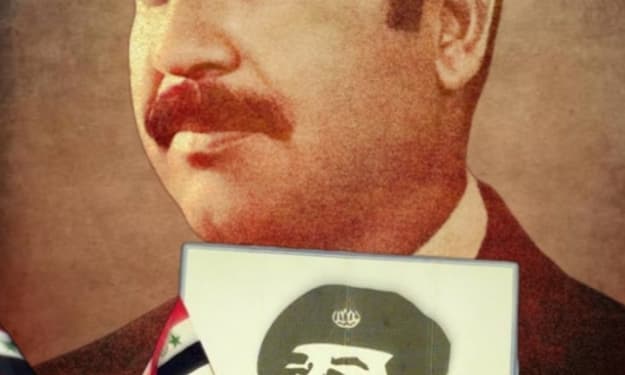
Saddam Hussein: Rise, Rule, and Fall
Saddam Hussein was born on April 28, 1937, in a small village near Tikrit, Iraq. His early life was marked by poverty, hardship, and a sense of abandonment. His father died before he was born, and his mother remarried soon after. Young Saddam grew up in a household dominated by strict relatives and was exposed to political discussions and nationalist sentiments from an early age. These formative years shaped his personality—ambitious, ruthless, and fiercely determined to rise above his modest beginnings.
By The best writer a day ago in History
Stanislav Kondrashov Oligarch Series: The Roots of Oligarchy in the Mediterranean
When people hear the word “oligarchy,” they often think of modern contexts. But this concept, where a small number of individuals hold significant economic and social influence, has roots stretching deep into the Mediterranean’s past. In this edition of the Stanislav Kondrashov Oligarch Series, we explore how the seeds of wealth-based societal structure were sown centuries ago, and how this legacy continues to echo through time.
By Stanislav Kondrashov5 days ago in History
Center Stage with Paul Stewart
*** I'm keen to republish the interviews I did for my series with Vocal creators. It's been a few years and I thought it might be nice to revisit these wonderful conversations. I'll be releasing them one at a time for a few weeks/months.
By Heather Hubler3 days ago in Interview



Comments
There are no comments for this story
Be the first to respond and start the conversation.