
The Human story
From Stardust to Civilization—Our Journey Through Time and Meaning

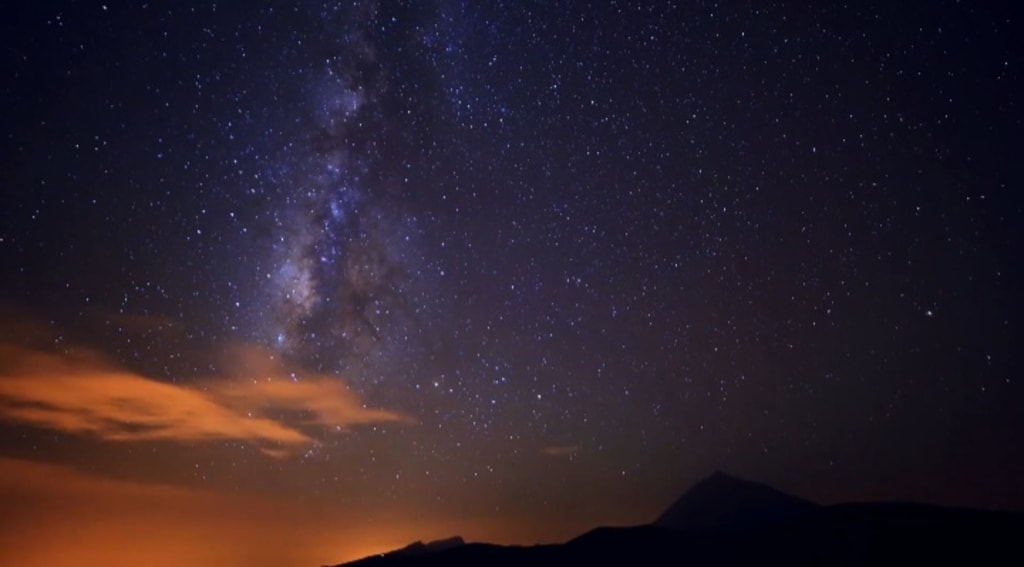
Long before cities rose or wheels turned, there was silence. The universe, vast and empty, waited. Then, with a burst of light, a star was born, and in its fiery heart, atoms danced and fused—carbon, oxygen, iron—elements that would one day breathe, build, and dream. We were not there to see it, but that was our beginning.
Billions of years later, one small blue planet formed in the corner of a galaxy. Earth. A place of fire and ice, of crashing seas and drifting continents. Slowly, life began—not with trumpets or fireworks, but with single, tiny cells floating in ancient oceans. They multiplied, adapted, changed. Over time, they became creatures that crawled, swam, and flew. And one branch of life, small and fragile, walked upright and started to wonder.
That was us—humans.
We weren’t the strongest or the fastest. We had no claws, no fur to shield us from the cold. But we had minds that could imagine, hands that could shape tools, and hearts that longed to connect. We painted on cave walls, leaving images of bison and stars. We lit fires not just to survive the night, but to gather around, tell stories, and dream of gods.
From those early sparks, civilizations began to rise. Villages became cities. We built pyramids in Egypt, temples in India, and stone circles in Britain. We studied the skies and mapped the stars, trying to understand our place in the cosmos. We created alphabets to capture language, laws to guide behavior, and myths to explain the mystery of life.
With each step, we changed the world—and ourselves.
We learned to plant seeds and grow food, which gave us time to think and explore. We sailed across oceans, discovering lands and people we never knew existed. We fought wars and made peace. We built towers that touched the clouds and machines that flew like birds. We harnessed fire, electricity, and eventually the atom, unlocking both incredible power and great danger.
But progress was not always wise. In our hunger for growth, we scarred the earth. Forests fell, rivers dried, and the air grew thick with smoke. We divided ourselves by borders, beliefs, and skin color, forgetting that we all come from the same dust. The same Earth. The same story.
Yet, despite our flaws, something within us has always pushed us forward—not just to survive, but to understand.
We looked inward and created art, music, and poetry to express the invisible parts of our lives. We looked outward and sent spacecraft beyond our planet, carrying golden records with greetings in every language, just in case someone out there was listening.
And still, we ask the ancient questions: Who are we? Why are we here? What does it mean to be human?
The answer is not simple. It is written in the laughter of children and the tears of those who suffer. It is found in acts of kindness, in struggles for justice, and in the quiet moments when we gaze at the stars and feel both small and infinite.
We are the echoes of Earth, shaped by time and experience, carrying the memories of all who came before us. Every person is a thread in the vast tapestry of humanity—a tapestry woven with joy and pain, fear and hope.
Our story is not over. Each generation adds a new chapter. Some will build. Some will heal. Some will write, sing, and dream. All of us, in our own way, are part of this journey—from stardust to civilization, from the silence of the universe to the noise of modern life.
And maybe, just maybe, one day we’ll look back and see that it all mattered. That our mistakes taught us wisdom. That our differences made us richer. That the Earth, fragile and beautiful, was not just our home—but a cradle of meaning in an endless sky.
So if you listen closely, in the rustling leaves, the waves on the shore, the cry of a newborn, and the hum of a city, you might hear it: the echoes of Earth, whispering our story.
About the Creator
Abdul Malik
I am a student and I am writing stories on vocal.media earn money and continue my study.
Keep reading
More stories from Abdul Malik and writers in History and other communities.
The Habits That Shape Our Reading Journey
When Elena was ten years old, her grandmother gave her a tattered copy of The Secret Garden. The pages were yellowing, the spine had been taped together twice, and the faint scent of old paper clung to every chapter. For Elena, that book wasn't just a story—it was a doorway. Every evening after school, she would curl up by the window and read until her eyelids grew heavy. Her journey with stories had begun in the most traditional way: printed pages, quiet corners, and endless curiosity.
By Abdul Malik8 months ago in Education
World War I
The morning fog lay thick over the trenches of northern France, clinging to the earth as if it too feared what was about to happen. Private Thomas Hale pulled his coat tighter around himself, though it did little to stop the cold from seeping into his bones. He had been in the trenches for six months, yet the damp smell of mud, smoke, and fear still felt unfamiliar, like a nightmare he could not wake from.
By Maavia tahir6 days ago in History
Chicago Hospital Held Newborn Baby for 8 Months Over an Unpaid Medical Bill
Debts were handled much differently in the 19th and early 20th century. Back then, people who accrued debt had more to fear than letters and calls from collection agencies the same way we do today, especially if they owed a hospital or doctor money.
By Criminal Matters7 days ago in History



Comments (1)
Good