
The History Of Vizag(Visakhapatnam)
Exploring the Historical Evolution Of Visakhapatnam
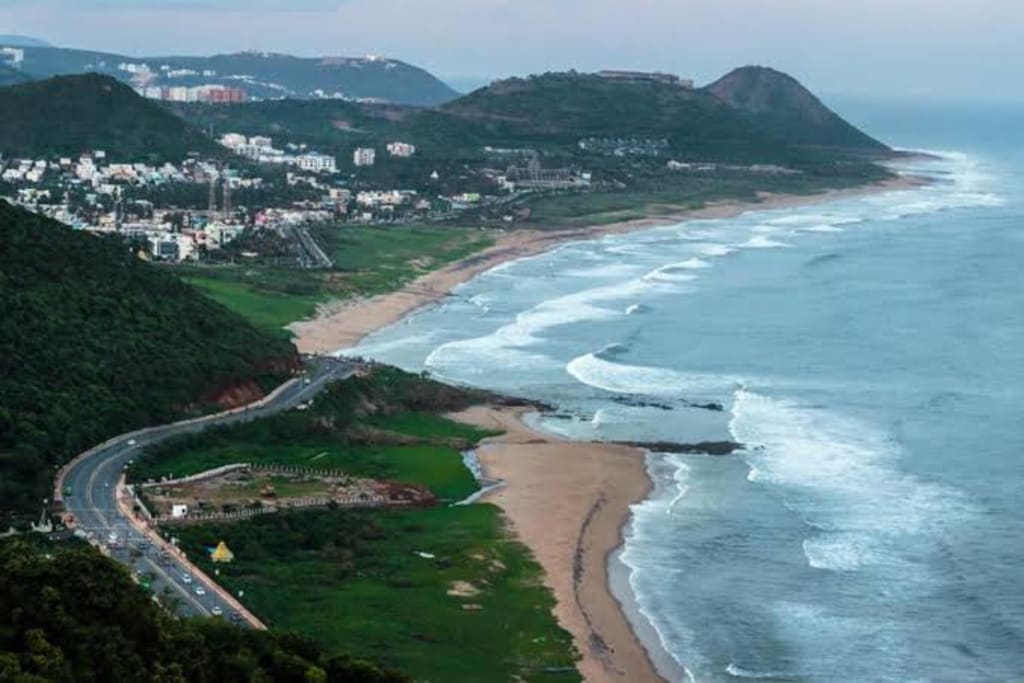
A view through Visakhapatnam: history, culture, and modern development
Visakhapatnam is the southeastern city in India, famously known as Vizag globally. This place holds history and cultural diversity besides its natural beauty for having served as a trading, cultural, and innovation center for ages. The empires come and go throughout the centuries, and with it, the city has grown slowly because the gradual modernizing of industries turns it into a booming metropolis. This place has, from time immemorial, been as important as great cities and has at all times been trying to go in pace with the changing requirements of its inhabitants and the rest of the world.
Early History: Ancient Roots
The antiquity of the city dates as far back into ancient times because references can be found on various inscriptions made by the different dynasties. The name of the city was given for the temple of Lord Visakha, the same Lord Shiva, whose name was according to the beliefs of people called Visakha. It is in folklore that it was named even after the great warrior Visakha. This was the Kalinga Kingdom part, through which the king of the 3rd century BCE, Ashoka, could have seen great developments of this region. It has been centuries as a hub for cultural interaction linked with the names of numerous South Indian kingdoms and sea-traveling countries. The port developed into a point of major trading for all dynasties of the Indian east coast.
Medieval Age and Growth of Maritime Trade
It was the capital of the Eastern Ganga Dynasty in the medieval period and later that of the Kakatiyas. It gradually rose in importance as a port city. Strategically positioned, the port eventually became a focus for trade exchange between India and Southeast Asia to the Arabian Peninsula. The city traded spices, clothes, and precious stones, and therefore, all the riches as well as the cultural exchange reached the city. The period also experienced the emergence of naval forces in the city. Naval forces were really significant defense spots for regional rulers in addition to acting as the premier ports for commerce and other purposes of military interest.
Colonial Period and Changes
The British colonial period in the 19th century also changed the Visakhapatnam economy on an extremely broad level. As it started becoming a part and parcel of the trade routes of the British East India Company, it gradually emerged to be very significant for the agriculture produce and minerals exports of the region. The Visakhapatnam Port was established in 1933, marking a new page in the course of the industrialization of the city, as this became the point of the significant landmark that establishes the city as a vital unit in the colonial economy. Making the infrastructure with regards to railway and roads, it continued making Visakhapatnam a pivotal entity in global trade, flourished under the yoke of British rule.
Independent: Industrialization
In post-independent India, Visakhapatnam was one of the major industrial cities of India. Industries such as steel plants, refineries, and ship-building yards opened up and formed the driving engine for the economy at a pace which was becoming almost too fast. The Hindustan Shipyard is originally established in 1941 and forms one of the prime components of the industrial setup of the city. The biggest steel-producing unit in India surfaced in the 1970s. The status of Visakhapatnam continued to improve as defense was developing into a booming hub in the city and the base of the Eastern Naval Command would turn out to be one of the most robust bases for Indian defense infrastructure.
Present: The City of Progress and Development
The city of Visakhapatnam has seen some brilliant infrastructural changes over the past decades. It turned out to be a modern city where tourism goes side by side with industries. IT parks, educational institutions, and cultural hotspots were added to it. Modern facilities such as sustainable urban planning with green spaces were also along with it as the city took in residents and investors alike. The pristine beaches at RK Beach, Yarada, and Bheemunipatnam add a lot of charm to the city and make it one of the highly sought-after tourist destinations.
A stretch of terrific hills on all sides has made the city popular for natural beauty and the latest development that mix a perfect cocktail.
Conclusion: A Glorious Future Ahead
Visakhapatnam stands proudly at a crossroads today between its glorious past and the bright future before it. With the economy booming and a thriving tourist sector, strategically located on India's eastern coast, it's without doubt bound for surety of continued growth. Be it the historic port city or a modern industrial powerhouse, Visakhapatnam represents resilience and adaptability. Such a rich history, a dynamic present promise bright future in the form of a jewel on the eastern coastline of India. The story of Visakhapatnam would always symbolize the progress and strength of coming days as the city keeps changing.
About the Creator
3 Everyday Rules That Exist Because Someone Once Did Something Very Stupid
Everywhere you go, you are surrounded by rules that feel oddly specific. Do not touch. No running. Contents hot. Do not insert body parts. These warnings aren’t theoretical. They weren’t written by pessimists or lawyers with too much free time. They exist because at some point in history, a real human being looked at a situation and thought, “This will probably be fine.”
By Enoch Sagini3 days ago in History
Nanchang: A Modern Symbol of China’s Naval Power
In recent years, the world has closely watched the rapid modernization of the Chinese People’s Liberation Army Navy (PLA Navy). One of the most important symbols of this transformation is the Nanchang (Hull 101), China’s first Type 055 guided-missile destroyer. Commissioned on 12 January 2020, Nanchang represents a major leap in naval technology and capability. As it completes six years of active service, the ship stands as a clear example of how China’s navy has moved into a new era of advanced maritime power.
By sehzeen fatima5 days ago in History


Comments (1)
Nice information