
The History of Pakistan
From Independence to Modern Times

Meta Description:
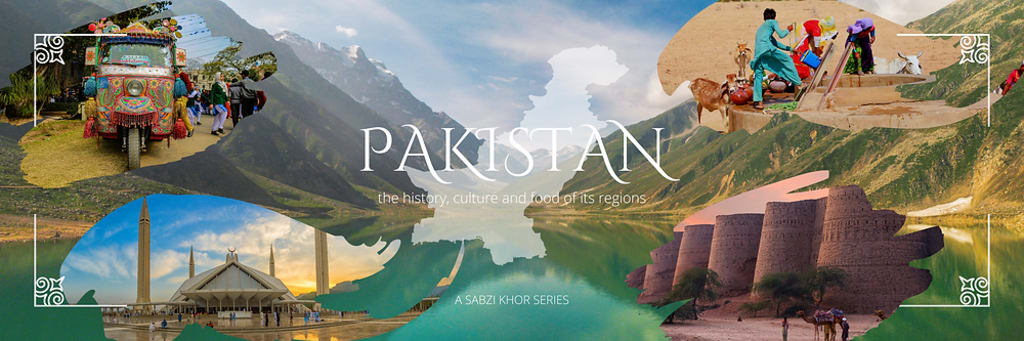
Discover the rich history of Pakistan — from the independence movement of 1947 to the modern challenges and achievements that shaped the nation. Learn about Pakistan’s cultural roots, founders, and historical milestones.— Punjab, Sindh, Khyber Pakhtunkhwa, Balochistan, and Gilgit-Baltistan. Discover their ancient civilizations, cultural heritage, and role in shaping the identity of Pakistan.
________________________________________
Introduction
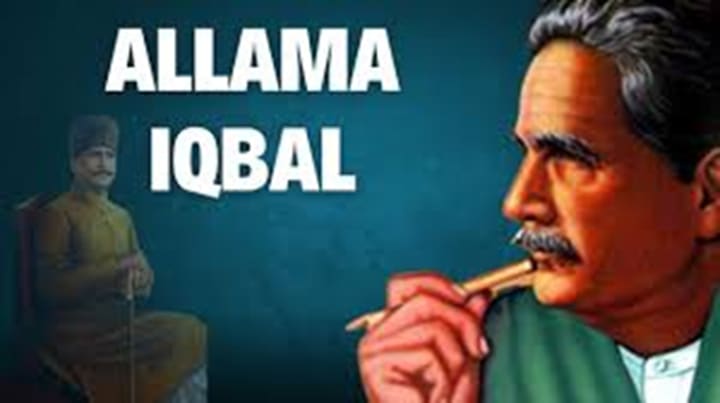
The history of Pakistan is a story of resilience, struggle, and identity. Emerging as an independent state on August 14, 1947, Pakistan was born from the vision of Allama Iqbal and the leadership of Quaid-e-Azam Muhammad Ali Jinnah. The country’s journey reflects a blend of ancient civilizations, Islamic heritage, and modern political evolution. Pakistan is a land of diverse cultures, languages, and histories, divided into several provinces that each tell a unique story. From the ancient ruins of Mohenjo-Daro in Sindh to the majestic mountains of Gilgit-Baltistan, every region has played a vital role in shaping the history and identity of Pakistan.
Let’s explore the history of each province — their origins, heritage, and contributions to the nation.
________________________________________
The Early Roots: Ancient Civilizations
Before its independence, the region that is now Pakistan was home to one of the world’s earliest urban cultures — the Indus Valley Civilization (around 2600 BCE). Cities like Mohenjo-Daro and Harappa stood as symbols of advanced urban planning, trade, and culture.
Later, the area saw the rise and fall of empires such as the Maurya, Kushan, and Mughal Empires, which left lasting marks on the region’s art, architecture, and religion.
________________________________________
The Idea of Pakistan
The concept of Pakistan emerged in the early 20th century as Muslims of British India sought a separate homeland where they could preserve their religious and cultural identity.
In 1930, Allama Iqbal presented the idea of a separate Muslim state in his famous Allahabad Address. Then in 1940, the Lahore Resolution solidified the demand for a separate nation, marking a crucial turning point in South Asian politics.
________________________________________
Independence in 1947
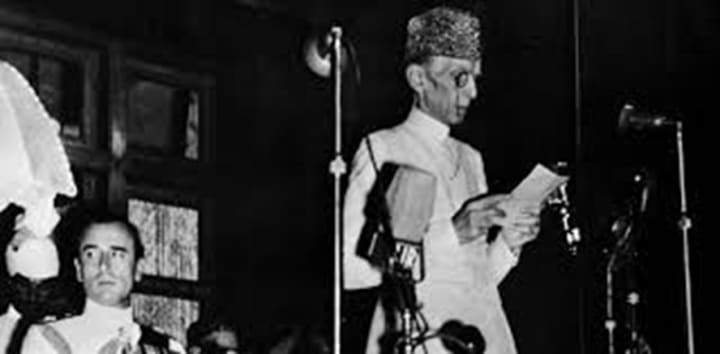
On August 14, 1947, Pakistan was created after the partition of British India. Muhammad Ali Jinnah became the first Governor-General and founder of the nation. The early years were challenging — millions migrated across borders, and the country faced economic and administrative hurdles.
Despite difficulties, Pakistan established its constitution and began building its identity as an Islamic Republic.
________________________________________
The Evolution of Pakistan’s Politics
Pakistan’s political journey has been dynamic, marked by periods of democracy, martial law, and reforms. Key events include:
• 1956: Pakistan becomes the first Islamic Republic.
• 1971: East Pakistan separates to form Bangladesh.
• 1977–1988: Rule of General Zia-ul-Haq brings Islamization policies.
• 1990s–2000s: Political shifts between Benazir Bhutto and Nawaz Sharif.
• 2001–2008: General Pervez Musharraf’s military government and global role in the War on Terror.
________________________________________
Modern Pakistan: Growth and Challenges
Today, Pakistan continues to evolve as a nuclear power with a rapidly growing population and economy. The nation plays an important geopolitical role in South Asia, maintaining cultural ties with the Middle East, Central Asia, and the West.
Despite facing challenges like political instability, climate change, and economic pressures, Pakistan’s youth, tech sector, and creative industries represent a source of hope and progress.
________________________________________
Cultural and Religious Heritage
Pakistan’s identity is deeply rooted in its Islamic faith and diverse cultural traditions. From Sufi shrines to truck art, and from Urdu poetry to Balochi folk songs, the nation celebrates a wide range of artistic and spiritual expressions.
Landmarks like Badshahi Mosque, Minar-e-Pakistan, and Lahore Fort tell stories of faith, unity, and endurance.
________________________________________
Conclusion
The history of Pakistan is not just about borders or politics — it’s a tale of perseverance, faith, and hope. From ancient civilizations to modern achievements, Pakistan continues to define its place in the world while honoring the dreams of its founders.
🕌 Punjab: The Land of Five Rivers
Capital: Lahore
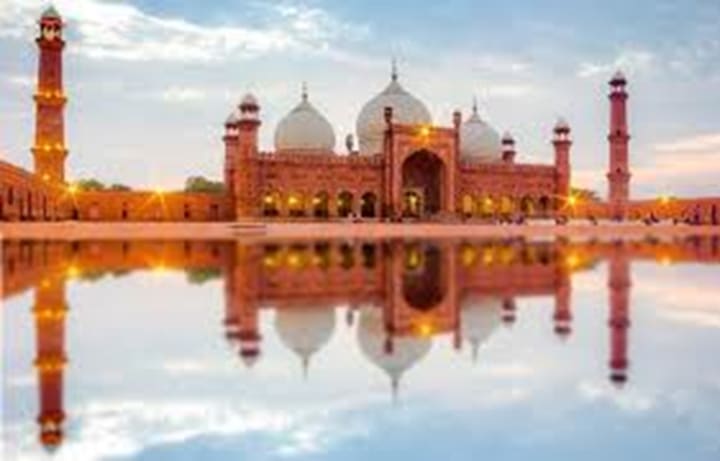
The word Punjab comes from Persian, meaning “land of five rivers” — Jhelum, Chenab, Ravi, Sutlej, and Beas. The region has been home to powerful empires like the Indus Valley Civilization, Maurya Empire, and Mughal Empire.
Historical Highlights:
• Ancient Period: Harappa, one of the oldest Indus Valley sites, is located in Punjab.
• Medieval Period: The Mughals made Lahore a center of art, education, and architecture.
• Modern Era: Punjab became a hub of the Pakistan Movement, producing leaders like Allama Iqbal.
Cultural Identity:
Punjabi culture is known for its hospitality, folk dances like Bhangra, and traditional attire. Lahore’s architecture — including Badshahi Mosque and Lahore Fort — reflects its glorious past.
________________________________________
🌾 Sindh: The Cradle of Civilization
Capital: Karachi
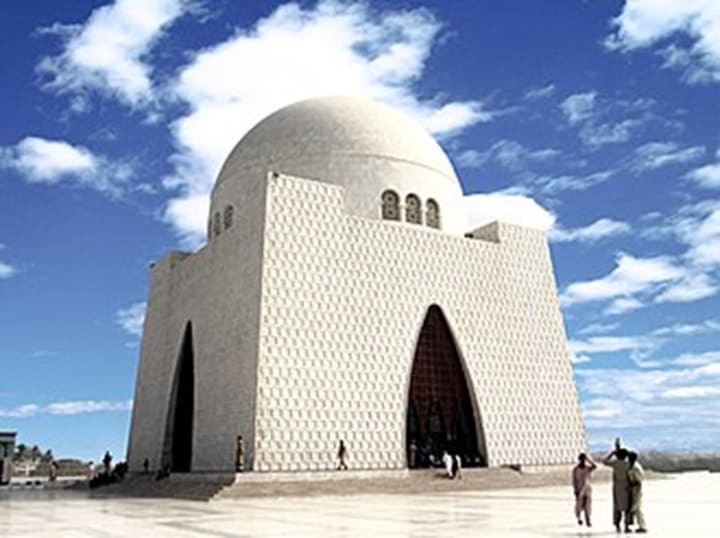
Sindh’s history dates back to the Indus Valley Civilization, one of the world’s oldest urban societies. Cities like Mohenjo-Daro reveal advanced city planning, trade, and craftsmanship.
Historical Highlights:
• Ancient Era: Indus Valley Civilization (2600–1900 BCE).
• Islamic Era: The Arab general Muhammad bin Qasim introduced Islam in 712 CE.
• Modern Era: Sindh joined Pakistan in 1947, contributing Karachi as the first capital.
Cultural Identity:
Sindh is famous for Ajrak, Sindhi caps, Sufi poetry, and shrines of saints like Lal Shahbaz Qalandar. The province’s deep spiritual traditions and love for music define its cultural heart.
________________________________________
🏔️ Khyber Pakhtunkhwa (KPK): The Gateway of Invaders
Capital: Peshawar
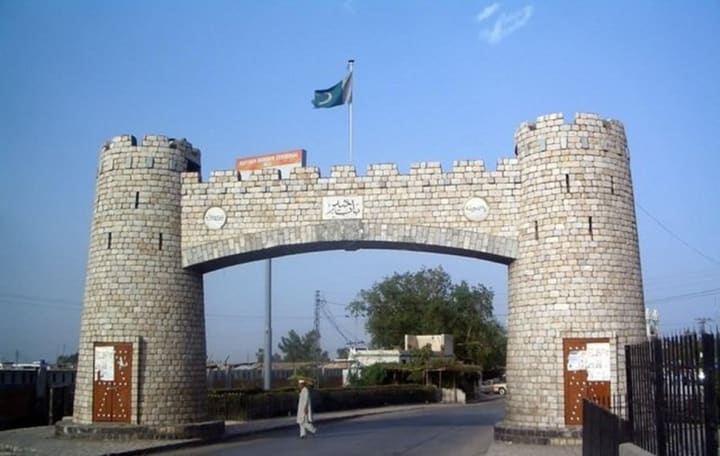
Khyber Pakhtunkhwa, historically known as the North-West Frontier Province, has been a gateway for invaders and travelers due to the Khyber Pass connecting South and Central Asia.
Historical Highlights:
• Ancient Era: Part of the Gandhara Civilization — home to the Buddhist university of Taxila.
• Medieval Era: Influenced by Afghan, Persian, and Mughal empires.
• Modern Era: Played a major role in the independence movement and continues to be vital in national defense.
Cultural Identity:
KPK’s culture is rooted in Pashto traditions, tribal codes, and hospitality. Music, traditional dances like Attan, and cuisine such as Chapli Kebab are integral to its identity.
________________________________________
⛰️ Balochistan: The Land of Mountains and Minerals
Capital: Quetta
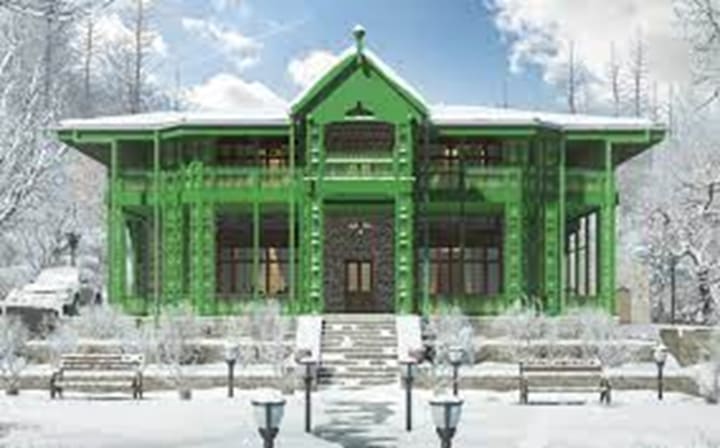
Balochistan is Pakistan’s largest province by area and is rich in natural resources and history. Archaeological findings show human settlements dating back thousands of years.
Historical Highlights:
• Ancient Era: Linked to the Mehrgarh Civilization, one of the earliest farming communities (7000 BCE).
• Colonial Period: Came under British control in the 19th century.
• Modern Era: Became part of Pakistan in 1948.
Cultural Identity:
Balochistan’s culture is characterized by tribal traditions, Balochi music, embroidery, and poetry. The province is known for its courage, loyalty, and strong sense of independence.
________________________________________
❄️ Gilgit-Baltistan: The Roof of the World
Capital: Gilgit
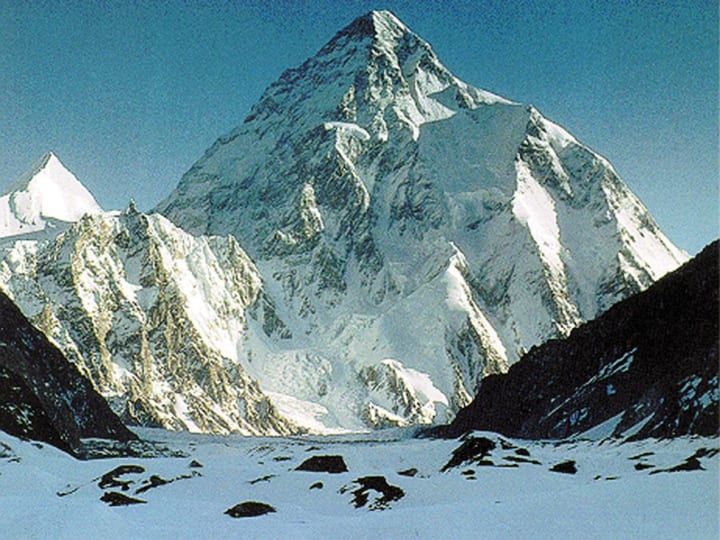
Gilgit-Baltistan lies in the northernmost part of Pakistan, surrounded by some of the world’s highest mountains — including K2 and Nanga Parbat.
Historical Highlights:
• Ancient Era: Known for ancient rock carvings and Buddhist heritage.
• Modern Era: Liberated from Dogra rule in 1947 and acceded to Pakistan.
• Today: A strategic region with breathtaking beauty and cultural diversity.
Cultural Identity:
The people of Gilgit-Baltistan are known for their hospitality and unique languages like Shina, Balti, and Burushaski. The region’s mountain festivals, handicrafts, and music reflect harmony between man and nature.
________________________________________
🌍 Azad Jammu and Kashmir (AJK): The Valley of Freedom
Capital: Muzaffarabad
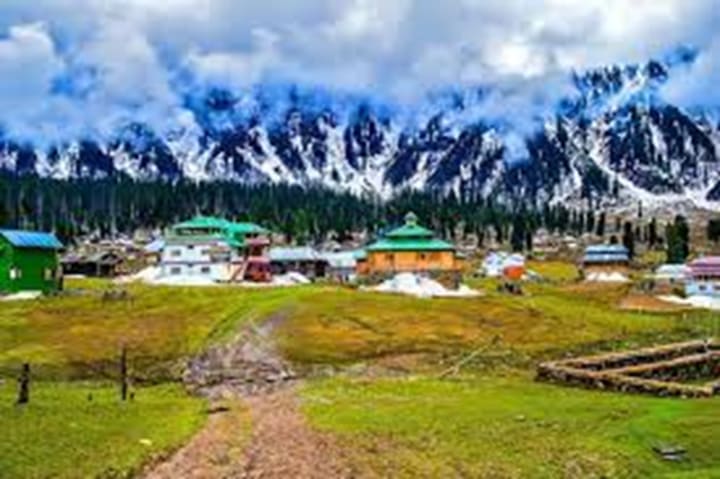
Azad Jammu and Kashmir (AJK) is a self-governing territory administered by Pakistan. Its lush valleys and scenic landscapes are matched by a proud history of resistance and faith.
Historical Highlights:
• Pre-Partition: Part of the princely state of Jammu and Kashmir.
• 1947: Freed itself during the first Indo-Pak war and aligned with Pakistan.
• Today: AJK remains central to the Kashmir dispute but is known for its beauty and cultural richness.
Cultural Identity:
Kashmiri culture blends Persian, Central Asian, and South Asian influences. Its music, dress, and cuisine — like Kashmiri tea and Pulao — showcase its vibrant traditions.
________________________________________
Conclusion
From the ancient ruins of Mehrgarh and Mohenjo-Daro to the freedom struggles of Punjab and Sindh, every province of Pakistan contributes to the nation’s powerful story. Together, these regions form the heart and soul of Pakistan’s identity — diverse in culture yet united in spirit.
About the Creator
iftikhar habib
✨ Welcome to My World of Stories ✨
Step into a place where every page holds a new adventure, a hidden truth, or a spark of emotion. Whether you're looking to laugh, dream, reflect, or escape, my stories are written to connect with your
Keep reading
More stories from iftikhar habib and writers in History and other communities.
Savoy Hotel – Mussoorie: The Colonial Luxury Hotel Where an Unsolved Murder Still Walks the Corridors
The First Night: Beauty Wrapped in Silence Mussoorie looks peaceful from a distance. Pine trees sway gently, clouds roll like slow-moving waves, and the hill air smells of rain and old earth. But as evening falls, the silence becomes heavier—almost watchful.
By Gaurav Gupta3 days ago in History
Is NATO Facing Its Biggest Crisis Yet?
Is NATO Facing Its Biggest Crisis Yet? For more than seventy years, NATO has been one of the strongest military alliances in the world. Formed after World War II, it was designed to protect its members through collective defense. An attack on one was considered an attack on all. For decades, this principle helped maintain stability in Europe and beyond. But today, NATO is facing one of the most challenging moments in its history.
By Wings of Time 7 days ago in History
Silver Screen Magic with Mae West
American actress and singer Mae West became a popular film actress during the Great Depression. She started entertaining in vaudeville, then performed on Broadway, and finally went to Hollywood. She signed up with Paramount Pictures and made her debut in the 1932 film “Night After Night.” She also starred in musicals, comedies, and crime dramas. The American Film Institute named her one of the best classic Hollywood actresses.
By Rasma Raisters6 days ago in Geeks



Comments
There are no comments for this story
Be the first to respond and start the conversation.