
The Hiri Trade in Papua New Guinea
Learn about the way people traded in Papua New Guinea
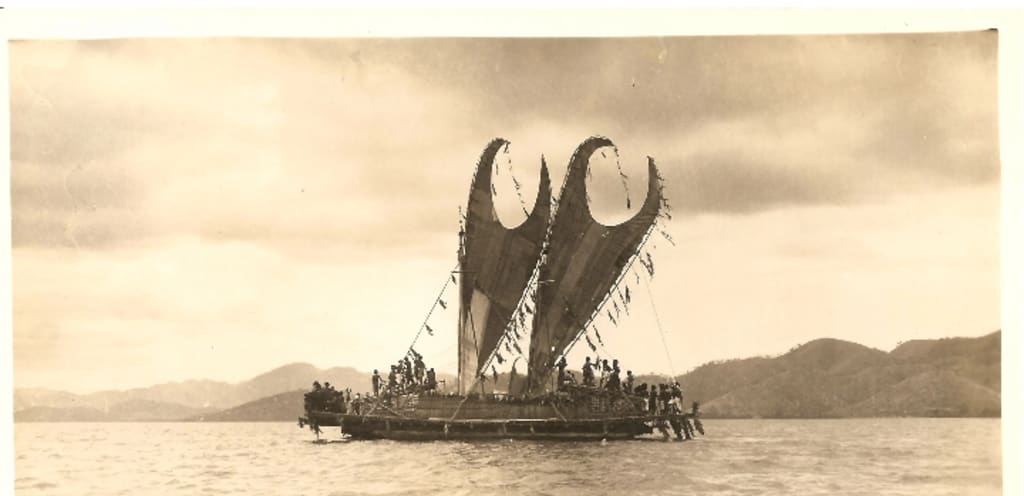
Trade System in Port Moresby, Papua New Guinea
Papua New Guinea (PNG) has a rich history of traditional trade systems, which were integral to the lives and culture of its people long before European contact. In particular, Port Moresby, the capital of PNG, was historically a bustling center for trade, driven by the Motu-Koita people who developed a unique trading system known as the hiri trade. This ancient practice played a crucial role in fostering social ties, spreading goods, and connecting various communities along the coastlines of New Guinea and its offshore islands.
The Hiri Trade System
The hiri trade was a highly organized and ceremonial trading expedition carried out by the Motu people from the Port Moresby area. The Motu were primarily fishermen and potters who relied on maritime skills to navigate along the southern coast of Papua New Guinea. Due to the dry and arid climate in the Port Moresby region, the Motu faced limited agricultural output. As a result, they lacked resources like sago and other foodstuffs that were abundant in the wetter Gulf Province to the west.
To address this, the Motu people began making annual voyages across the Gulf of Papua in large, intricately constructed canoes known as lakatoi. These canoes, which could be over 20 meters long, were made from logs bound together and equipped with triangular sails. These journeys would often involve several days of travel in sometimes treacherous seas. To undertake these journeys, the Motu developed navigational expertise and carefully planned logistics to ensure a safe and productive expedition.
The Trade Process
The primary goods traded by the Motu were pottery items, which were highly valued along the coast and used in daily life for cooking and storage. Motu pots were crafted through traditional techniques, using clay sourced from specific areas around Port Moresby. These pots were both practical and symbolic, reflecting the artisanship and culture of the Motu people.
In exchange for their pottery, the Motu traders obtained sago, a starchy food derived from the sago palm, which was a staple for the Gulf Province people. They also traded for other essential goods like areca nuts, fish, and decorative items. This trade was reciprocal; while the Motu received food resources, the Gulf people gained valuable pottery that they could not produce themselves.
Once the Motu traders arrived at their destinations, they participated in a well-established bartering system. There was often a ceremonial aspect to the trading, with elders and clan leaders facilitating exchanges and ensuring fair trade practices. Relationships forged through the hiri trade helped prevent conflict, as communities that traded together developed social ties and mutual respect.
Socio-Cultural Significance
The hiri trade was more than just an economic activity; it was a cultural institution embedded in the Motu-Koita society. The voyages were accompanied by rituals and traditions, including prayer and sacrifice, to ensure a successful journey and safe return. They were also a rite of passage for young Motu men, marking their transition into adulthood through participation in these risky and challenging expeditions.
Each year, the hiri expeditions became a community-wide event, creating a sense of pride and shared identity among the Motu-Koita people. The arrival of the lakatoi canoes upon their return was celebrated with dances, feasting, and storytelling, strengthening communal bonds and celebrating the endurance and bravery of the voyagers.
Decline and Legacy
The hiri trade continued until the early 20th century when colonial influences, modern transportation, and the introduction of currency and new economic structures diminished its role. However, the legacy of the hiri trade remains a vital part of the cultural heritage in Port Moresby and PNG at large. Today, the Hiri Moale Festival commemorates this historic trade, celebrated with traditional dances, canoe races, and a showcase of Motu-Koita arts and crafts.
This annual festival is not only a celebration of history but also a means of preserving and educating new generations about the significance of traditional trade systems. By honoring the hiri trade, Papua New Guineans remember the ingenuity, resilience, and skill of their ancestors who forged connections and sustained their communities through resourceful trade practices.
---
Through the hiri trade, Port Moresby was more than a point of commerce—it became a hub of cultural exchange and a testament to the adaptability and ingenuity of the Motu-Koita people. This ancient trade system highlights the interconnectedness of societies and the vital role of exchange in sustaining life and culture in Papua New Guinea.
About the Creator
Grace Guise
i love creating content, i love writing and passionate about change, the world, the earth, the people and many things about life that is just magnificent. i love being alive, i love to breath the air and natural taste of water.
Keep reading
More stories from Grace Guise and writers in History and other communities.
The Raggiana Bird of Paradise
Papua New Guinea’s Bird of Paradise is a symbol of extraordinary beauty, cultural significance, and ecological value. Known for its vibrant colors, intricate plumage, and elaborate mating dances, the Bird of Paradise has captivated scientists, artists, and locals alike. These birds, with around 40 species mainly found in Papua New Guinea, have deeply influenced the nation’s traditions, spiritual beliefs, and conservation efforts, making them an essential element of the region’s identity.
By Grace Guiseabout a year ago in History
World War I
The morning fog lay thick over the trenches of northern France, clinging to the earth as if it too feared what was about to happen. Private Thomas Hale pulled his coat tighter around himself, though it did little to stop the cold from seeping into his bones. He had been in the trenches for six months, yet the damp smell of mud, smoke, and fear still felt unfamiliar, like a nightmare he could not wake from.
By Maavia tahir4 days ago in History
Chicago Hospital Held Newborn Baby for 8 Months Over an Unpaid Medical Bill
Debts were handled much differently in the 19th and early 20th century. Back then, people who accrued debt had more to fear than letters and calls from collection agencies the same way we do today, especially if they owed a hospital or doctor money.
By Criminal Matters5 days ago in History


Comments
There are no comments for this story
Be the first to respond and start the conversation.