
The Gold of the Inca Empire: Sacred Wealth and the Greatest Lost Treasure of the Andes
The Inca Empire, known as Tawantinsuyu, was the largest and most powerful civilization in pre-Columbian America. Stretching across modern-day Peru, Ecuador, Bolivia, Chile, and parts of Colombia and Argentina, the empire astonished Spanish conquistadors not only with its vast territory and advanced administration but also with its extraordinary wealth—especially gold. Unlike European societies, the Incas did not value gold as currency. Instead, gold held deep religious, political, and cultural significance, making its disappearance one of the greatest treasure mysteries in world history.

Gold as a Sacred Substance
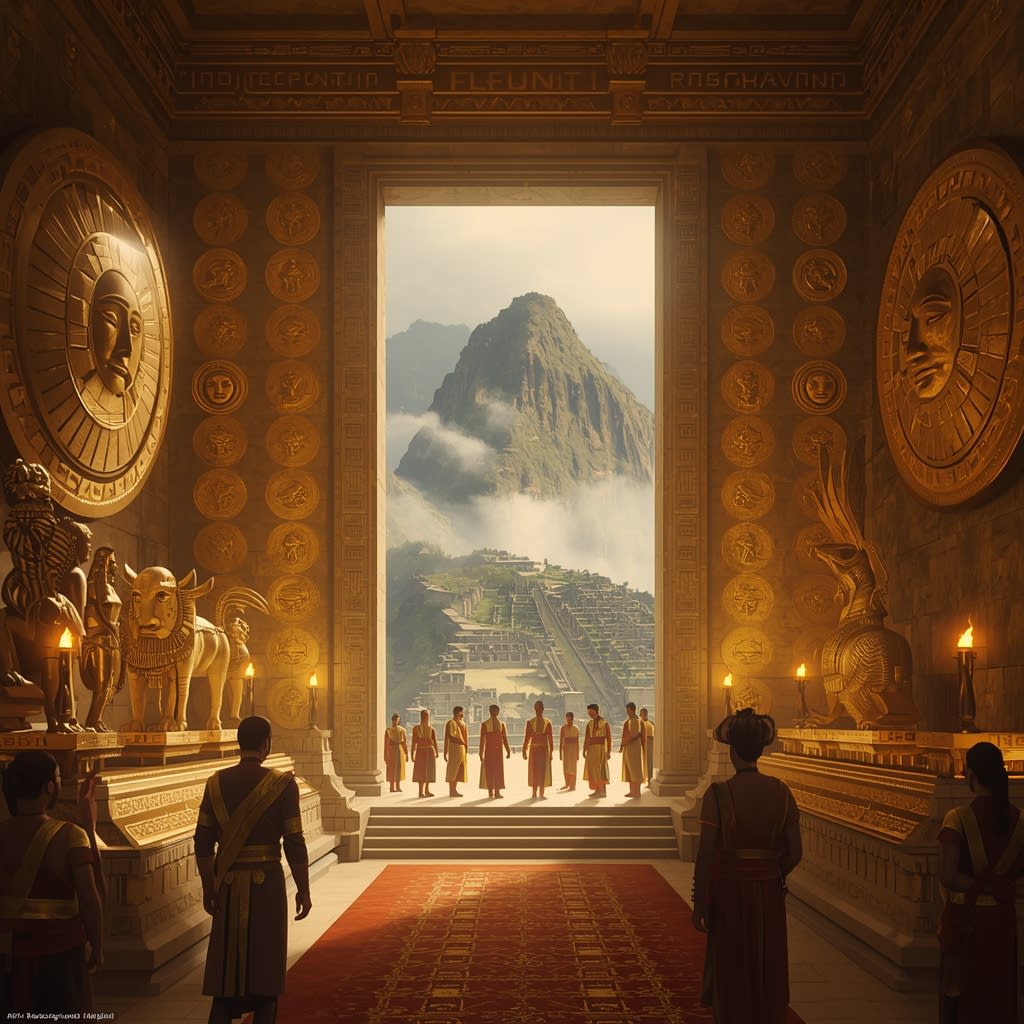
For the Incas, gold was not mere metal; it was sacred. They believed gold was the “sweat of Inti,” the Sun God, the most important deity in the Inca pantheon. Silver was considered the “tears of Mama Quilla,” the Moon Goddess. Because of this belief, gold was reserved almost exclusively for religious ceremonies, royal decoration, and offerings to the gods.
Common people rarely possessed gold. It belonged to the gods and the emperor, known as the Sapa Inca, who was believed to be the direct descendant of the Sun God. Wearing gold was a symbol of divine authority, not economic power.
Sources of Inca Gold
The Andes region was naturally rich in gold deposits. Inca miners extracted gold from riverbeds and mountain veins using surprisingly efficient methods, even without iron tools or wheeled transport. They used stone tools, wooden implements, and water channels to separate gold from sediment.
Unlike Europe, the Incas did not mint coins. Gold was shaped into ornamental and ceremonial objects, including:
Sun discs
Masks and crowns
Jewelry such as necklaces and ear spools
Life-sized statues of humans, animals, and plants
Ritual vessels and weapons
These objects were masterpieces of craftsmanship, showcasing advanced metalworking techniques such as alloying, casting, hammering, and polishing.
The Golden Temples of the Inca
The most famous center of Inca gold was the Coricancha, or Temple of the Sun, in Cusco, the imperial capital. Spanish chroniclers described its walls as being covered with thick sheets of gold, reflecting sunlight so intensely that it appeared to glow.
Inside the temple were golden representations of cornfields, animals, and priests—symbolizing abundance and harmony between humans and nature. Other temples across the empire also housed vast quantities of gold, stored as offerings to Inti.

The Spanish Conquest and the Ransom of Atahualpa
In 1532, Spanish conquistador Francisco Pizarro captured the Inca emperor Atahualpa. To secure his release, Atahualpa promised to fill a large room once with gold and twice with silver—a ransom unparalleled in history.
Inca officials collected gold from across the empire. Sacred objects were stripped from temples, melted down, and transported to Cajamarca. The ransom was completed, yet Atahualpa was executed anyway. This betrayal shattered Inca trust and accelerated resistance efforts.
The Disappearance of the Greatest Treasure
According to legend, when news of Atahualpa’s execution reached the gold convoy still en route, the carriers hid the remaining treasure to prevent it from falling into Spanish hands. This hidden gold—believed to be far greater than what the Spaniards seized—has never been recovered.
Possible hiding places include:
The Llanganates Mountains of Ecuador
Secret cave systems in the Andes
Remote lakes and underground tunnels
Lost Inca cities beyond Machu Picchu
Numerous expeditions over centuries have failed, often reporting strange terrain, deadly weather, and vanishing paths.
The Fate of the Captured Gold
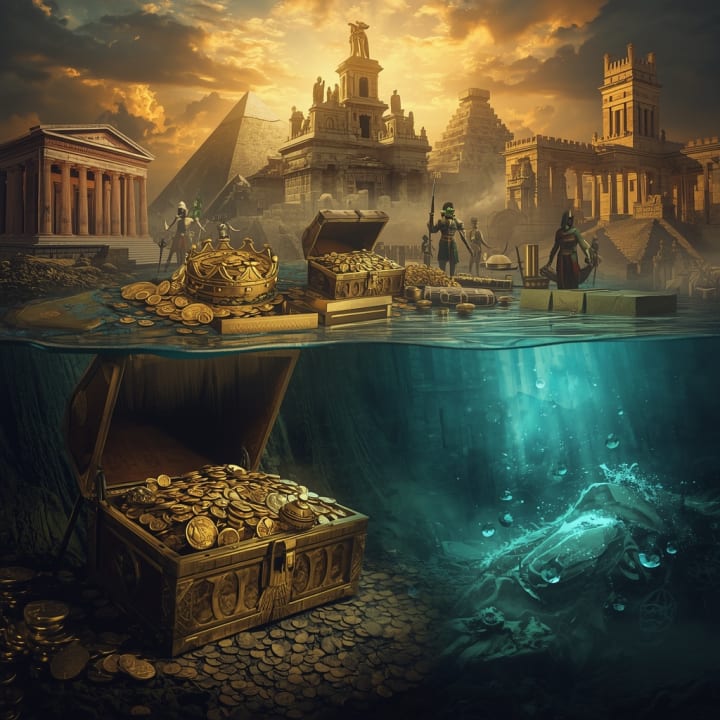
The gold that did reach the Spanish was melted into bars and shipped to Europe. Priceless artworks were destroyed, erasing irreplaceable cultural history. What survived was transformed into wealth that fueled the Spanish Empire’s rise.
Historians estimate that only a fraction of the Inca Empire’s gold was ever captured. The majority either remains hidden or was deliberately destroyed to prevent desecration.
Cultural Loss Beyond Wealth
The loss of Inca gold represents more than lost riches. Each artifact embodied religious beliefs, artistic mastery, and historical memory. Melting them erased stories that could never be recovered.
Modern archaeologists now prioritize preservation and ethical recovery, recognizing that cultural heritage outweighs monetary value.
Why the Mystery Endures
The Gold of the Inca continues to captivate historians, adventurers, and treasure hunters because it lies at the intersection of faith, betrayal, and resistance. It symbolizes a civilization that chose to hide its sacred wealth rather than surrender it to conquerors.
Despite satellites, drones, and advanced mapping technology, the Andes still guard their secrets. Whether the treasure remains buried or has been lost forever, the legend of Inca gold endures as a powerful reminder of the cost of conquest.
Conclusion
The Gold of the Inca Empire was never just about wealth. It was divine, symbolic, and deeply spiritual. Its disappearance marks one of history’s greatest cultural tragedies—and one of its greatest mysteries. Somewhere beneath the mountains of South America, the Sun God’s sweat may still lie hidden, waiting not for fortune seekers, but for understanding and respect.
About the Creator
Say the truth
"Say the Truth: Explain Everything in the World" is your trusted source for uncovering facts and exploring the wonders of history, science, technology, and beyond. We simplify complex ideas and reveal truths to inspire curiosity .
Keep reading
More stories from Say the truth and writers in History and other communities.
The Greatest Lost Treasures of History: A Deeper Exploration
1. The Gold of the Inca Empire The Inca Empire, which flourished in South America from the 13th to the 16th century, was one of the richest civilizations in the ancient world. For the Incas, gold was not merely wealth—it was sacred. They believed gold to be the “sweat of the Sun God Inti”, while silver was the “tears of the Moon.”
By Say the truth about 8 hours ago in History
The Epic of 1917
Before discussing the cannons of Mărăști, one must understand the deplorable state of the country at the beginning of 1917. Following the disastrous campaign of 1916, two-thirds of Romanian territory, including Bucharest, was under German and Austro-Hungarian occupation. The Government, the Royal Family, and the remnants of the army had retreated to Moldavia.Moldavia had become a vast refugee camp. Famine, the biting cold, and typhus were ravaging the population, killing more people than the enemy's bullets. However, amidst this apocalyptic landscape, a miracle occurred: the reorganization of the army. Under the guidance of the French Military Mission led by General Henri Berthelot, the Romanian soldier was rearmed, trained in modern warfare tactics, and, most importantly, restored to his dignity. King Ferdinand’s promises regarding land reform and universal suffrage transformed peasants into soldiers ready for the ultimate sacrifice.
By alin butuc4 days ago in History
Drones, Artificial Intelligence, and the Future of War
Drones, Artificial Intelligence, and the Future of War War is no longer fought only with soldiers, tanks, and fighter jets. Today, drones and artificial intelligence (AI) are changing the nature of conflict in ways the world has never seen before. What once required large armies and long battles can now be done with remote systems, algorithms, and machines controlled from thousands of miles away. This shift is redefining power, security, and the risks of future wars.
By Wings of Time about 14 hours ago in History
Whiskey At Dusk
Guess the whiskey was more important to you in the end, wasn’t it? It was more than the well-being of your friends; more vital than showing up to the places you promised you would and could come to; more critical of a matter than fulfilling your damn responsibilities and getting the press off your back.
By Snarky Lisa4 days ago in Humans


Comments
There are no comments for this story
Be the first to respond and start the conversation.