
The Gardener of Saint-Antoine
How a forgotten Paris garden taught me that hope can survive even the longest winters

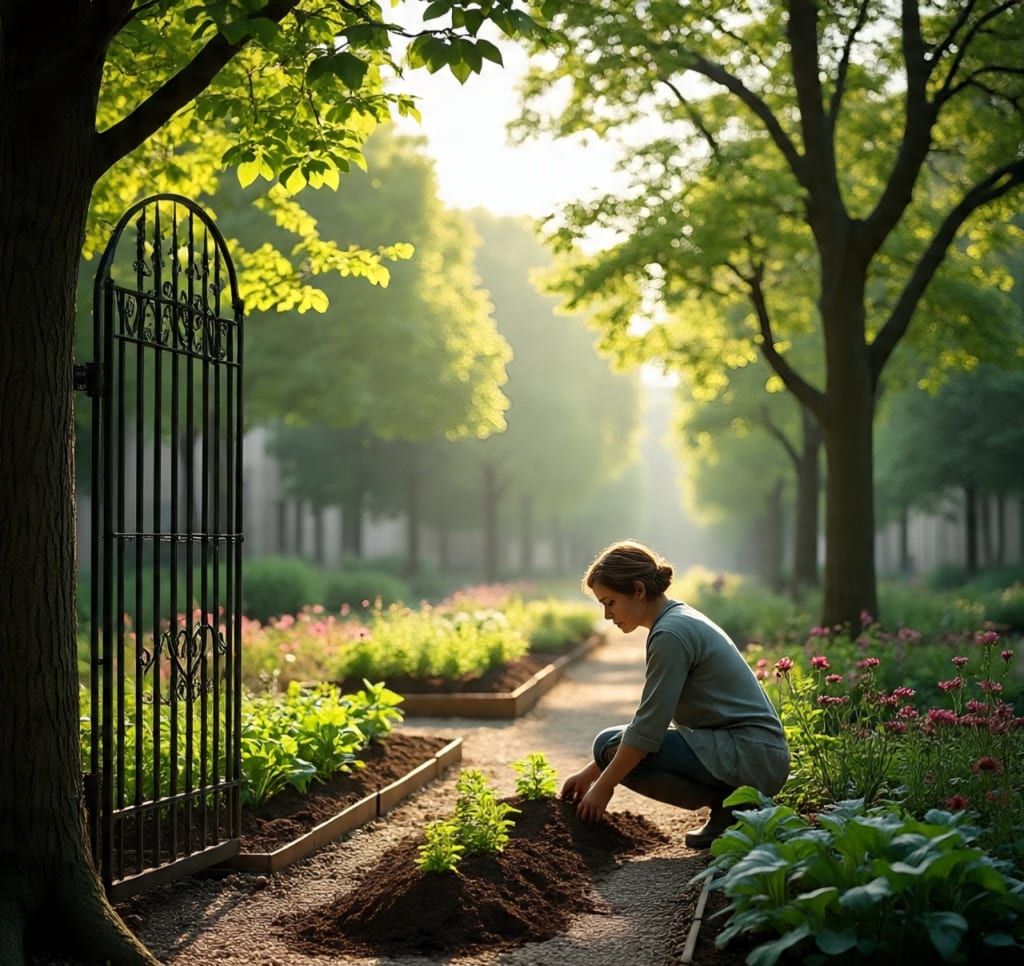
The garden on Rue Saint-Antoine did not look like something you inherited.
It looked like something you apologized for.
I stood at the rusted iron gate on my first morning as its owner, keys heavy in my palm, wondering how grief could leave behind so much responsibility. My aunt had called it a gift in her will. A place of continuity. A space worth saving. I remember thinking she must have been kinder than honest.
Paris was still healing in those years. The war had ended, but it lingered in the walls, in the way people spoke softly on trams, in how no one lingered too long over joy. The garden reflected that quiet exhaustion. Beds choked with weeds. Fruit trees grown wild and bitter. A bench split clean down the middle as if something heavy had finally given up sitting.
I was not much better.
I came to the garden because I had nowhere else to go. The apartment I shared with memories felt smaller every day. The city was loud with rebuilding, but inside me there was only a kind of static silence. I told myself I would clean the garden, sell it, and leave Paris behind.
On the second afternoon, while clearing a collapsed trellis, my shovel struck something hollow. Not a pipe or stone, but wood. I uncovered a small tin box wrapped in oilcloth, buried deliberately beneath the soil. Inside were letters. Dozens of them. Tied together with faded green twine.
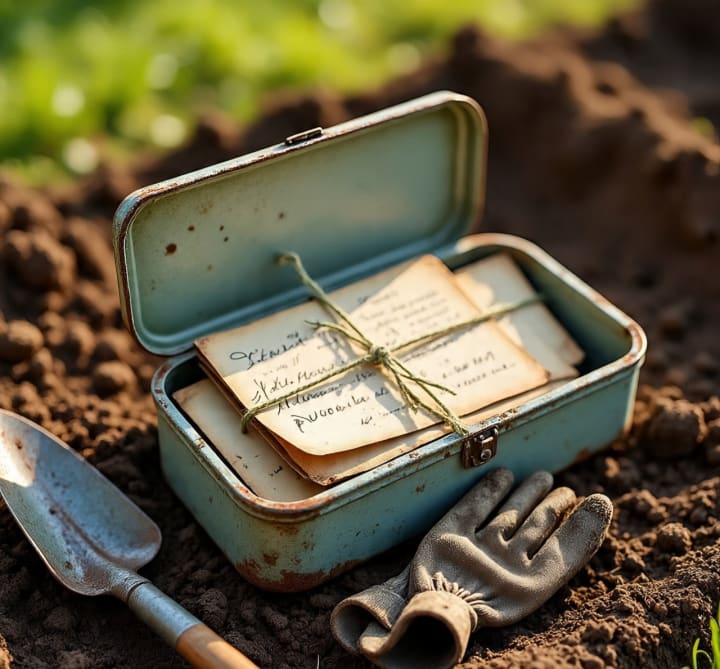
They were written in careful French, dated between 1942 and 1944, signed simply, Madeleine.
The first letter spoke of the garden as refuge. Of soil that forgave clumsy hands. Of nights spent hidden beneath the pear tree while boots passed on the street above. She wrote about pruning roses at dawn so the neighbors would think nothing of her presence. About sleeping with dirt under her nails because it felt safer than clean skin.
I stopped working that day. Sat on the broken bench and read until the light thinned and the city shifted into evening. Madeleine was Jewish. She had been the garden’s caretaker before the war, and during it, she became its secret. The garden hid her. Fed her. Kept her alive in ways no wall or attic could have.
Over the following weeks, I found more. Sketches tucked into shed rafters. Diagrams of planting rotations. Notes written on seed envelopes about patience and timing. One letter said that gardens remember everything, even when people are forced to forget.
That sentence stayed with me.
I returned each day not because I felt strong, but because the garden demanded it. Weeding became ritual. Turning soil felt like listening. I began planting according to Madeleine’s notes, trusting a woman I had never met more than my own instincts. When the first shoots appeared, fragile and stubborn, I cried in a way I hadn’t allowed myself to since the war ended.
Halfway through the spring, a neighbor stopped at the gate. Then another. An elderly man brought compost. A child left wildflower seeds in a jar. The garden began to belong to more than just me. It always had.
One afternoon, while restoring the shed, I found the final letter.
Madeleine wrote that she would be leaving. That liberation was coming, but she would not stay to see it. Too many ghosts. Too many absences. She hoped whoever came next would listen to the soil and not rush it. She wrote that survival was not the same as living, but it was a start.
I folded that letter carefully and placed it back in the tin. Some things are meant to be returned to the earth.
By summer, the garden was no longer apologetic. Tomatoes climbed their stakes. Lavender spilled scent into the street. People lingered. Children laughed. And in the quiet moments, when I watered alone in the early mornings, I felt something unfamiliar but welcome.
Purpose.
Not the loud kind. Not ambition or grand rebuilding. Just the steady knowledge that tending something fragile can also tend you. That hope does not arrive fully formed. It grows. Slowly. Unevenly. Often unseen.
I never sold the garden.
I stayed in Paris. I stayed with the dirt and the letters and the bench I repaired instead of replacing. Some days, I imagine Madeleine watching from somewhere patient and kind. Other days, I know she is here, in every root that refuses to die.
The garden taught me that survival leaves traces. And if you are willing to listen, those traces can teach you how to live again.
About the Creator
LUNA EDITH
Writer, storyteller, and lifelong learner. I share thoughts on life, creativity, and everything in between. Here to connect, inspire, and grow — one story at a time.
Keep reading
More stories from LUNA EDITH and writers in History and other communities.
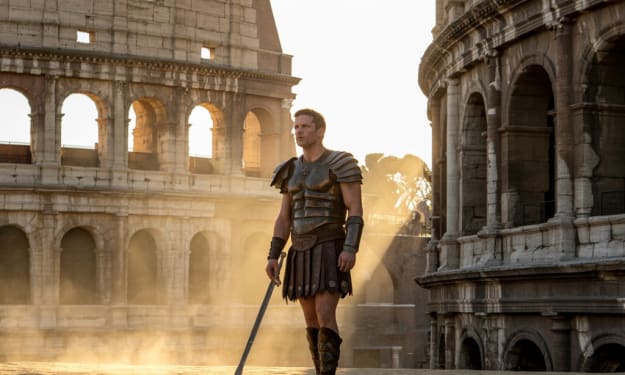
Blood on the Sand
The sun over the Roman Empire had a way of turning everything into gold, even the things that were meant to stay hidden. On most days, the Forum glittered. Market stalls shimmered. Soldiers’ armor flashed as if they carried small pieces of the sun on their backs. But on the days when the Games arrived, the sand inside the Colosseum looked different. It shimmered too—but with something darker.
By LUNA EDITH2 months ago in History
Seven Dials
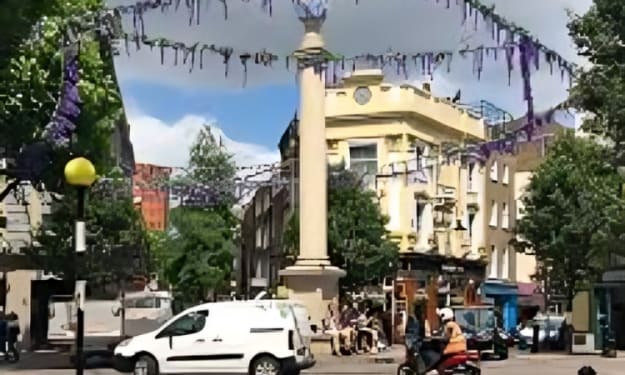
Introduction Seven Dials is a famous and historic area located in London, England. It is found near Covent Garden, one of the busiest and most popular parts of the city. Seven Dials is known for its unique road design, rich history, old buildings, shops, cafés, and lively atmosphere. Today, it is a popular place for tourists and local people who enjoy culture, shopping, and history.
By Farhan Sayed2 days ago in History
Julius Caesar: The Rise and Fall of a Legend
The Rise and Fall of Julius Caesar In the first century BCE, the Roman Republic stood as one of the most powerful states in the ancient world. Its armies conquered vast territories, its laws shaped civilizations, and its Senate governed through a delicate balance of tradition and authority. Into this complex political world was born Gaius Julius Caesar in 100 BCE—a man whose ambition, brilliance, and fate would forever change Roman history.
By The best writer 7 days ago in History


Comments
There are no comments for this story
Be the first to respond and start the conversation.