
The Gallowglass: Ireland’s Forgotten Warrior Elite
Ancient Samurai

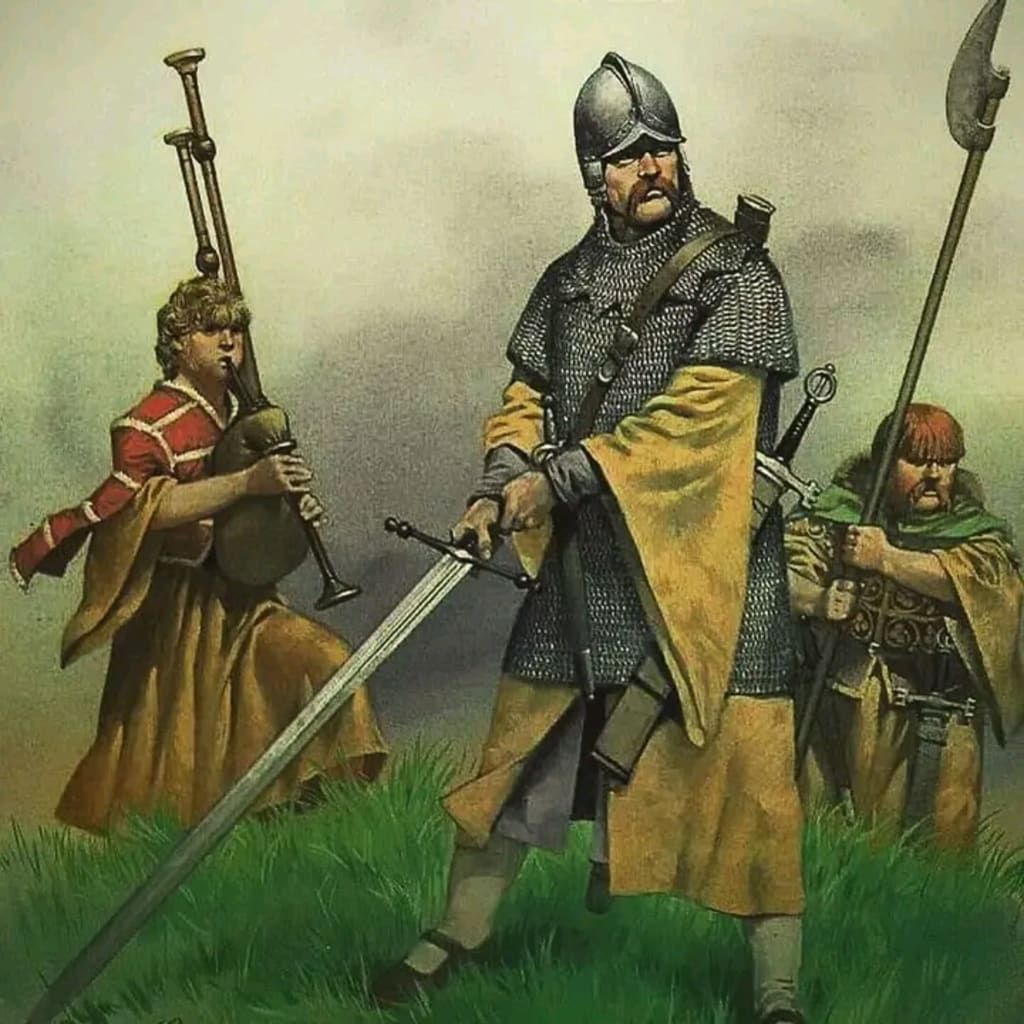
In the annals of medieval Irish history, few figures are as fascinating yet overlooked as the Gallowglass, or Galloglaigh. These elite mercenary warriors, often compared to the samurai of Japan, were a cornerstone of Irish military strategy before the advent of gunpowder. Their story is one of bravery, adaptability, and cultural fusion, intertwining the histories of Ireland and Scotland in a saga of loyalty and warfare.
Origins of the Gallowglass
The Gallowglass were originally members of Gaelic clans from the western coast of Scotland, including Argyll and the Western Isles, regions heavily influenced by Norse settlers. This Norse-Gaelic heritage led to their name, Gall Gaeil, meaning “foreign Gaels.” Despite their Scandinavian roots, the Gallowglass shared a language, culture, and kinship with the Irish, making them a natural fit for service in Ireland.
Their rise to prominence began in the mid-13th century when many Gallowglass warriors lost their lands during the Scottish Wars of Independence. Seeking refuge and opportunity, they migrated to Ireland, where local chieftains welcomed their expertise. In exchange for military service, Irish leaders provided the Gallowglass with land, food, and shelter, integrating them into the Irish feudal system.
The Role of the Gallowglass
The Gallowglass quickly became indispensable in Irish warfare. As heavily armed and disciplined infantry, they served as the backbone of many Irish armies. Their reputation for fearlessness and tactical prowess made them sought-after warriors, not just for defense but also for offensive campaigns.
Each Gallowglass warrior was accompanied by two squires, who managed logistics, maintained weapons, and carried provisions. This arrangement ensured the Gallowglass were always battle-ready, a trait that further cemented their value to Irish chieftains.
A military leader often chose a Gallowglass as his personal aide and bodyguard, entrusting them with his safety during the chaos of battle. This role underscores the deep trust placed in these warriors, who not only fought valiantly but also upheld a code of loyalty and honor akin to that of the samurai.
Weapons and Tactics
The Gallowglass were renowned for their mastery of weapons, particularly the two-handed sparth axe and the claymore, a large double-edged sword. They also carried throwing spears and daggers, equipping them for both close combat and ranged attacks.
Their armor was equally impressive. Gallowglass warriors wore iron helmets and chainmail over heavy, padded jackets, providing robust protection without sacrificing mobility. This gear allowed them to hold their ground in battle, even against formidable opponents.
In terms of organization, the Gallowglass were structured into units of 100 men called Corrughadh, similar to the Roman legions. This disciplined approach to warfare gave them an edge over less organized opponents, reinforcing their reputation as elite soldiers.
Cultural and Historical Impact
The Gallowglass were more than just warriors; they were cultural bridges between Ireland and Scotland. Their presence in Ireland brought a fusion of Norse-Gaelic traditions, enriching the cultural tapestry of medieval Irish society.
Their military contributions, however, were their most enduring legacy. For centuries, the Gallowglass were pivotal in defending Irish territories against invaders, including the English. Their unwavering loyalty and strategic acumen made them invaluable allies to Irish chieftains during a period of constant conflict.
Decline of the Gallowglass
The prominence of the Gallowglass began to wane in the late 16th century with the introduction of gunpowder and modern firearms. Their traditional weaponry and armor, while formidable, were ill-suited to the new era of warfare.
Additionally, political and social changes in Ireland, including increased English influence and the decline of the Gaelic clan system, diminished the role of the Gallowglass. By the 17th century, these once-mighty warriors had largely disappeared from the Irish military landscape, leaving behind only the echoes of their storied past.
Remembering the Gallowglass
Today, the Gallowglass are a forgotten chapter in Ireland’s rich history, overshadowed by other narratives. Yet, their story is one worth remembering. They embody the resilience and adaptability of medieval Ireland, standing as a testament to the enduring bonds between Ireland and Scotland.
The Gallowglass were more than mercenaries; they were protectors, innovators, and cultural icons. Their legacy lives on in the landscapes of Ireland and Scotland, where their tales are whispered in the ruins of castles and the echoes of ancient battlefields.
In rediscovering the Gallowglass, we honor a unique warrior tradition that bridged two nations and left an indelible mark on the history of medieval Europe. Their story reminds us of the complexities of history and the enduring human spirit that drives us to protect and preserve what we hold dear.
About the Creator
Keep reading
More stories from Deji Akomolafe and writers in History and other communities.
The Human Statue of Liberty: A Powerful Symbol of Unity and Patriotism
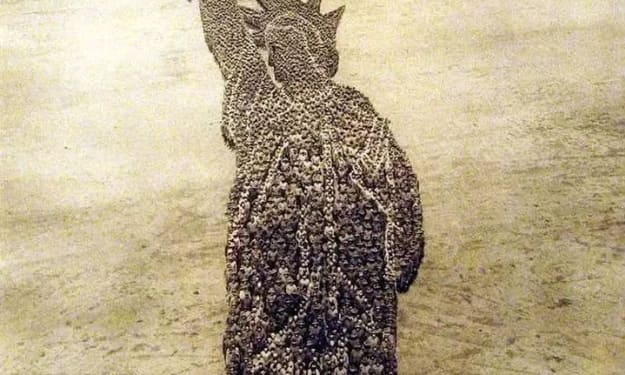
In 1918, amidst the turbulence of World War I, a remarkable display of creativity and patriotism took place at Camp Dodge in Des Moines, Iowa. Over 18,000 soldiers gathered to create a massive, human-shaped rendition of the Statue of Liberty. This awe-inspiring image, captured in a black-and-white photograph, is a testament to the ingenuity, discipline, and unity of the American military during a time of great global conflict.
By Deji Akomolafeabout a year ago in History
Titanic Menu Card Sells for £100,000 at Auction
A rare menu card from the legendary ocean liner RMS Titanic has sold at auction for an astonishing £100,000, highlighting the enduring fascination with one of history’s most famous maritime disasters. The menu, believed to have been from a first-class meal served shortly before the ship’s tragic sinking in 1912, is considered one of the most remarkable surviving artifacts from the doomed voyage.
By Irshad Abbasi a day ago in History



Comments
There are no comments for this story
Be the first to respond and start the conversation.