
“The Flames of Two Tribes”
When pride and vengeance set the land ablaze.
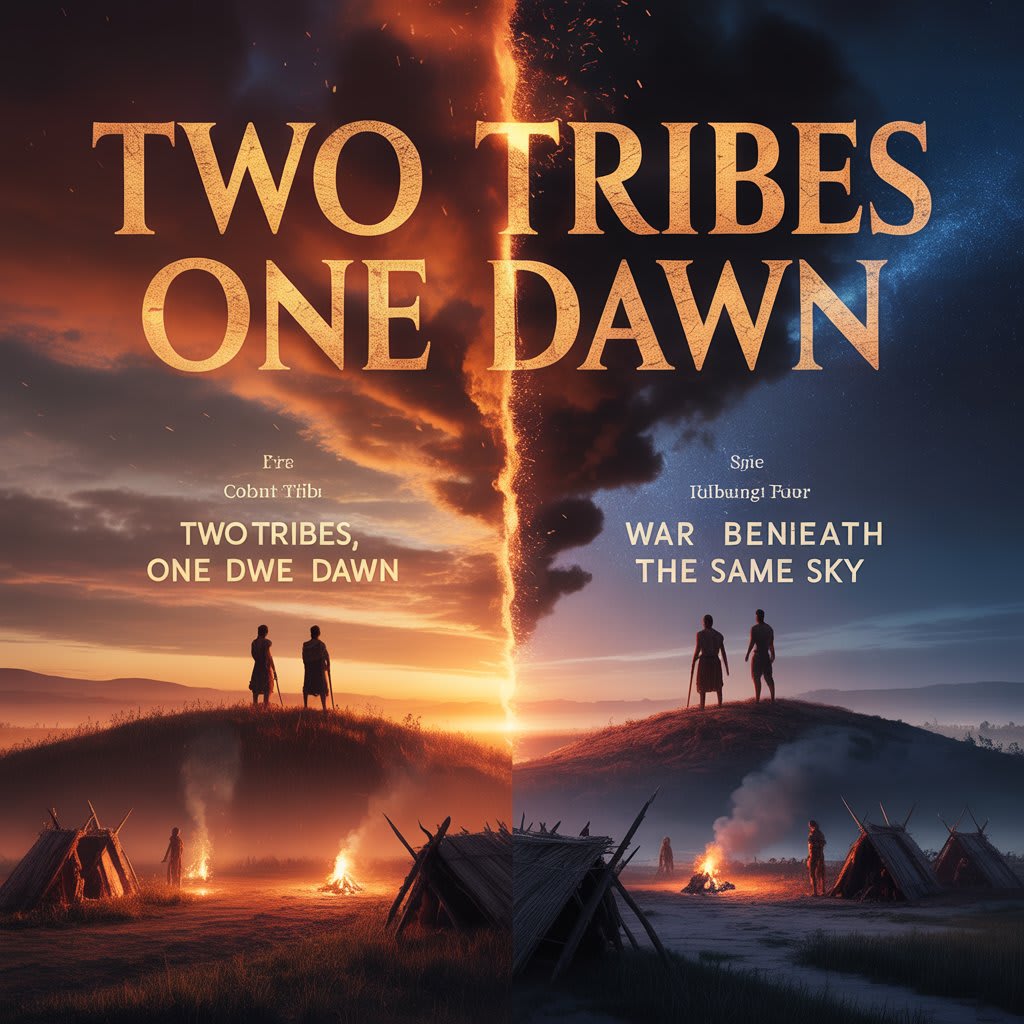
For generations, the mountains of Arden Valley echoed with the war cries of two tribes — the Korrans and the Valens. They shared the same river, the same soil, and even the same stars above, but their hearts were divided by centuries of hatred. No one remembered how their conflict began. Some said it was over stolen land; others whispered it started because of a betrayal between two brothers long forgotten. Whatever the reason, their swords had tasted enough blood to drown the valley in sorrow.
Every spring, when flowers should have filled the fields, smoke did instead — from burning villages and torched crops. The elders prayed to their gods, but even the gods had grown tired of listening.
Among the Korrans lived a young warrior named Rian, known for his courage and restlessness. His father had been killed in a Valen raid years before, and revenge had been his only purpose since. “A Valen’s blood repays a Korran’s loss,” his mother often told him, her voice hardened by grief. Rian believed her. He trained with his sword every day, vowing to one day destroy the Valen tribe completely.
Across the valley, in the Valen village, there lived Lira, daughter of the tribe’s chief. She was different from the other warriors — quiet, thoughtful, and often seen sketching by the river. She hated the war that never seemed to end. “Why must we fight for land that has already seen too much blood?” she once asked her father.
“Because peace with the Korrans is impossible,” he replied. “They would burn our homes if we gave them the chance.”
But Lira didn’t believe that. She had seen Korran women at the river washing clothes, just like her people. She had seen their children play and laugh, just like her younger brothers. They cannot all be monsters, she thought.
One fateful evening, Rian was sent on a scouting mission near the river. The air was heavy with mist, and the only sound was the soft rush of water. He crouched low behind a bush, watching for Valen patrols. That’s when he heard a soft tune — a song, gentle and sorrowful, floating through the air. He followed the sound and saw her: a young Valen woman sitting on a rock, sketching the moon’s reflection in the water. Her hair glimmered like silver under the night sky.
For a moment, Rian forgot his anger. He stepped forward without thinking, snapping a twig beneath his foot. Lira turned sharply, eyes wide. Their gazes met — two enemies, alone under the moon. Her hand went for the dagger at her belt, but Rian raised his palms.
“I mean no harm,” he said.
“Then why are you here, Korran?” she asked sharply.
“I could ask you the same.”
They stood in silence for a long time, the river murmuring between them. Finally, Lira said softly, “You’re not like the others.”
“And you’re not like the stories,” Rian replied.
That night, they parted in silence — but something had changed. The next few weeks, they met again by the river, always in secret. They spoke of their tribes, of the lives lost, of dreams that had no room in a world filled with hate. Rian confessed that he no longer wanted revenge. Lira admitted that she no longer believed peace was impossible.
But fate rarely spares those who dream of peace.
One night, a Korran scout followed Rian and discovered his meetings. By morning, the tribe’s council had gathered. They called him a traitor. “You would rather talk to a Valen than avenge your father?” the elder spat. “Your blood is weak.” Rian tried to explain that peace was possible, that the Valens were not monsters — but no one listened. They locked him in the supply hut, waiting for dawn to decide his punishment.
That same night, a Valen hunter spotted Lira leaving her village and followed her. When he saw her meet Rian at the river, he ran back and told her father. The chief’s heart broke — his own daughter, consorting with an enemy. “She has brought shame upon us,” he declared. “We march at dawn. The Korrans will pay for their deception.”
As the first light touched the valley, war drums thundered once again. Rian escaped his prison when the guards left for battle, running toward the river where he knew the bloodshed would begin. Lira did the same, trying desperately to reach her father before he gave the order to attack.
They met in the middle — between the two advancing armies. Rian stood before his people, sword in hand, and shouted, “Stop! Enough blood has been spilled!”
Lira echoed him, crying out to her tribe, “This war ends today, or there will be no one left to fight for!”
But their voices were drowned in the roar of anger. Arrows flew. One struck the ground between them. Then another. In a heartbeat, chaos erupted. Rian grabbed Lira’s hand and pulled her behind a fallen tree as warriors clashed all around them.
Through the dust and screams, Rian saw his own chief draw a spear and aim it toward Lira’s father. Without thinking, Rian ran and took the blow himself. The spear struck his side, and he fell. The battle froze for a moment as both tribes saw what had happened — a Korran warrior dying to protect a Valen chief.
Lira rushed to Rian’s side, tears streaming down her face. “Why would you do this?” she whispered.
“Because… if someone must bleed to end this war… let it be me,” he gasped.
The valley fell silent. The Korran chief dropped his weapon. The Valen warriors lowered their bows. For the first time in living memory, no one moved to fight. They saw the truth in that moment — that their hatred had cost too much.
Rian died with the sunrise, and the two tribes buried him by the river where he and Lira first met. From that day on, the river was called The River of Dawn, for it marked the beginning of peace.
Years later, the Korrans and Valens built a bridge over it — and carved into its stone were these words:
“Two Tribes, One Dawn — and a love that ended a war.”
About the Creator
Keep reading
More stories from Rafi Ullah and writers in History and other communities.
The Woman Who Forgot Her Own Name
The first thing she always noticed was the light. Every morning, it spilled through the thin curtains in her small bedroom, painting golden streaks on the walls. Every morning, she blinked awake, stretched her fingers, and whispered a quiet good morning—to no one in particular. Every morning, she remembered everything: the way her coffee tasted, the street she lived on, her favorite song, even her neighbor’s cat’s name—Buttons.
By Rafi Ullah4 months ago in Horror
Reform or Replace? The Future of Global Governance
Reform or Replace? The Future of Global Governance Global governance stands at a critical crossroads. Institutions created after World War II—especially the United Nations—were designed to prevent another global catastrophe. For decades, they provided platforms for dialogue, coordination, and conflict management. But today, many people question whether these institutions still work as intended. The growing debate is no longer just about reform. It is about whether global governance should be repaired or replaced entirely.
By Wings of Time 6 days ago in History
Wealth Reserves and Economic Power of the Madurai Rulers during the First Sangam Age
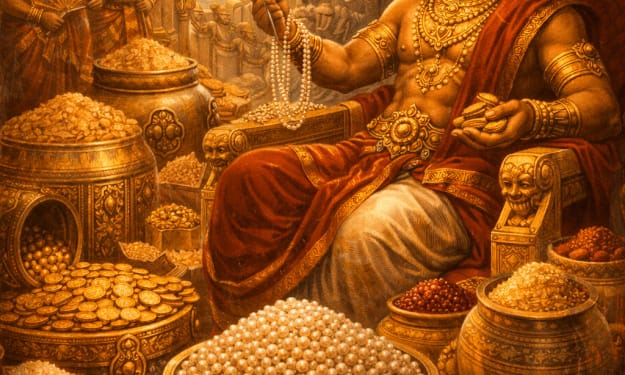
The Madurai rulers of the Sangam Age possessed immense wealth derived from trade, agriculture, tribute, and natural resources, making them among the richest monarchs of ancient India.
By Say the truth 2 days ago in History


Comments
There are no comments for this story
Be the first to respond and start the conversation.