
The Dynamic Landscape Of Politics
challenges and opportunities

Introduction:
Politics, an essential aspect of human civilization, encompasses the art and science of governance, power distribution, and decision-making processes. It influences the way societies are structured, how resources are allocated, and how policies are formulated and implemented. As the world evolves, politics continues to play a crucial role in shaping our collective future. This essay explores the complex and ever-changing nature of politics, highlighting its challenges and opportunities in the contemporary global landscape.
Political Challenges:
1.1. Polarization and Divisiveness:
One of the most significant challenges facing politics today is the increasing polarization and divisiveness among different ideological, social, and cultural groups. These divisions hinder constructive dialogue, impede compromise, and perpetuate social fragmentation. The rise of populist movements and the amplification of echo chambers on social media platforms further exacerbate these divisions.
1.2. Globalization and Interdependence:
In an interconnected world, political challenges transcend national borders. Issues such as climate change, terrorism, migration, and trade require collaborative approaches. However, conflicting national interests and protectionist policies often impede effective international cooperation. Balancing national sovereignty with global cooperation remains a delicate task for policymakers.
1.3. Corruption and Lack of Transparency:
Corruption and lack of transparency erode public trust in political institutions. When politicians prioritize personal gain over the common good, citizens become disillusioned and democratic processes are compromised. Addressing these issues requires robust accountability mechanisms, independent judiciaries, and strong civil society engagement.
1.4. Economic Inequality:
Persistent economic inequality poses a fundamental challenge to politics. Disparities in income, wealth, and opportunities can fuel social unrest, undermine social cohesion, and create an uneven playing field for political participation. Governments must address inequality through progressive policies, equitable resource distribution, and inclusive growth strategies.
Political Opportunities:
2.1. Technological Advancements:
Rapid advancements in technology present unprecedented opportunities for political systems. E-government initiatives, digital platforms, and data analytics can enhance transparency, citizen engagement, and policy effectiveness. Blockchain technology, for instance, holds the potential to revolutionize voting systems and ensure the integrity of electoral processes.
2.2. Grassroots Movements and Activism:
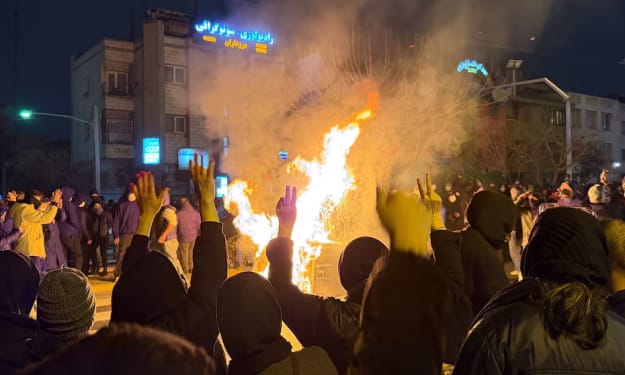
In recent years, grassroots movements and activism have emerged as powerful catalysts for political change. Social media platforms have provided a platform for marginalized voices, enabling them to mobilize and demand accountability. From the Arab Spring to the climate movement, these movements demonstrate the potential of citizen-driven political action.
2.3. International Collaboration:
Despite challenges, globalization also offers opportunities for international collaboration. Multilateral organizations and forums provide platforms for countries to address shared challenges collectively. Initiatives like the Paris Agreement on climate change and the Sustainable Development Goals exemplify the potential of global cooperation to tackle pressing issues.
2.4. Democratic Innovations:
Experimentation with democratic innovations can revitalize political systems. Participatory budgeting, citizens' assemblies, and deliberative democracy models empower citizens to be active participants in decision-making processes. By involving diverse perspectives, these innovations can foster consensus-building and enhance democratic legitimacy.
Conclusion:
Politics remains a dynamic and multifaceted realm that shapes the course of societies. While challenges such as polarization, globalization, corruption, and inequality persist, there are also opportunities arising from technological advancements, grassroots movements, international collaboration, and democratic innovations. Navigating the complex landscape of politics requires visionary leadership, strong institutions, and active citizen participation. By addressing challenges and seizing opportunities, we can build more inclusive, responsive, and sustainablePolitics faces numerous challenges that shape the way societies are governed and decisions are made. These challenges can vary across different regions and time periods, but several common issues persistently affect the political landscape. Here are some of the key challenges in politics:
Polarization and Divisiveness: One of the most significant challenges in politics today is the increasing polarization and divisiveness among the population. People often align themselves with extreme ideologies, leading to heightened hostility, gridlock, and difficulty in finding common ground for policy solutions. This divide can hinder progress and prevent effective governance.
Trust and Transparency: Many citizens have grown skeptical of politicians and the political system. Trust in governments and political institutions has declined, with people questioning the motives and integrity of those in power. Lack of transparency and accountability further erode public trust, making it harder to implement policies and initiatives.
Political Corruption: Corruption remains a persistent challenge in politics. The misuse of public funds, bribery, and unethical practices undermine the credibility of governments, hinder economic development, and breed public cynicism. Combatting corruption requires strong institutions, robust legal frameworks, and a commitment to transparency and accountability.
Economic Inequality: The growing gap between the rich and the poor poses a significant political challenge. Widening economic inequality can lead to social unrest, political instability, and an erosion of social cohesion. Addressing this issue requires policies that promote equitable distribution of resources, access to education and healthcare, and opportunities for economic mobility.
Global Challenges: Politics is increasingly confronted with global challenges that transcend national borders, such as climate change, terrorism, migration, and pandemics. These issues require international cooperation and collective action, but differing national interests, geopolitical rivalries, and protectionism can hinder effective global governance.
Technological Advancements: Rapid technological advancements present both opportunities and challenges for politics. The rise of social media and digital platforms has revolutionized communication and activism, but it has also facilitated the spread of misinformation, manipulation, and cyberattacks. Policymakers must navigate this complex digital landscape while ensuring privacy, security, and fairness in the digital realm.
Populism and Anti-establishment Movements: Populist movements have gained traction in various parts of the world, fueled by grievances against the political establishment and a sense of marginalization. Populist leaders often exploit public discontent and employ divisive rhetoric, challenging democratic norms and institutions. Addressing the concerns of marginalized populations and reinforcing democratic values are crucial in countering these movements.
Demographic Shifts: Changing demographics, including population growth, aging societies, and increasing cultural diversity, present challenges to political systems. Adapting policies to meet the needs and aspirations of different generations and cultural groups is essential to ensure social cohesion and inclusivity.
Addressing these challenges requires visionary leadership, effective governance, and a commitment to democratic principles. It also necessitates an engaged and informed citizenry that actively participates in the political process and demands accountability from its leaders. By recognizing and addressing these challenges, societies can strive for more inclusive, responsive, and effective political systems.
political systems that serve the needs and aspirations of diverse populations around the globe.
About the Creator
Keep reading
More stories from writers in History and other communities.
Savoy Hotel – Mussoorie: The Colonial Luxury Hotel Where an Unsolved Murder Still Walks the Corridors
The First Night: Beauty Wrapped in Silence Mussoorie looks peaceful from a distance. Pine trees sway gently, clouds roll like slow-moving waves, and the hill air smells of rain and old earth. But as evening falls, the silence becomes heavier—almost watchful.
By Gaurav Guptaabout 13 hours ago in History
Silver Screen Magic with Mae West
American actress and singer Mae West became a popular film actress during the Great Depression. She started entertaining in vaudeville, then performed on Broadway, and finally went to Hollywood. She signed up with Paramount Pictures and made her debut in the 1932 film “Night After Night.” She also starred in musicals, comedies, and crime dramas. The American Film Institute named her one of the best classic Hollywood actresses.
By Rasma Raisters3 days ago in Geeks


Comments
There are no comments for this story
Be the first to respond and start the conversation.