
The Dark History of New Year’s Day in American Slavery
The Untold History of American Slavery

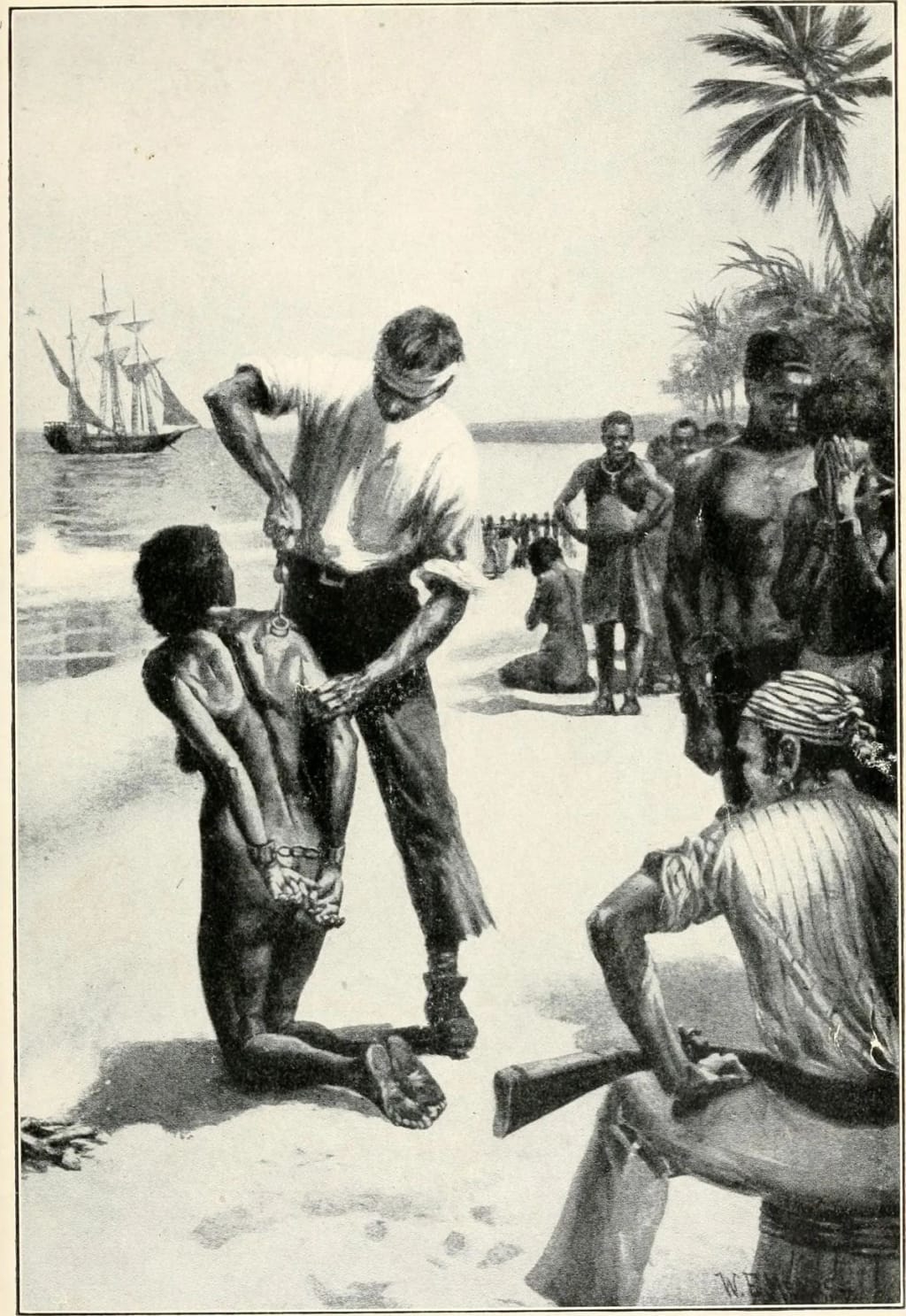
New Year’s Day in the United States is typically viewed as a time for fresh starts and celebration, yet its history holds a deeply troubling chapter for enslaved African Americans. For many in the antebellum South, January 1 was a day of heartbreak, separation, and uncertainty. Known within the African American community as “Hiring Day” or “Heartbreak Day,” the first day of the year was often marked by the hiring out or sale of enslaved people—a practice that could tear families apart.
These Economics of “Hiring Day”
In the decades before the Civil War, New Year’s Day played a significant role in the economic cycle of slavery. Alexis McCrossen, a historian and author of Time’s Touchstone: The New Year in American Life, explains that this date was integral to debt settlements and financial transactions, which included hiring out enslaved labor. Slave owners would often lease out enslaved individuals to other plantation owners, farmers, or businesses to generate additional income, particularly in the period between harvests and the next planting season.
These agreements, made privately among families and business contacts, were formalized in town squares, courthouse steps, or even roadside exchanges. Some enslaved people were auctioned off outright, while others were subjected to contracts of varying lengths. Regardless of the arrangement, the uncertainty of New Year’s Day often loomed large for those whose lives were being bartered.
Firsthand Accounts of Heartbreak.
Accounts from formerly enslaved people reveal the cruelty and anxiety tied to New Year’s Day. Israel Campbell, in his 1861 memoir, described being hired out three times on New Year’s Day, standing on the auctioneer’s block and waiting to be sold to the highest bidder. Harriet Jacobs, in her autobiography Incidents in the Life of a Slave Girl, recounted the harrowing experiences of enslaved families during this time.
Jacobs described the scene vividly: “At the appointed hour the grounds are thronged with men, women, and children, waiting, like criminals to hear their doom pronounced.” She recalled witnessing a mother leading seven children to the auction block, knowing some of them would be taken from her, only to see all of them sold. The slave trader refused to disclose their destination, leaving the mother crying out in anguish: “Gone! All gone! Why don’t God kill me?”
For many, the day before New Year’s was spent in desperate prayer, hoping their hirers would be humane or that their families could remain intact. Those who resisted their new arrangements faced brutal punishment, including whippings and imprisonment.
Older Enslaved People: A Grim Reality
Older enslaved individuals were particularly vulnerable during Hiring Day. Slave owners, seeing them as less economically valuable, were often eager to rent them out or discard them. Jacobs recounted one incident where an enslaved woman in her seventies was hired out because her owner was relocating. This practice underscored the inhumanity of the system, where even the most vulnerable were not spared.
A Glimmer of Hope: New Year’s Day and Freedom
Despite its association with heartbreak, New Year’s Day also symbolized hope and freedom in certain historical contexts. On January 1, 1808, the federal ban on the transatlantic slave trade went into effect, a moment celebrated by African American communities. However, these celebrations were short-lived as the domestic slave trade continued to flourish, and the risk of violence during public commemorations often deterred festivities.
The connection between New Year’s Day and emancipation became more pronounced when President Abraham Lincoln signed the Emancipation Proclamation on January 1, 1863. This monumental act freed enslaved people in Confederate states, giving the holiday a new, liberating significance.
The Tradition of Watch Night
On the night of December 31, 1862, African American communities gathered in churches to pray and await the official enactment of the Emancipation Proclamation. These “Watch Night” services have become a lasting tradition, observed in African American churches across the United States. Today, congregants continue to use this time for prayer, reflection, and a call for greater racial equality.
Reflection on a Painful Legacy
The dark history of New Year’s Day in American slavery serves as a sobering reminder of the systemic oppression endured by generations of African Americans. While the day now carries a sense of renewal and hope for many, its legacy is inseparable from the pain and resilience of those who lived through its cruelties. By acknowledging this history, we honor the strength of those who fought for freedom and strive to build a future rooted in justice and equality.
About the Creator
Keep reading
More stories from Lynn Myers and writers in History and other communities.
Insane moment woman jumps into zoo enclosure 'to swim' with polar bears
The cheerful atmosphere at Berlin Zoo was suddenly shattered when cries of alarm and a loud splash pierced the air or something had fallen into the moat surrounding the polar bear exhibit. To the disbelief of bystanders, the source of this commotion was a 32-year-old woman who had climbed into the enclosure and was now swimming towards the polar bears. It was a Friday in the spring of 2009, with Easter just around the corner, and the zoo was filled with locals and tourists alike. Many had gathered to witness Berlin Zoo's famous polar bear family during their feeding time, a popular attraction that typically drew large, excited crowds. Given the danger posed by these powerful predators, zookeepers always remained outside the enclosure while the bears were fed.
By Lynn Myersabout a year ago in History
The Forbidden City, China – The Richest Palace in History
No other palace—ancient or modern—matches its scale, longevity, and accumulated wealth. Origins and Construction The Forbidden City was constructed between 1406 and 1420 during the reign of the Ming Dynasty’s Yongle Emperor. Over one million workers, including artisans, craftsmen, and laborers, were involved in its construction. Materials were sourced from across China—rare woods from the south, marble from nearby quarries, and precious metals from imperial mines.
By Say the truth 3 days ago in History
Fair Exchange, No Robberies
Dark Memoirs - Index There are at least two kinds of people in the world: those who write this half-arsed kind of intro to a story that looks to separate the rare and the norm, and those who realise it's an overused framing device and don't.
By Paul Stewart6 days ago in Chapters



Comments
There are no comments for this story
Be the first to respond and start the conversation.