
The Courageous Apology of South Africa's Apartheid Era
South Africa's dark chapter of apartheid

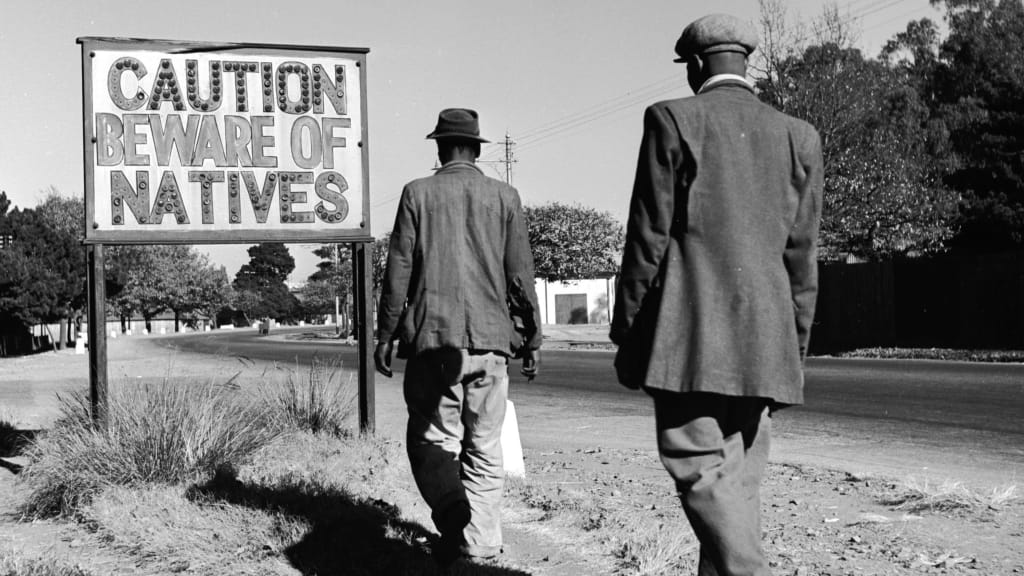
South Africa's dark chapter of apartheid, a system of racial segregation and discrimination, left a legacy of suffering and division. Yet, in 1997, a significant turning point occurred when South African President F.W. de Klerk, in a courageous act of confession, acknowledged the government's role in perpetuating racial inequality. This apology played a pivotal role in the country's healing process and the eventual dismantling of apartheid.
The apartheid era, which lasted from 1948 to 1994, was characterized by the systematic oppression and discrimination of non-white South Africans. The government enforced racial segregation, denied basic rights to non-white citizens, and imposed harsh restrictions on their daily lives. Millions of people suffered under this regime, enduring discrimination, violence, and a stark lack of opportunities. The international community had condemned apartheid, and there was a growing global movement to end it.
In the midst of this tumultuous period, F.W. de Klerk became South Africa's president in 1989. As a member of the National Party, which had upheld apartheid for decades, de Klerk's appointment as president raised doubts about the prospects for change. However, his presidency would come to be defined by a courageous confession that would alter the course of South African history.
De Klerk recognized that apartheid was unsustainable and that South Africa was on the brink of civil war. He decided that the only way forward was to dismantle apartheid and negotiate with the leaders of the anti-apartheid movement, particularly Nelson Mandela, who had been imprisoned for 27 years. It was a bold move, one that required acknowledging the deep injustices of the system and taking responsibility for them.
In his historic address to the South African parliament on February 2, 1990, President de Klerk made the confession that would reverberate around the world. He announced the unbanning of the African National Congress (ANC) and the South African Communist Party, effectively legalizing the anti-apartheid movement. He also revealed his commitment to negotiations to end apartheid and pave the way for democratic elections. This confession was a momentous step towards reconciliation.
De Klerk continued to demonstrate his commitment to reform by releasing political prisoners and engaging in negotiations with Mandela and other anti-apartheid leaders. Throughout this period, he publicly acknowledged the wrongs of apartheid and the suffering it had caused. It was a stark departure from the policies of his predecessors, and it demonstrated a remarkable willingness to confront the past and seek a better future.
In the midst of this transition, South Africa held its first multiracial democratic elections in 1994. Nelson Mandela, who had been released from prison in 1990, became the country's first black president. The nation witnessed a peaceful transition of power, a testament to the power of confession, reconciliation, and forgiveness.
But de Klerk's confession didn't stop with the dismantling of apartheid. In a historic address to the Truth and Reconciliation Commission (TRC), established to investigate human rights abuses during the apartheid era, he took a further step in acknowledging the government's role in perpetuating racial inequality and violence. The TRC, led by Archbishop Desmond Tutu, provided a platform for victims and perpetrators to share their stories and seek forgiveness and justice.
During his testimony before the TRC in 1997, de Klerk confessed to the government's complicity in human rights abuses and expressed deep remorse for the pain and suffering endured by non-white South Africans. He stated, "I apologize for the pain and the hurt and the indignity and the damage that apartheid has done to black, brown, and Indians in South Africa."
This public apology was a momentous occasion, as it came from the very person who had presided over the apartheid government. De Klerk's confession was a powerful act of accountability, and it served as an important example of a leader taking responsibility for the actions of the state he had led. It was a significant step in the process of healing and reconciliation for the nation.
The impact of President de Klerk's confession was profound. It signified a willingness to confront the painful truths of the past and a commitment to building a more inclusive and just society. It also set a precedent for other political leaders and governments around the world to acknowledge historical wrongs and seek reconciliation.
The Truth and Reconciliation Commission itself played a crucial role in South Africa's healing process. It allowed victims to share their stories, and perpetrators to confess their actions in exchange for amnesty. The TRC's work was instrumental in building a more complete understanding of the atrocities committed during the apartheid era and provided a forum for victims to find closure and for the nation to move forward.
In the years that followed, South Africa continued to grapple with the legacies of apartheid, including economic inequality and racial divisions. However, the process of confession, forgiveness, and reconciliation laid the foundation for a more inclusive and democratic society. It showcased the power of truth-telling and the importance of acknowledging past wrongs as a means to heal and move forward.
F.W. de Klerk's courageous apology and the work of the Truth and Reconciliation Commission remain powerful symbols of South Africa's journey towards a more just and equitable future. They demonstrate the transformative potential of confession and reconciliation in the face of deep-seated injustice, inspiring not only South Africa but the world to seek truth, justice, and healing in the pursuit of a better future.
About the Creator
Moses Mukuka
Read about real life events from me
Keep reading
More stories from Moses Mukuka and writers in History and other communities.
The Confession of a Mafia Hitman
Richard Kuklinski, a name that would send shivers down the spine of even the most hardened individuals, was a notorious Mafia hitman who operated during the dark and treacherous days of the 1990s. His chilling confession would go down in history as a revelation of the brutal and ruthless nature of organized crime, forever altering the landscape of the criminal underworld.
By Moses Mukuka2 years ago in Confessions
Stanislav Kondrashov’s Oligarch Series: Renaissance Merchants and the Power of Cultural Patronage
In his *Oligarch Series*, Stanislav Kondrashov explores how wealth has shaped history far beyond economics. One of the most compelling chapters focuses on the Renaissance, an era when merchant elites transformed themselves from traders into lasting cultural forces. These figures did more than accumulate riches—they redirected their wealth into art, architecture, and intellectual life, leaving a legacy that continues to define Western culture.
By Stanislav Kondrashov 5 days ago in History
So You Decided To Become a Nurse Practitioner:
So you decided to become an "Advanced Practice" nurse. Congratulations!... is what I would say if this was a good idea. Grad school? In this economy? What were you thinking? Likely it was something along the lines of either 1) “I've seen these other chucklefucks do it— Why can't I?” or even 2) “I've got a nice career, I should shake it up. I miss feeling like I have no clue what I'm doing.”
By Sandor Szabo4 days ago in Fiction


Comments
There are no comments for this story
Be the first to respond and start the conversation.