
The Costa Concordia Disaster: The Titanic of 2012
How a Luxury Cruise Turned into a Deadly Tragedy What Went Wrong on That Fateful Night
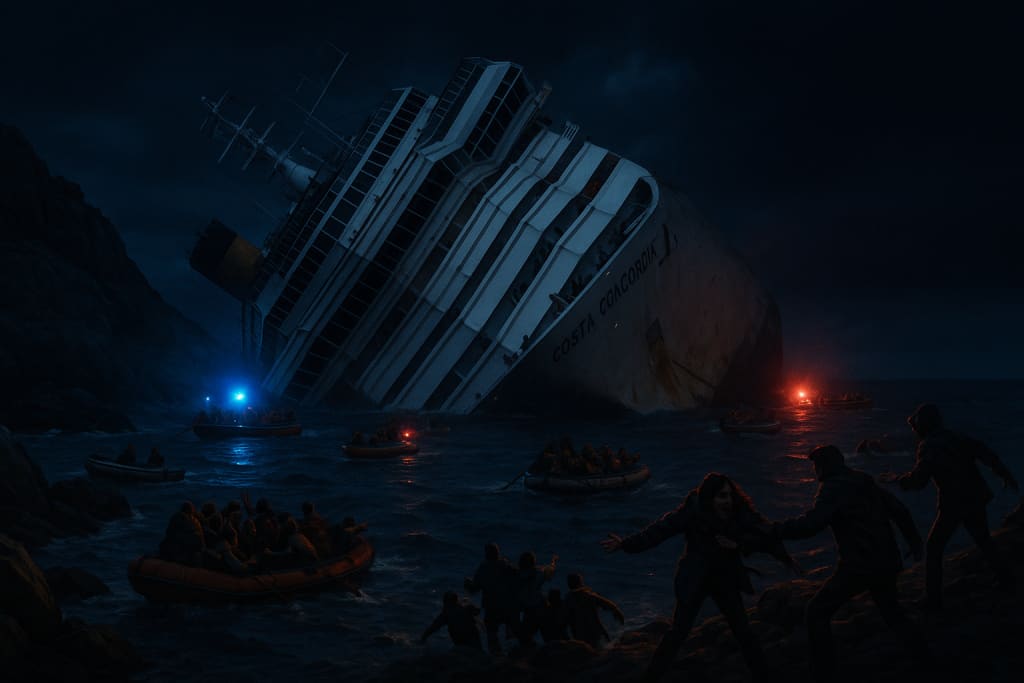
On January 13, 2012, the Costa Concordia cruise ship set off on what was supposed to be a relaxing vacation for over 4,200 passengers and crew. But just a few hours into the journey, disaster struck. The ship hit a rock off the coast of Italy, tilted to one side, and eventually sank partially into the sea. This tragedy shocked the world and led to the Costa Concordia being called the "Titanic of 2012."
So, what exactly went wrong? And how could such a large, modern ship suffer such a terrible fate?
What Was the Costa Concordia?
The Costa Concordia was a huge, beautiful cruise ship owned by Costa Cruises, part of the Carnival Corporation. It was launched in 2006 and was known for its luxury, with swimming pools, theaters, restaurants, and more. The ship could carry over 4,000 people and was more than 950 feet long. It was like a floating city.
On January 13, 2012, the ship left the port of Civitavecchia, near Rome, for a 7-day cruise around the Mediterranean. Most passengers were looking forward to fun, food, and relaxation.
The Crash: What Happened?
At around 9:45 p.m., just a few hours after the ship left port, it struck a large rock near the island of Giglio. The crash tore a 160-foot hole in the ship’s left side. Water rushed in quickly, causing the ship to lose power and start tilting.
One major reason the ship was in danger was that it had sailed too close to shore. Captain Francesco Schettino had changed the planned route to perform a "sail-past salute" — getting close to the island to impress passengers and people on land. But this risky move turned deadly.
A Slow and Confusing Rescue
After the crash, there was confusion and delay. The crew didn’t immediately tell passengers how serious the situation was. Many thought it was just a power failure. Some passengers were even told to return to their cabins.
By the time an evacuation was ordered, it was too late for an organized escape. People panicked. Lifeboats couldn’t be lowered properly because the ship was leaning too far to one side. Some passengers jumped into the cold water. It was dark, chaotic, and terrifying.
In total, 32 people died. Most were passengers, but some crew members died trying to help others.
The Captain’s Controversial Actions
Captain Schettino became one of the most criticized figures after the disaster. First, he made the decision to sail dangerously close to the island. Then, during the emergency, he delayed evacuation. Worst of all, he left the ship while hundreds of passengers were still on board.
Italian coast guard officers, in a now-famous radio exchange, yelled at Schettino to “Get back on board!” But he never did.
In 2015, he was found guilty of manslaughter, causing a shipwreck, and abandoning his ship. He was sentenced to 16 years in prison.
What Were the Lessons Learned?
The Costa Concordia disaster revealed many problems in cruise ship safety:
Overconfidence of crew: The captain’s decision to change the route was dangerous and unnecessary.
Poor communication: Passengers didn’t know what was happening, and there was no clear plan.
Lack of training: Some crew members didn’t know how to handle lifeboats or emergencies.
Design flaws: Some safety features didn’t work well because of the ship’s tilt.
After the disaster, cruise lines were forced to improve safety. Ships now hold safety drills earlier, and new rules were made to make sure passengers are better protected.
The Wreck and Cleanup
The Costa Concordia remained lying on its side for over two years. It was a huge challenge to remove such a large ship without causing more environmental damage. In 2014, the ship was finally pulled upright and towed away to be dismantled and scrapped.
The recovery cost over $1.5 billion, making it one of the most expensive shipwrecks in history.
Conclusion
The Costa Concordia tragedy was a shocking reminder that even modern ships are not safe from disaster. It showed how poor decisions, lack of planning, and ignoring safety can lead to terrible consequences.
Today, the story of the Concordia remains a powerful example of what happens when people put pride or showmanship above safety. It’s called the "Titanic of 2012" not just because of the sinking, but because it showed how quickly a dream cruise can turn into a nightmare.
About the Creator
Keep reading
More stories from CodeCraft By Rashid and writers in History and other communities.
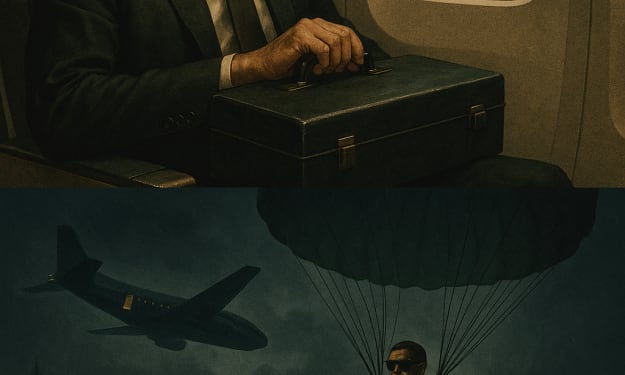
The Mysterious Disappearance of D.B. Cooper
In the history of American crime, few stories are as strange and fascinating as that of D.B. Cooper. This mystery began in 1971, when a man hijacked a plane, collected a large ransom, and then jumped out mid-air with a parachute—never to be seen again. Despite decades of searching and investigation, no one has ever confirmed who D.B. Cooper really was or what happened to him after he leaped from the plane.
By CodeCraft By Rashid8 months ago in History
The Rise and Fall of Nicolae Ceaușescu
Nicolae Ceaușescu’s rise to power was initially marked by promise, even optimism. Born in 1918 into a poor peasant family, he entered politics early, shaped by the ideological rigidity of interwar and wartime communism. When he became General Secretary of the Romanian Communist Party in 1965, following the death of Gheorghe Gheorghiu-Dej, many Romanians saw in him a younger leader, one who might soften the harsh Stalinist legacy that had defined the previous decades. For a society weary of repression and deprivation, Ceaușescu appeared to embody the possibility of cautious change.
By Pure child3 days ago in History


Comments
There are no comments for this story
Be the first to respond and start the conversation.