
The Beautiful Game: A Journey Through Football History
Tracing the Legacy of the World’s Most Loved Sport

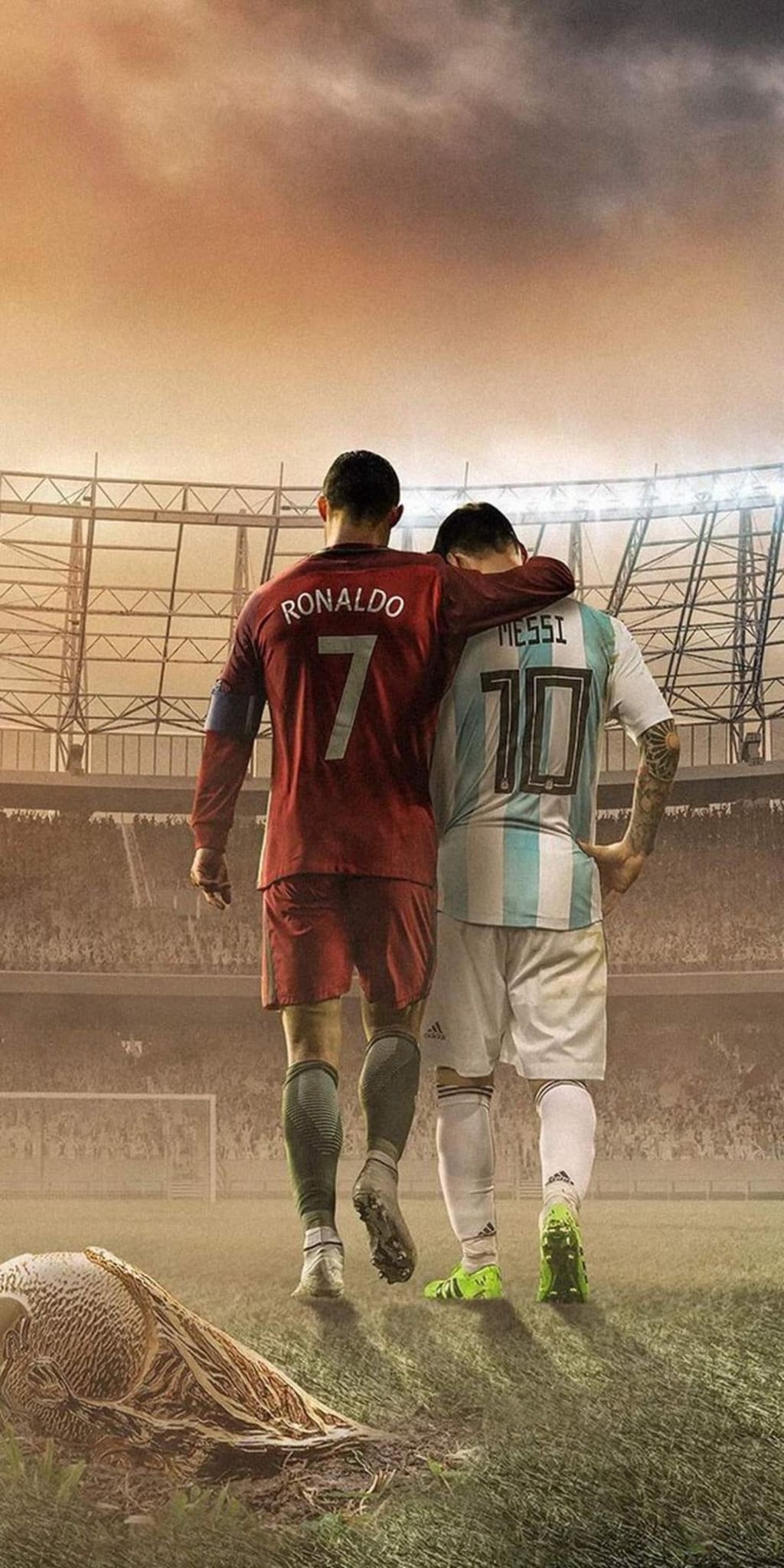
Football, or soccer as it's known in some corners of the world, is more than just a game. It is a global language, a passion shared by billions, and a cultural phenomenon that transcends borders, languages, and ideologies. But how did this simple game with a ball and two goals become the most beloved sport on Earth?
The roots of football stretch back thousands of years. Ancient civilizations from China to Greece played early forms of the game. The Chinese sport “Cuju,” played during the Han Dynasty (206 BC – 220 AD), involved kicking a leather ball into a net. Meanwhile, in Mesoamerica, the Maya played a ball game with spiritual significance. These games lacked formal rules, but the core idea — moving a ball toward a goal — was already in play.
Modern football, however, traces its birth to 19th-century England. As the Industrial Revolution changed daily life, people needed structured leisure activities. Schools and communities began to codify games, and in 1863, the Football Association (FA) was established in London. It was here that the first unified rules of the game were written — the origin of association football, or “soccer” (from “assoc.”) as it was sometimes called.
From the muddy fields of England, football began to spread. British sailors, soldiers, and traders carried the game around the globe — from Europe to South America, Africa to Asia. In ports and factories, on beaches and schoolyards, people embraced this simple yet exhilarating sport.
South America quickly became a football stronghold. By the early 20th century, nations like Brazil, Argentina, and Uruguay had adopted and mastered the game. The first FIFA World Cup, held in 1930 in Uruguay, was a testament to the sport’s rapid international growth. Uruguay won that inaugural tournament, defeating Argentina in a thrilling final — and the world took notice.
As time passed, football legends began to emerge — not just players, but icons who shaped cultures. Brazil’s Pelé, with his mesmerizing footwork and joyful spirit, became a symbol of hope and excellence. Argentina’s Diego Maradona, with his rebellious genius, captured hearts and headlines. Later came Zinedine Zidane, Ronaldinho, Cristiano Ronaldo, and Lionel Messi — names etched in football history.
But football was never just about the stars. It was about people. Children kicking cans in narrow alleys. Fans chanting in unison from the stadium stands. Communities uniting behind local clubs. Football brought joy in times of peace and hope in times of war. In 1914, during World War I, opposing soldiers on the Western Front famously called a Christmas truce and played a spontaneous match in no-man’s land — proof that even in chaos, the game could bring humanity together.
As the decades progressed, football became a tool for social change. Nelson Mandela used the 1995 Rugby World Cup to unite South Africa, but football had long helped dismantle apartheid's walls. African and Asian nations, once excluded from the global stage, began to rise — Cameroon’s run in 1990, Senegal’s shock win over France in 2002, and Morocco’s historic 2022 World Cup semifinal finish showed the world that football belongs to everyone.
In the modern era, football is more than a game. It’s an industry, a business, and a platform for voices that matter. Clubs like Manchester United, FC Barcelona, and Bayern Munich are global brands. Players earn millions and speak to millions more through social media. Yet even with all the money and media, the soul of football remains rooted in simplicity — a ball, a team, and a dream.
The World Cup, held every four years, is perhaps the best symbol of football's power. It brings together nations, cultures, and fans in a shared celebration. When France lifted the trophy in 2018, led by a multicultural team, it was a triumph of unity and diversity. When Messi finally won in 2022, it was a fairytale ending to a legendary career.
Football has also embraced technology. VAR (Video Assistant Referee), goal-line tech, and wearable trackers are reshaping the game. At the same time, grassroots football thrives — in refugee camps, remote villages, and urban streets. The game continues to evolve, but its essence remains unchanged.
Today, over 250 million people play football in more than 200 countries. It is the most watched, most played, and most loved sport in the world. From dusty fields to dazzling stadiums, the beautiful game continues to inspire new generations.
As long as there are kids with a ball and a dream, football will live on. Because football is not just history — it is humanity in motion.
About the Creator
Abdullah khan
My name
Abdullah khan
instagram ; @abdullah_khan15549
Keep reading
More stories from Abdullah khan and writers in History and other communities.
Pakistan: Born from a Dream
In the summer of 1947, the world witnessed the birth of a new nation—Pakistan. It was not just the drawing of borders or the shifting of power. It was the fulfillment of a dream that had taken root decades earlier, in the hearts of millions who longed for a homeland where they could live in freedom, dignity, and peace. Pakistan was not born easily. It emerged from a storm of struggle, sacrifice, and vision—etched into history by courage and conviction.
By Abdullah khan9 months ago in History
Ancient Egyptian Tomb Unearthed: 3,000-Year-Old Remains of Four Children Discovered
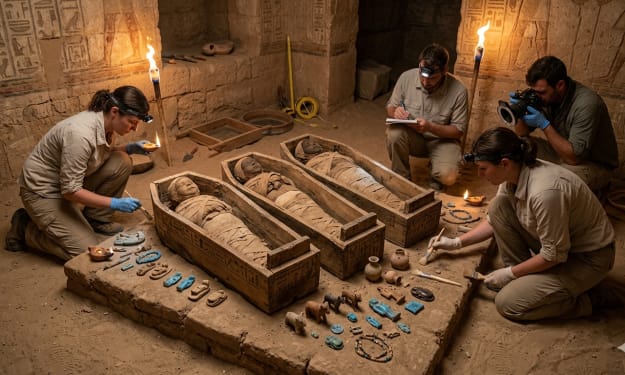
In a remarkable archaeological discovery in Egypt, researchers have uncovered the mummified remains of four children dating back nearly 3,000 years. The find, located in the southern region of Luxor, offers a rare glimpse into the lives, deaths, and funerary customs of young Egyptians during the New Kingdom period.
By Irshad Abbasi 5 days ago in History



Comments
There are no comments for this story
Be the first to respond and start the conversation.