
The Baron’s Palace in Egypt: A Tale of Mystery, Terror, and Timeless Intrigue
The Baron’s Palace in Egypt: A Tale of Mystery, Terror, and Timeless Intrigue

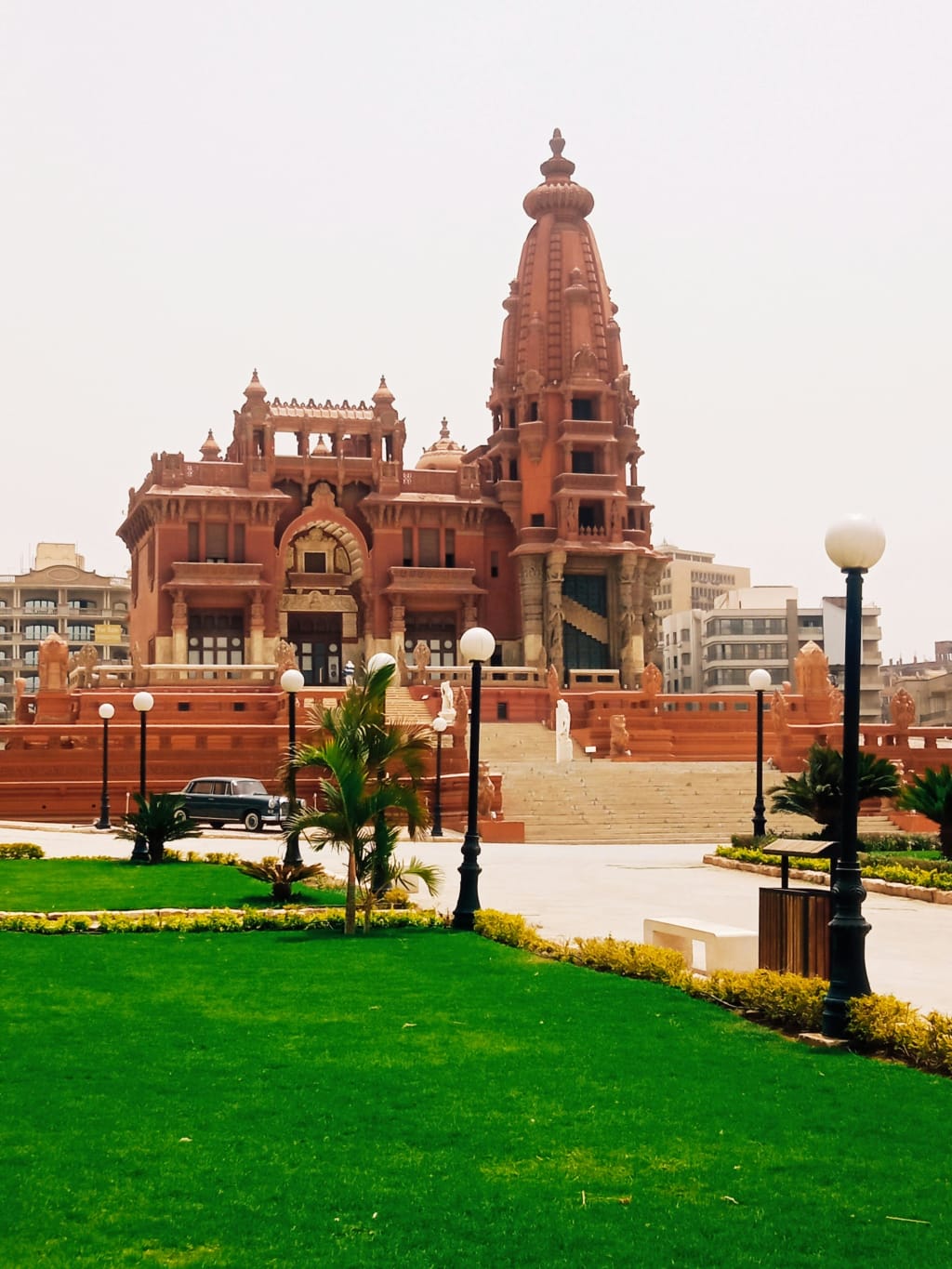
Nestled in the heart of Heliopolis, Cairo’s upscale district, the Baron Empain Palace, or simply "The Baron's Palace," stands as an architectural masterpiece shrouded in myth and mystery. Built in the early 20th century, this iconic mansion is as famous for its grandeur as it is for the spine-chilling tales that surround it. What began as the dream home of a Belgian aristocrat has transformed over the decades into a hotspot for ghost stories, urban legends, and paranormal enthusiasts.
The Origins of the Palace
The Baron’s Palace was commissioned by Baron Édouard Empain, a Belgian industrialist and entrepreneur who arrived in Egypt in 1904. Entranced by the desert landscape, he envisioned creating a lush, luxurious city in the barren lands northeast of Cairo. Thus, Heliopolis was born, a city of palatial residences, green avenues, and modern infrastructure.
The palace itself, completed in 1911, was designed by French architect Alexandre Marcel. Inspired by Hindu temples in India, particularly the Angkor Wat complex, the building incorporates intricate carvings, mythical figures, and elaborate motifs. The rotating tower, a unique feature, provided Baron Empain with a 360-degree view of his beloved city.
Although the architecture was stunning, the palace soon gained notoriety not for its beauty but for the eerie stories that began to swirl around it.
Whispers of Darkness: The Palace’s Myths and Legends
Over the decades, locals and visitors alike have reported strange occurrences in and around the Baron's Palace. These tales range from ghostly apparitions to inexplicable noises, cementing its reputation as one of Egypt’s most haunted sites.
One of the most enduring legends involves Baron Empain's family. According to local folklore, the Baron’s sister, Helena, met a mysterious death in the palace. Some say she fell from the rotating tower; others claim she was pushed. It is believed her spirit lingers in the building, her cries echoing through its halls on moonlit nights.
Another legend suggests that the Baron’s wife, who also died under unclear circumstances, haunts the palace. It is said that her ghost can be seen wandering the grand halls in a flowing white gown. Witnesses claim to have heard her weeping during the quiet hours, adding to the palace’s unsettling aura.
Adding to the mystique, stories of satanic rituals and secret gatherings have long been associated with the Baron's Palace. In the 20th century, after the palace fell into disrepair, urban explorers reported finding symbols and signs suggesting occult activities. These tales have only fueled the public’s fascination with the building.
Paranormal Activity or Urban Legends?
The palace's dark reputation reached a peak in the 1990s when rumors of paranormal activity surged. Witnesses reported strange lights emanating from the empty structure at night, shadows moving across the windows, and chilling whispers from within the walls.
Experts and skeptics argue that many of these phenomena can be attributed to the dilapidated state of the building. The eerie creaks and groans of the palace, combined with its abandoned appearance, make it an ideal breeding ground for spooky stories. However, for believers, the unexplained occurrences confirm that the palace is a hotspot for supernatural activity.
The Revival of a Historical Icon
In recent years, the Egyptian government has taken significant steps to preserve the Baron’s Palace and its rich heritage. A multi-million-pound restoration project was launched to revive the mansion, transforming it into a cultural and historical landmark.
The restoration was completed in 2020, and the palace was reopened to the public as a museum showcasing the history of Heliopolis and the life of Baron Empain. Visitors can now explore the palace’s intricate designs, including its spiral staircase, marble floors, and exquisite carvings.
Despite the renovations, the legends persist. Tour guides recount tales of ghostly sightings, and some visitors claim to feel an inexplicable chill as they wander through its halls. Whether it’s a lingering aura of the past or simply the power of suggestion, the palace continues to captivate all who enter.
Why the Baron's Palace Endures
The enduring allure of the Baron’s Palace lies in its juxtaposition of beauty and mystery. Its majestic design and historical significance are undeniable, yet the eerie tales give it a darker edge, making it a magnet for thrill-seekers and history buffs alike.
Cultural fascination with haunted places has ensured that the Baron's Palace remains at the forefront of Egypt’s urban legends. It is not merely a relic of the past but a living, breathing entity in the collective imagination. Its tales have been passed down through generations, each story adding another layer to its mystique.
Visiting the Baron’s Palace
For those brave enough to visit, the Baron's Palace offers a glimpse into Cairo’s history and a brush with the supernatural. Daytime tours focus on its architectural and historical significance, while nighttime visits—though rare—immerse guests in its haunting atmosphere.
Whether you come for the history, the beauty, or the thrill of a ghostly encounter, the Baron’s Palace promises an unforgettable experience.
Conclusion
The Baron’s Palace is more than just a building; it is a symbol of a bygone era, a canvas of architectural genius, and a repository of some of Egypt’s most chilling legends. Its walls have witnessed grandeur, tragedy, and mystery, making it a timeless enigma that continues to intrigue and terrify.
As its tales continue to evolve, one thing is certain: the Baron’s Palace will forever remain a captivating blend of history and horror, drawing in those who dare to uncover its secrets.
About the Creator
Keep reading
More stories from mariam elghazaly and writers in History and other communities.
The Secret of Umm Al-Huwaitat: Egypt’s Abandoned Village Cloaked in Mystery
Nestled in the heart of Egypt’s Eastern Desert lies the enigmatic village of Umm Al-Huwaitat, an abandoned settlement that continues to captivate historians, explorers, and conspiracy theorists alike. With its crumbling houses, decaying infrastructure, and eerie silence, this ghost village holds a narrative that has remained untold for decades. Why did its inhabitants flee? What secrets does the barren land conceal? As we delve into the layers of history, legend, and intrigue, the secrets of Umm Al-Huwaitat begin to emerge.
By mariam elghazalyabout a year ago in History
Saudi Arabia Warns Against War
Saudi Arabia Warns Against War: Why Riyadh Opposes a U.S. Attack on Iran As tensions between the United States and Iran continue to rise, Saudi Arabia has taken a notable and cautious position: warning against any U.S. military attack on Iran. This stance may surprise some observers given the long history of rivalry between Riyadh and Tehran, but it reflects a broader regional concern that another major war in the Middle East could spiral beyond control.
By Wings of Time 4 days ago in History
Napoleon Bonaparte — From Corsican Outsider to Emperor of Europe
Napoleon Bonaparte was born on August 15, 1769, on the Mediterranean island of Corsica, a land that had only recently come under French control. His family was of modest noble status, and young Napoleon grew up feeling like an outsider—Corsican by culture, yet educated as a Frenchman. This sense of being different shaped his fierce ambition and iron will. From an early age, he showed a sharp mind, a deep love for history, and an unusual talent for mathematics, which later proved essential in warfare.
By The best writer 6 days ago in History
My New Book is Finally Here
My poetry collection Beautiful and Brutal Things is done. It's actually done and finally published over 270 pages. Over a year of my life went into this book. More than a year, really. Long days at my computer, sometimes seven days a week because I couldn't stop even when I probably should have. Then two months of editing that felt harder than the writing itself. But it's finished, and I'm still standing, and the book is real.
By Tim Carmichael2 days ago in BookClub



Comments
There are no comments for this story
Be the first to respond and start the conversation.