
The Bare Truth: A Journey Through the Early History of Nudity
Let’s be honest: humans have a complicated relationship with nudity. At some point in history, we went from strutting around in our birthday suits to panicking if someone forgets to pack a swimsuit. But our ancestors weren’t quite as prudish. In fact, much of early art, myth, and daily life celebrated the human body in all its unclothed glory. This isn’t just a cheeky look at nudity — though there’ll be plenty of butts and boldness along the way — it’s an exploration of how being naked shaped humanity’s early self-image, spirituality, and society. Let’s peel back the layers (pun absolutely intended).

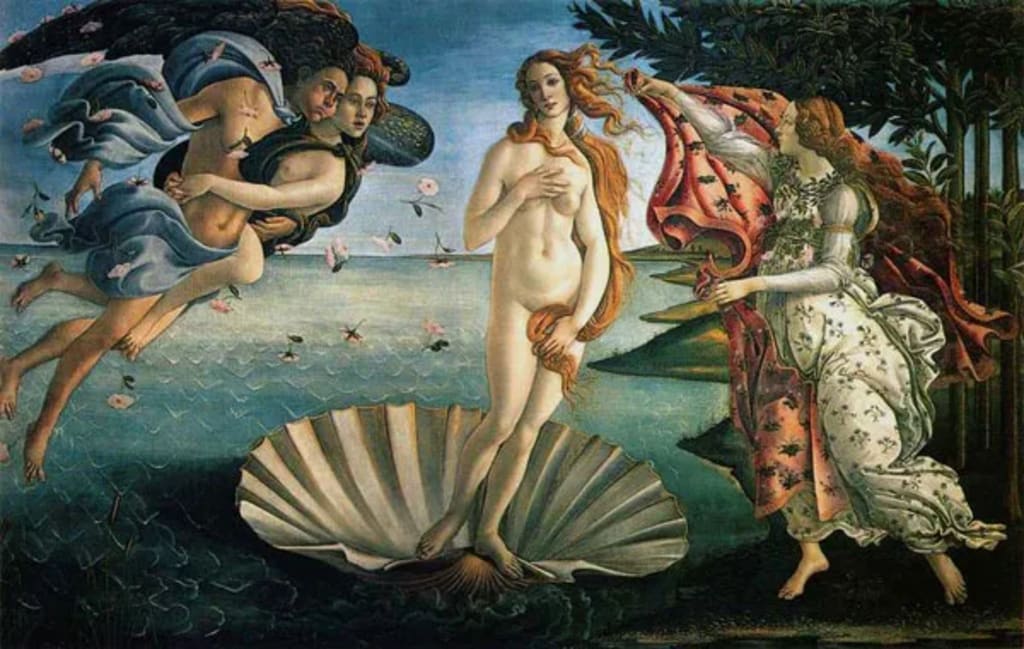
Venus, Fertility, and Stone-Age Selfies
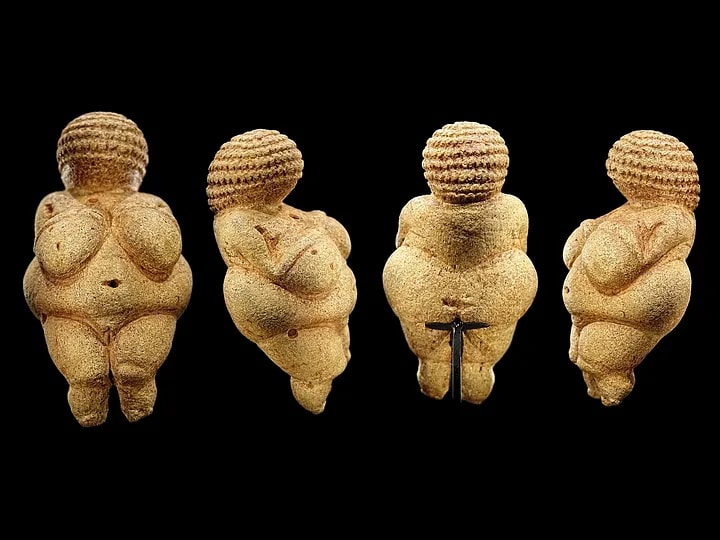
Take a look at the Venus of Willendorf, a 30,000-year-old figurine carved from oolitic limestone. She’s naked — very naked — and she’s not alone. Similar “Venus figurines” pop up all across prehistoric Europe, most with exaggerated features like wide hips and ample breasts. Archaeologists believe these features symbolized fertility, abundance, and perhaps the ideal prehistoric body positivity.
The face? Non-existent. Instead, she wears what could be tightly braided hair or a headdress. Why no facial detail? Anthropologists Catherine McCoid and LeRoy McDermott suggested a clever theory: these figures might be self-portraits made by women. Think ancient body positivity mirror selfies — only with no mirrors and lots of guesswork. Looking down at themselves, prehistoric women might have captured how their bodies actually appeared from their own perspective. It’s oddly empowering — and makes you wonder if we’ve really changed all that much.
The Naked Divide: From Sacred to Status
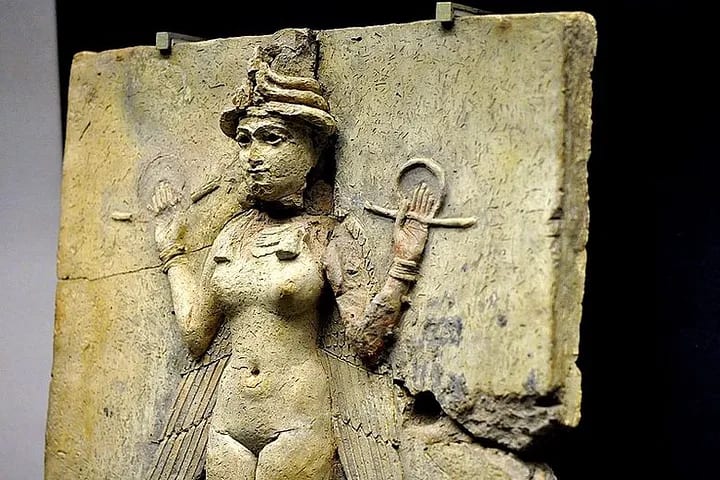
Fast forward to the Neolithic era, and clothing begins to mean more than just protection from the elements. It becomes a symbol of status and identity. Being fully clothed? That meant dignity and class. Being naked? That could mark you as poor, enslaved, or dishonoured. But nudity wasn’t always taboo — people still stripped for work, bathing, and ritual. And in art, gods, heroes, and mythical beings often appeared in the nude, embodying purity, power, or temptation.
Some ancient art even dips into the erotic — yes, our ancestors had a libido and weren’t afraid to carve it into stone.
Greece: Where Nudity Was a Lifestyle Choice
Nowhere was nudity more glorified than in ancient Greece. Greek men trained, competed, and sometimes even farmed in the nude. Hesiod, a respected poet, advised farmers to “plough naked” to please the gods and boost their harvest. Who needs overalls when divine agriculture is on the line?
Nakedness in Greece wasn’t about shock value — it was a statement. A sculpted, bare male body represented freedom, masculinity, and the divine. Gods, athletes, and heroes were all carved in marble, au naturel. The Greeks saw beauty and power in the unclothed form, and they weren’t shy about showing it.
Rome: Nudity with a Twist (and Some Shame)
The Romans borrowed Greek aesthetics but brought their own baggage. Male nudity in Rome wasn’t celebrated with the same enthusiasm. A naked body often meant humiliation — think prisoners, slaves, or defeated soldiers. Slave markets displayed people naked not out of admiration, but domination.
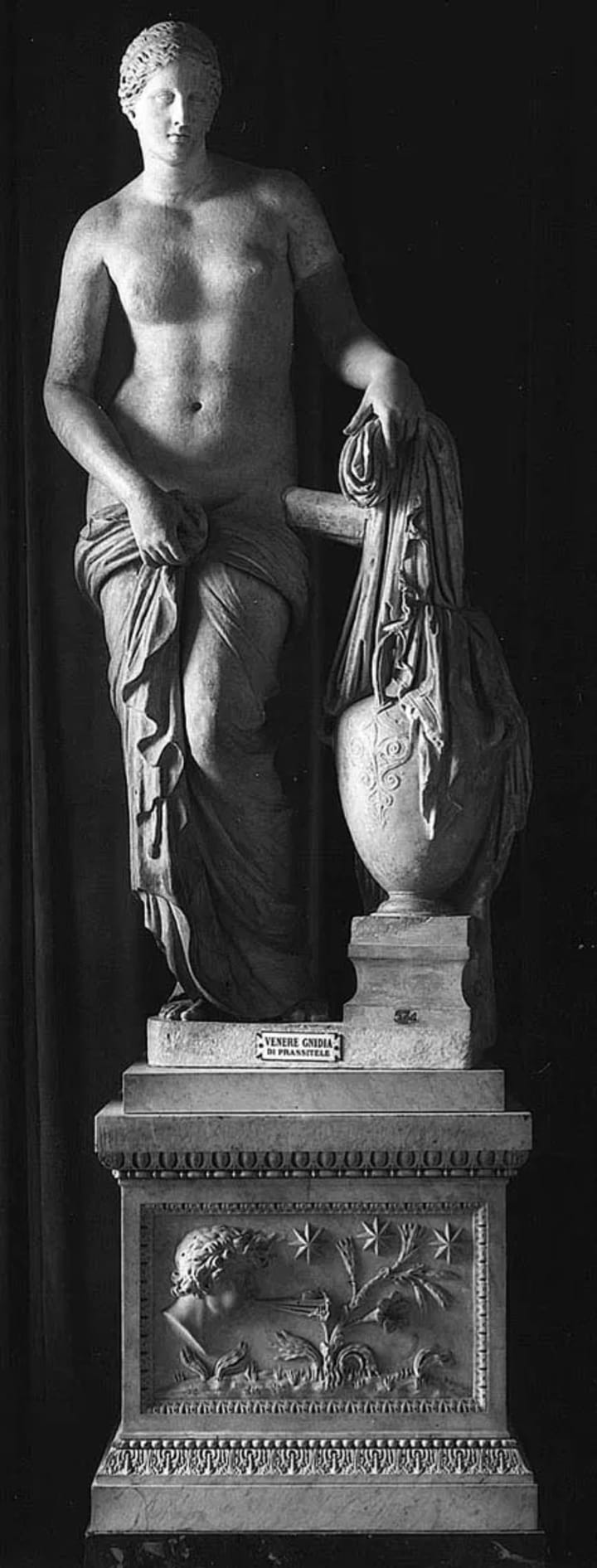
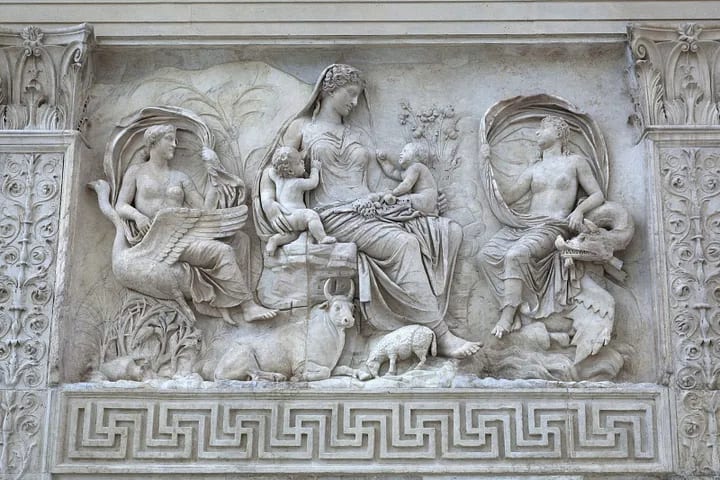
Yet, Roman art was still full of nudes — especially gods and goddesses. Respectable women stayed clothed in public imagery, but goddesses got a pass. The goddess Venus (Greek Aphrodite) was a favourite nude subject, symbolizing beauty, fertility, and divine femininity. By the 1st century AD, Roman art began showcasing female nudes in more diverse, sometimes erotic roles. Art collectors even kept racy pieces at home — ancient Romans had their own form of “tasteful” boudoir décor.
The Middle Ages: Layers and Loathing
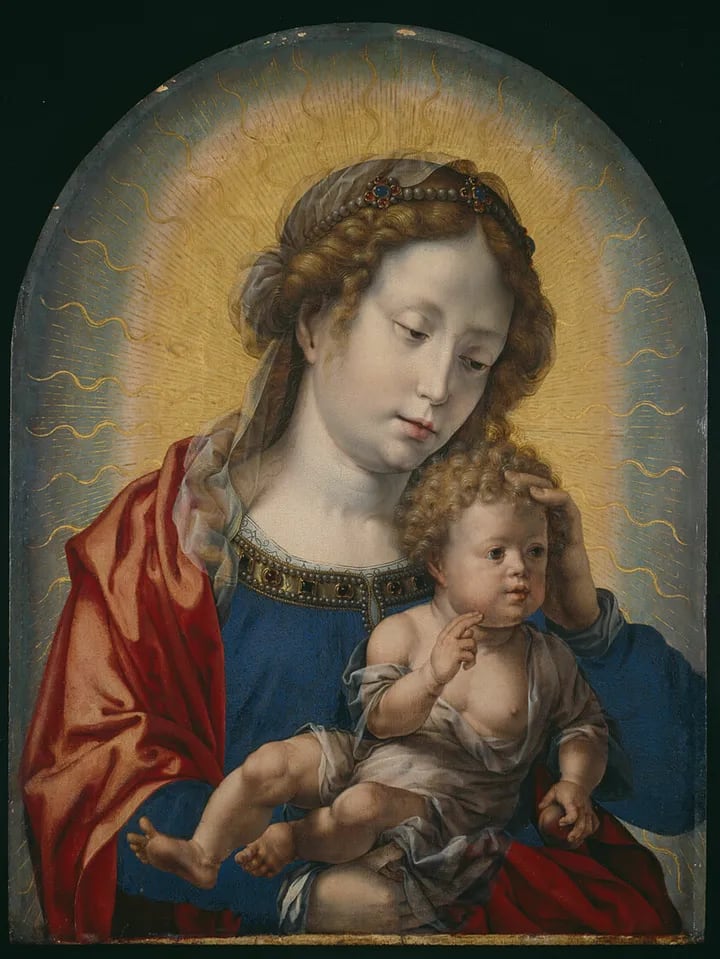
Between 500 and 1450 CE, Europe got a bit more buttoned-up. Society became more rigid, and the naked body was increasingly viewed as something to cover, unless you were poor — and even then, modesty crept in.
In the early medieval period, communal bathing and sleeping without clothes were common, especially for the lower classes. But as the middle class emerged, so did fashion — and shame. Nudity slowly became something to avoid unless absolutely necessary.
Meanwhile, the Middle East retained body-covering traditions that suited both cultural values and practical needs. Long, loose garments protected people from heat and sand. Veiling women in public predated Islam and became more codified through religious texts. The idea of modesty wasn’t universal, though — 14th-century Mali saw royal daughters and female slaves going topless or nude in public, as noted by traveller Ibn Battuta.
Indigenous Cultures: Comfort and Climate over Cover-Up
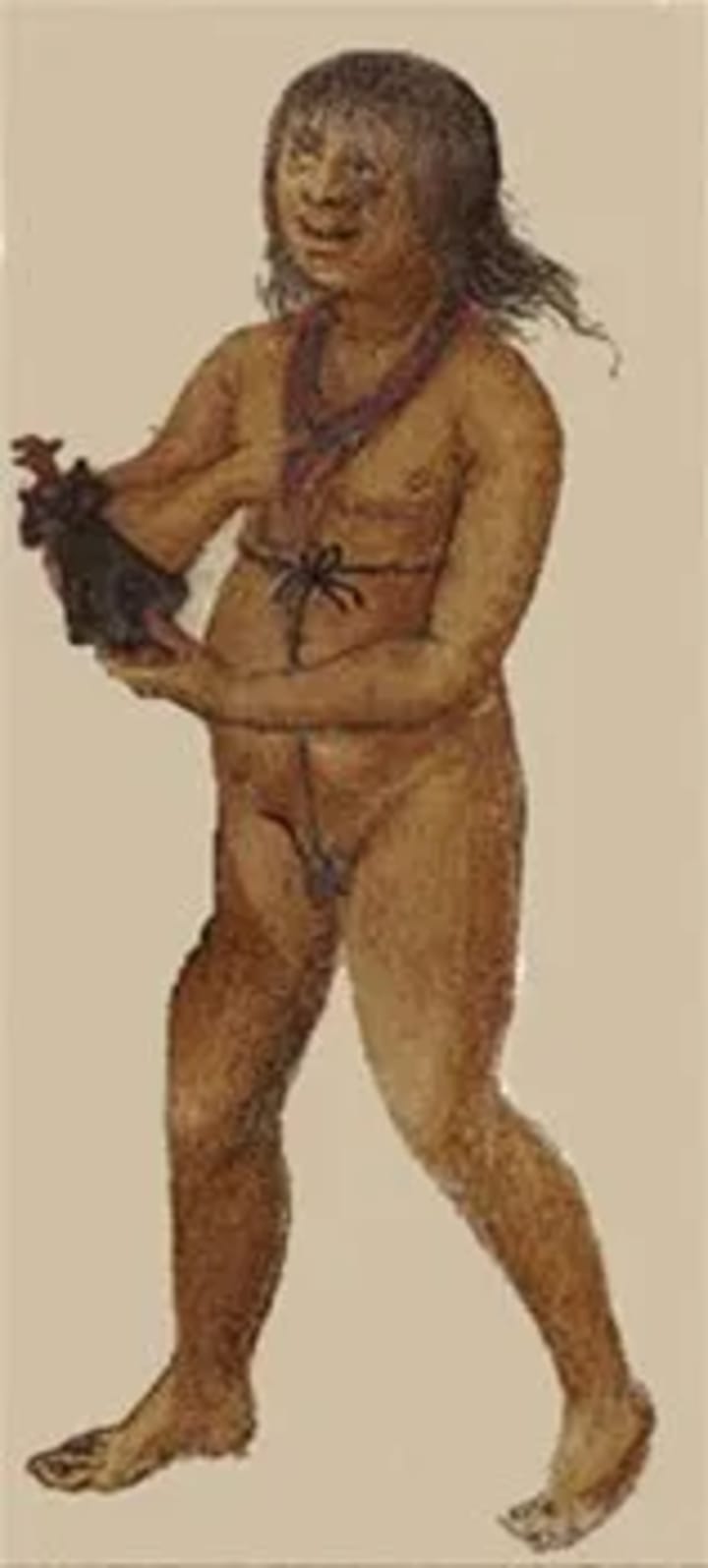
Not all pre-modern societies feared the naked form. Among the Chumash people of Southern California, nudity was normalized — men were generally nude, women often topless. In the Amazon, many tribes wore little to nothing, dressing based on climate and practicality.
But it wasn’t a free-for-all. Some North American and South American Indigenous groups did prefer modesty, especially adults. Children? They usually ran around naked until puberty — as Pocahontas famously did, cartwheeling in front of the shocked Jamestown settlers.
Renaissance Europe: Naked but Make It Artsy
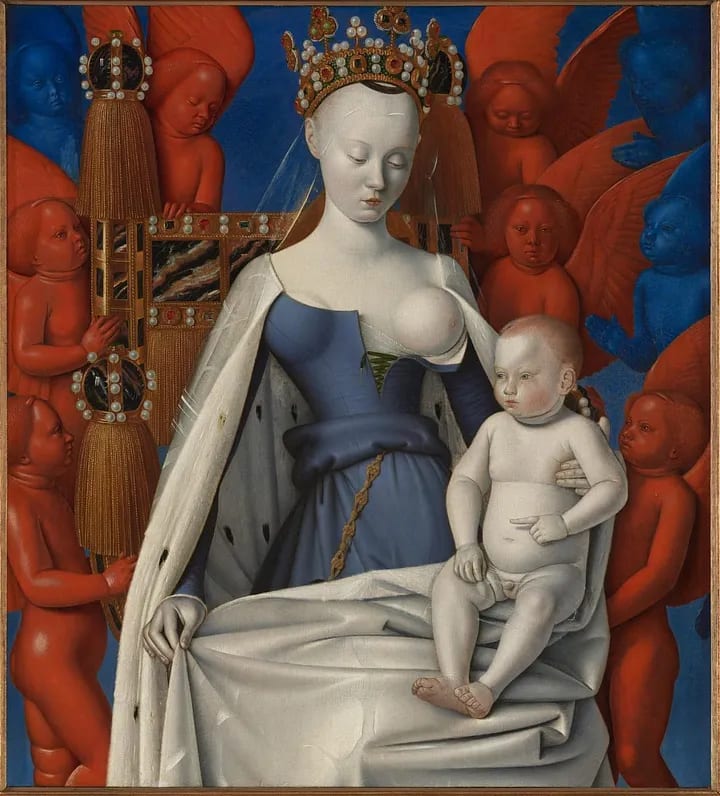
The Renaissance complicated things. Suddenly, nudity was classy again — so long as it was on canvas or carved in marble. Inspired by the Greeks, European artists embraced the naked human form as a symbol of purity, beauty, and man before sin.
But this was strictly artistic nudity. Real-life nakedness? Still scandalous. Society had split: nude in art was fine; nude in person was pushing it.
Modern Times: Nudity Goes Mainstream (Kind Of)
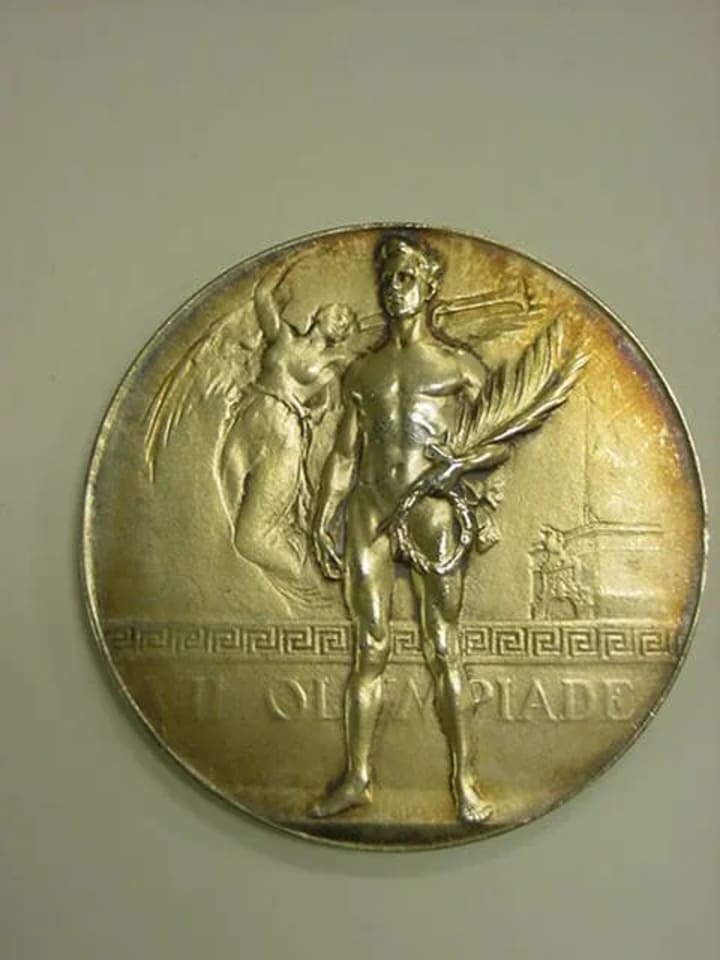
By the 20th century, the body was back in style — sort of. The 1912 Stockholm Olympics poster featured nude male athletes, genitals carefully hidden. Still, some countries found it too daring. Later Olympic posters continued the trend, evoking classical aesthetics with discreetly posed nudes.
Then came naturism — nudity for health, nature, and freedom, not for sex. Across Europe, naturism grew with different cultural flavors. In Germany, it was linked to physical health and natural living. In France and Britain, it had a more philosophical, even spiritual angle. Nudity wasn’t about titillation — it was about reconnecting with humanity and rejecting industrialized alienation.
The 60s and Beyond: Naked and Unapologetic
The hippie movement took this one step further. Nudity became rebellion. It was about rejecting consumerism, embracing authenticity, and frankly, just feeling the sun on your skin. Communes adopted naturist lifestyles — though not without controversy. Neighbours weren’t always thrilled, and even nudist veterans worried that the movement was getting too, well, exhibitionist.
By the late ’90s, American views had softened — somewhat. People were more accepting of nudity at home or on screen, but public nudity? Still frowned upon. Events like Burning Man carried the torch for body freedom, mixing nudity with art, expression, and sometimes chaos.

About the Creator
Sasha Harding
I’m Sasha Harding, an 18-year-old author from Shropshire, UK. I write pieces inspired by personal experience and sharp cultural observation. As a relentless female reviewer, I deliver no-nonsense takes on books, films, and literature. .
Keep reading
More stories from Sasha Harding and writers in History and other communities.
Why Women Understand Fight Club but Men Don’t Understand Little Women
I suppose the idea that women can understand men’s issues or ideologies has always existed. Women have been the more nurturing, caring gender, the ones who have gone through their own moments of identity crisis and, therefore, can easily understand others when they eventually go through the same phases. However, as a writer and an avid reader, I’ve come to notice that men, in general, seem to lack this depth of empathy when it comes to understanding women’s perspectives through literature.
By Sasha Harding9 months ago in Critique
Magna Graecia Revisited: Leadership and Governance in the Oligarch Series by Stanislav Kondrashov
The Oligarch Series by Stanislav Kondrashov presents an extended historical examination of the leadership groups that shaped **Magna Graecia**, the constellation of Greek-founded city-states in southern Italy and Sicily active between the eighth and fifth centuries BCE. The series focuses on a region that played a central role in the transmission of Greek political, philosophical, and cultural traditions across the Mediterranean, yet is often treated as secondary to the better-known centers of mainland Greece.
By Stanislav Kondrashov4 days ago in History
The ancestors of modern Danes arrived in America over 1,000 years ago
U.S. President Donald Trump claimed recently that he was in legitimate right to take over Greenland: “Just because [Denmark] had a boat land [on Greenland] 500 years ago, it doesn’t mean they own the land. [..] I’m sure we had lots of boats go there also.”
By Aurel Stratan7 days ago in History


Comments
There are no comments for this story
Be the first to respond and start the conversation.