
The Ancient Roman Road from Antakya to Aleppo: A Testament to Roman Engineering Excellence
Ancient Rome

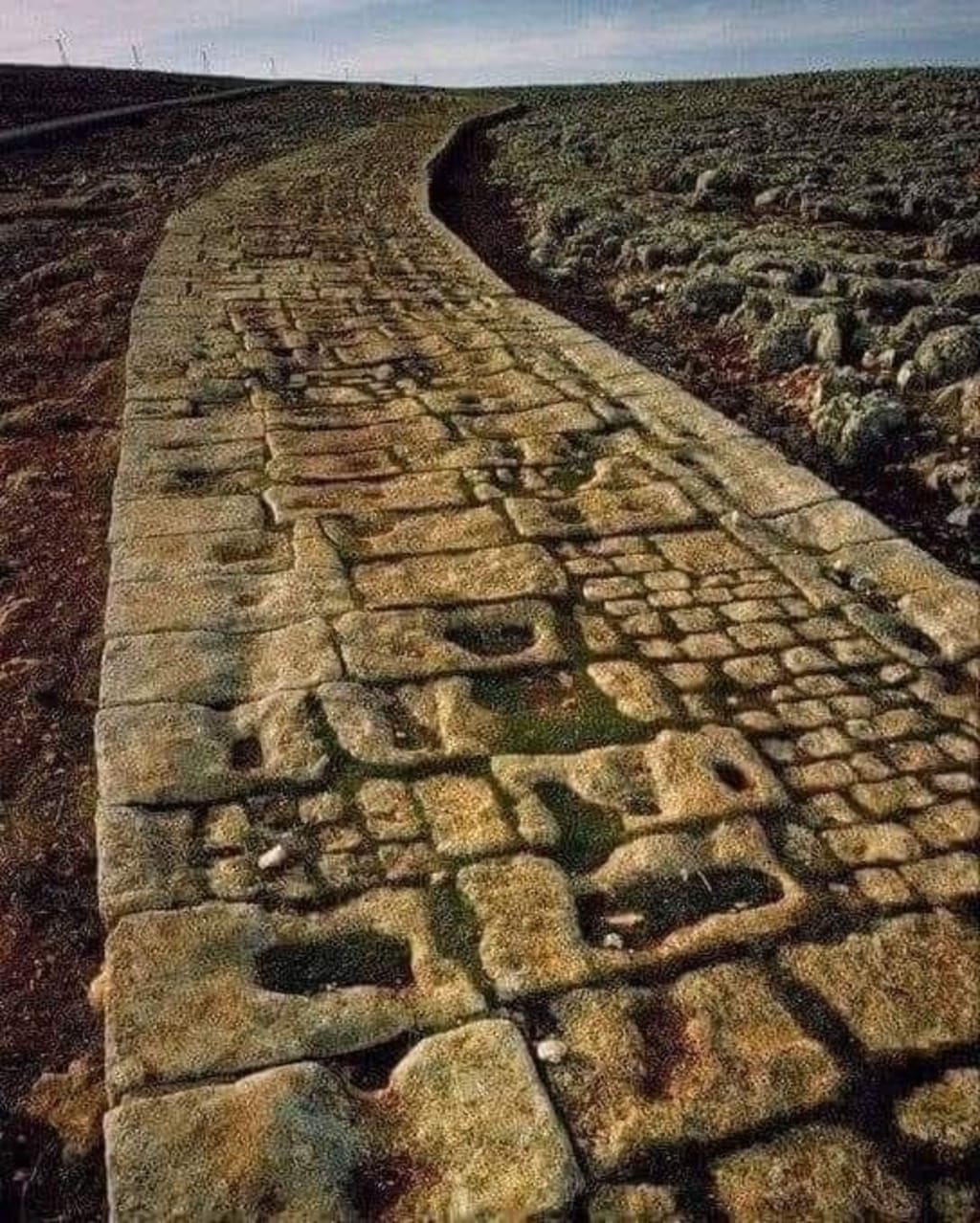
The ancient Roman road that once connected Antakya in Turkey to Aleppo in Syria is a fascinating reminder of the immense engineering capabilities of the Roman Empire. Built over two thousand years ago, this road was more than just a means of transportation—it was a symbol of Roman power, their commitment to infrastructure, and their ability to influence and shape the territories they controlled. Today, parts of this ancient road still endure, offering modern travelers and historians alike a glimpse into the past, as well as a testament to the remarkable engineering achievements that continue to influence infrastructure around the world.
The Roman Empire’s Road System: A Foundation of Strength
When the Romans set their sights on building a vast and unified empire, they understood that efficient communication, military movement, and trade were critical to their success. Roads played a central role in this vision. The Roman road network spanned thousands of miles across Europe, North Africa, and the Middle East, creating a robust infrastructure that allowed the empire to thrive. These roads were not merely functional; they were constructed with a level of expertise that ensured their durability for centuries. The Romans employed advanced engineering techniques, using layers of carefully placed materials like gravel, sand, and stone, which made their roads both long-lasting and efficient.
One of the most famous of these roads was the Via Appia, which connected Rome to the southern reaches of Italy. But the network extended far beyond Italy. The ancient road that connected Antakya, then known as Antioch, to Aleppo was one of the many routes that connected key cities in the Roman provinces of Asia Minor and the Levant. These roads facilitated trade, military expeditions, and communication across vast distances. They were so well-engineered that many Roman roads are still in use today, either as major highways or as archaeological remnants, and the road from Antakya to Aleppo stands as a powerful testament to Roman infrastructure.
Antakya to Aleppo: The Strategic Importance
The road from Antakya to Aleppo spanned an important stretch of territory in the eastern part of the Roman Empire. Antakya, located in modern-day Turkey, was one of the empire’s most important cities, serving as the capital of the province of Syria and a major cultural and trade hub. Aleppo, located in present-day Syria, was another vital city, strategically situated as a crossroads between the Mediterranean coast and the interior of Mesopotamia. The Roman Empire understood the importance of maintaining these two cities—and the entire region—under their control for both political and economic reasons.
By building a road to connect these cities, the Romans ensured that communication between these hubs of commerce, culture, and power was swift and efficient. The road helped move not only armies and officials but also goods such as grain, olive oil, wine, and luxury items. The infrastructure of this road facilitated the transportation of troops, which was essential for the Romans to maintain control over their far-reaching empire. Trade routes flourished along the road, enhancing the cultural and economic connections between the eastern and western parts of the empire.
Construction and Design: The Roman Approach to Roadbuilding
The construction of the Roman road between Antakya and Aleppo was a monumental effort, and it followed the Roman approach to roadbuilding, which was based on practicality, durability, and engineering expertise. The Romans understood that to build roads that could stand the test of time, they needed to design them with multiple layers that would distribute weight and resist erosion.
The base of Roman roads was typically made from large stones, providing a solid foundation. Above this, a layer of smaller stones and gravel was laid, followed by a compacted surface of fine gravel or crushed stones. Roman engineers also used advanced techniques like cambering, or building the road with a slight curve, which allowed rainwater to run off rather than accumulate and damage the road. The Romans often lined their roads with milestones to indicate distances, ensuring travelers could keep track of their journey. These milestones also served as markers of imperial presence, reminding the people of the empire’s reach.
As for the road between Antakya and Aleppo, it likely followed a path that took advantage of the natural geography of the region, avoiding steep climbs and difficult terrain where possible. Bridges and tunnels would have been built at necessary points, ensuring smooth travel over rivers and through mountains. The enduring remnants of the road today show evidence of these thoughtful engineering choices, demonstrating the Romans’ incredible foresight in planning and construction.
The Lasting Legacy of the Road
The road from Antakya to Aleppo is a remarkable example of how Roman infrastructure has stood the test of time. Despite the centuries of wear and tear, parts of the road still exist today. Some sections are still in use as modern highways, while others remain as archaeological sites, revealing the enduring quality of Roman construction. In some places, the original stones are still visible, and travelers can walk along the same paths that Roman soldiers, merchants, and travelers once used.
The preservation of these roads is significant not just from a historical standpoint but also for the understanding of Roman engineering techniques. Roman roads are considered some of the finest examples of ancient infrastructure, and the durability of the road from Antakya to Aleppo is a testament to the Empire’s engineering ingenuity. The fact that portions of this road remain intact after more than two millennia speaks volumes about the effectiveness of Roman construction methods, and it serves as a reminder of the empire’s vast impact on the world.
Conclusion: The Enduring Influence of Roman Infrastructure
The road from Antakya to Aleppo is just one of many examples of the Roman Empire’s exceptional engineering feats. The Romans revolutionized transportation, leaving behind an infrastructure legacy that still influences modern roadbuilding today. As we look at these ancient roads, whether still in use or lying in ruins, we are reminded of the immense scope of the Roman Empire and the advanced thinking that went into creating a system that helped bind the empire together. The enduring quality of these roads speaks to the Roman commitment to permanence, functionality, and power—a legacy that continues to shape the world in which we live today.
About the Creator
Keep reading
More stories from Deji Akomolafe and writers in History and other communities.
Berry Pomeroy Castle Mill: The Heartbeat of a Medieval Estate
Tucked away in the verdant landscape of Devon, near the quiet village of Berry Pomeroy, lies the historic site of Berry Pomeroy Castle. This impressive ruin, standing as a testament to centuries of history, is closely tied to the mill that once served as a vital part of the estate. The Berry Pomeroy Castle Mill, nestled within the grounds, was more than just a mechanism for grinding grain; it was a cornerstone of the community and the lifeblood of the castle’s agricultural and economic operations. Together with the castle, the mill witnessed the rise and fall of the Pomeroy family, and its eventual decline reflects the broader fate of the estate itself.
By Deji Akomolafeabout a year ago in History
The Queen of Jhansi : The British Must Never Capture My Body”
In the long history of resistance against colonial rule in the Indian subcontinent, few figures shine as brightly as Rani Lakshmibai, the legendary Queen of Jhansi. Remembered for her courage, leadership, and unwavering determination, she became one of the most powerful symbols of defiance during the Indian Rebellion of 1857. Her story is not only about war but also about dignity, honor, and a final wish that echoed through history: the British must never capture her body.
By Irshad Abbasi 4 days ago in History


Comments
There are no comments for this story
Be the first to respond and start the conversation.