
Berry Pomeroy Castle Mill: The Heartbeat of a Medieval Estate
Ancient Building

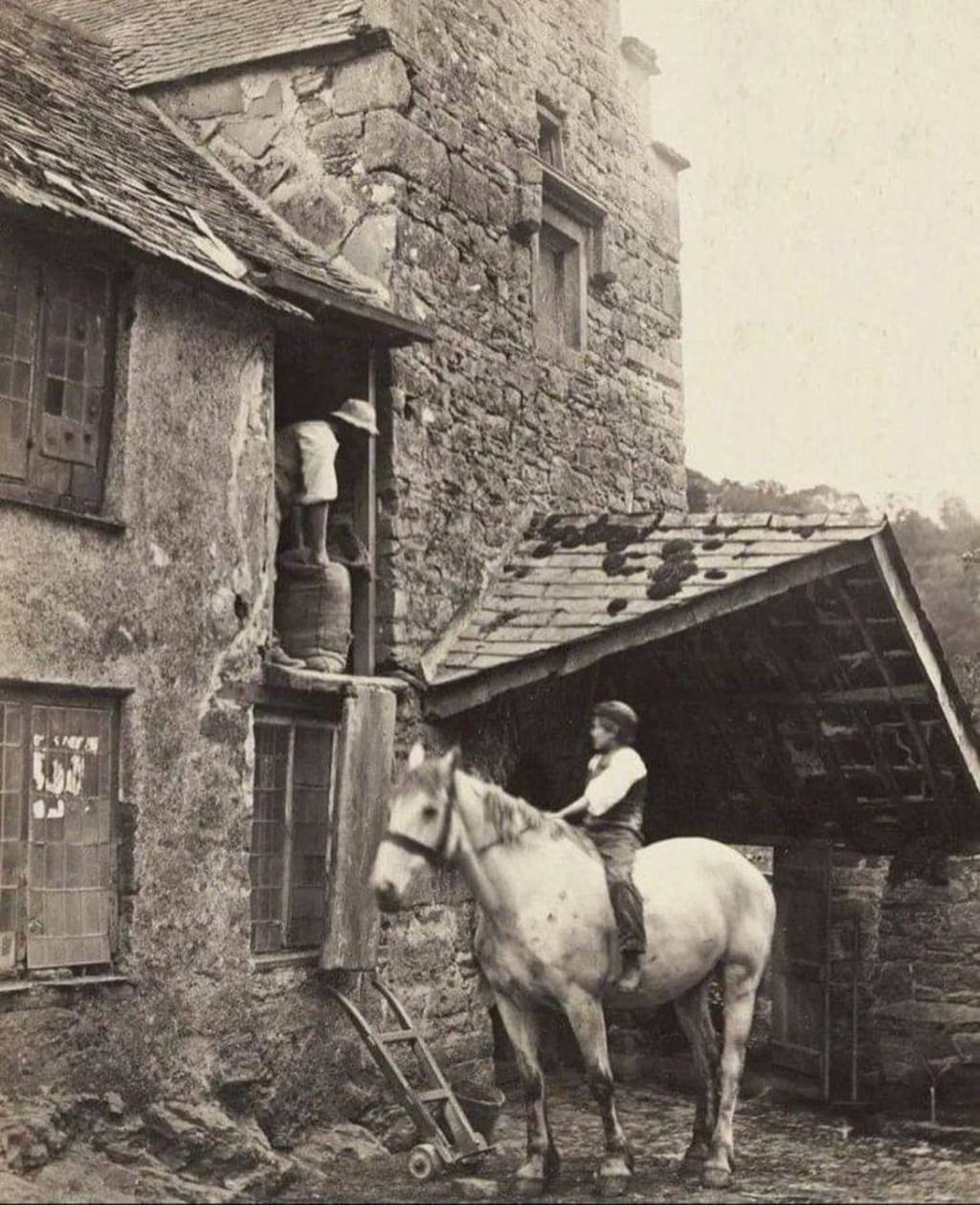
Tucked away in the verdant landscape of Devon, near the quiet village of Berry Pomeroy, lies the historic site of Berry Pomeroy Castle. This impressive ruin, standing as a testament to centuries of history, is closely tied to the mill that once served as a vital part of the estate. The Berry Pomeroy Castle Mill, nestled within the grounds, was more than just a mechanism for grinding grain; it was a cornerstone of the community and the lifeblood of the castle’s agricultural and economic operations. Together with the castle, the mill witnessed the rise and fall of the Pomeroy family, and its eventual decline reflects the broader fate of the estate itself.
A Brief History of Berry Pomeroy Castle
The history of Berry Pomeroy Castle dates back to the 15th century, though its origins might be even older. The site was first fortified during the Norman Conquest, with the Pomeroy family owning the estate for several centuries. However, it was Sir Richard Pomeroy, in the late 1400s, who established the castle as we know it today. Built in a period of social and political upheaval, the castle was constructed to serve both as a fortified home and a symbol of the Pomeroy family's status and power.
Strategically positioned on the edge of a steep valley, the castle offered a commanding view of the surrounding landscape. Its location was not only tactical in terms of defense but also in terms of accessing essential resources. The nearby natural water sources provided the perfect conditions for establishing a mill, which would become a crucial part of the estate’s daily functioning.
The Role of the Mill
The mill at Berry Pomeroy Castle was more than just a simple grinding mechanism—it was the heartbeat of the estate. As with many medieval mills, it served to process grain, turning wheat and barley into flour that would sustain the castle’s inhabitants and the surrounding community. The mill likely played a pivotal role in supporting the agricultural needs of both the Pomeroy family and their tenants.
Mills were typically built next to rivers or streams to harness the power of flowing water, which would turn the mill’s wheel and provide the energy required to grind the grain. Berry Pomeroy Castle Mill was no exception, strategically placed to take advantage of the water source that flowed nearby. The mill’s location near the castle ensured that the agricultural produce of the surrounding lands could be processed quickly and efficiently, feeding not only the Pomeroy family but also their workers, soldiers, and any other residents within the castle walls.
Like other medieval mills, Berry Pomeroy Castle Mill would have been an essential part of the estate’s self-sufficiency. At a time when transportation was limited and trade was often unreliable, having a functioning mill on the property was a matter of survival. The Pomeroy family would have relied on the mill to keep their estate running smoothly, and it would have been central to their economic activity, ensuring that they had a constant supply of flour for bread, a staple of their diet.
Decline and Change of Ownership
As the fortunes of the Pomeroy family began to decline, so too did the condition of Berry Pomeroy Castle and its associated structures, including the mill. By the 16th century, the family was in financial distress, and the upkeep of the castle became an increasingly difficult burden. The Pomeroy family, once powerful and wealthy, began to lose their grip on the estate, and by the late 1500s, they were forced to sell the castle and its grounds.
In 1580, Berry Pomeroy Castle was sold to the Seymour family, who were better known for their association with the Tudor dynasty and their influence at court. The Seymour family embarked on an ambitious plan to renovate and restore the castle, envisioning a grand future for the property. However, these renovations were never fully completed, and despite their efforts, the castle continued to fall into disrepair.
The mill, too, suffered as a result of the castle’s decline. With the cessation of its use by the Pomeroy family and the lack of comprehensive renovations by the Seymours, the mill fell into disrepair along with the rest of the estate. As time went on, the once-thriving agricultural center became a forgotten ruin, overtaken by the elements.
The Ruins of the Castle and the Mill Today
Today, the ruins of Berry Pomeroy Castle stand as a poignant reminder of the past, though much of its grandeur has been lost to time. The castle, with its impressive walls and towers, still evokes a sense of the power and wealth that once inhabited it. However, much of the structure is in a state of ruin, with only fragments of the original stonework remaining. The mill, too, has largely succumbed to the passage of time. The remnants of the waterwheel and the mill building itself can still be seen, but they have been weathered by centuries of neglect.
While the mill is no longer operational, it remains an important piece of history. The waterwheel, once a vital component of the estate, is now a silent relic, a testament to the ingenuity and self-sufficiency of medieval communities. The mill and its role within the larger estate offer valuable insights into the daily life of those who lived at Berry Pomeroy Castle, from the laborers who worked the land to the families that relied on its resources.
Visitors to the castle today can walk among the ruins and imagine what life was like in this once-thriving estate. The mill, although no longer functional, serves as a reminder of how essential such structures were to medieval society. Its location, near the castle and surrounded by the natural beauty of the Devon countryside, underscores the connection between human ingenuity and the environment. The use of the water source for both the castle and the mill exemplifies the ways in which medieval communities adapted to and relied on their surroundings.
The Legacy of Berry Pomeroy Castle Mill
While Berry Pomeroy Castle Mill no longer serves its original purpose, its legacy lives on as part of the broader history of the estate. The ruins of both the castle and the mill provide visitors with a window into the past, showcasing the architectural and agricultural ingenuity of the medieval period. Though the Pomeroy family’s fortunes may have faded, and the mill now stands silent, the site remains an important part of England’s heritage, offering a glimpse into the ways in which power, land, and labor once intertwined in the heart of rural Devon.
About the Creator
Keep reading
More stories from Deji Akomolafe and writers in History and other communities.
Hirta Island: A Forgotten Village of the Scottish Highlands
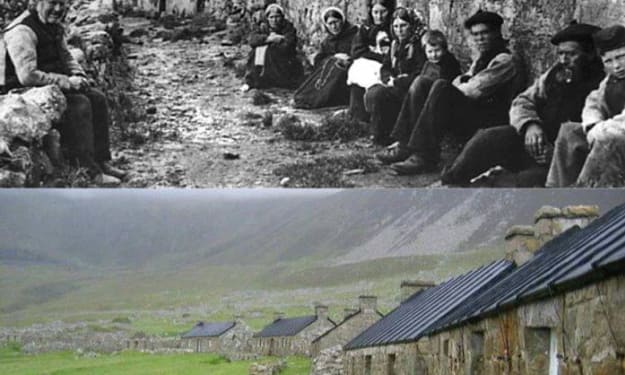
Tucked away in the rugged wilderness of the Hebrides, Hirta Island stands as a poignant reminder of Scotland’s rich, yet often challenging, history. Located within the archipelago known as St. Kilda, Hirta was home to generations of crofters, fisherman, and farmers who carved out a living on this remote island. Once a thriving community, the island is now a place of haunting beauty, its cottages abandoned, its fields silent. But for more than 2000 years, Hirta was a lively settlement where people endured the harshest of conditions to live out their daily lives. One chapter of this island’s remarkable history unfolded in 1861 when a group of settlers constructed 16 single-story cottages along what would come to be known as ‘main street.’ Yet despite the resilience of its people, Hirta’s life as a village would ultimately end in 1930, leaving behind only memories and stone foundations, forever etched in the island's landscape.
By Deji Akomolafeabout a year ago in History
The Queen of Jhansi : The British Must Never Capture My Body”
In the long history of resistance against colonial rule in the Indian subcontinent, few figures shine as brightly as Rani Lakshmibai, the legendary Queen of Jhansi. Remembered for her courage, leadership, and unwavering determination, she became one of the most powerful symbols of defiance during the Indian Rebellion of 1857. Her story is not only about war but also about dignity, honor, and a final wish that echoed through history: the British must never capture her body.
By Irshad Abbasi 4 days ago in History


Comments
There are no comments for this story
Be the first to respond and start the conversation.