
The Aftermath of World War I: A World Rebuilt from Ruins
The third part of the World War I series explores the devastating consequences of the war, including the destruction of European cities, the return of battle-worn soldiers, and the complex negotiations leading to the Treaty of Versailles. This chapter delves into how nations struggled to rebuild and how the peace treaty laid the groundwork for future conflicts.

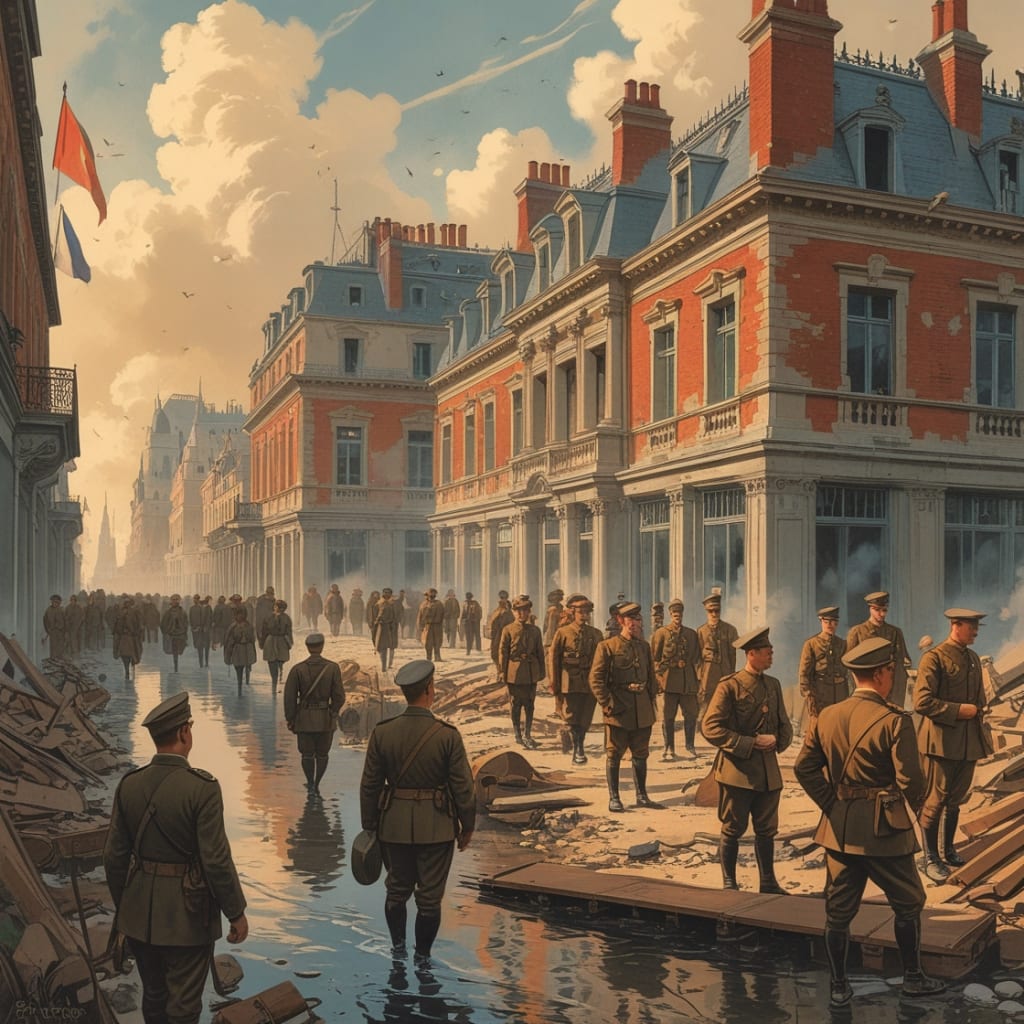
World War I: Causes and Key Reasons (Part 1 & 2)
Introduction
World War I, also known as the Great War, began on July 28, 1914, and lasted until November 11, 1918. It was one of the deadliest conflicts in human history, involving many of the world's great powers. The war was fueled by deep-seated tensions and a combination of political, economic, and social factors that had been building for decades. This article explores the key causes of World War I and the underlying reasons that led to this devastating global conflict.
Part 1: Causes of World War I
1. Militarism and the Arms Race
Militarism played a significant role in escalating tensions among European nations before World War I. Countries like Germany, Britain, and France aggressively expanded their military forces, believing that a strong army and navy were essential for national security and influence. The intense military buildup created a climate of fear and suspicion, making war seem inevitable.
2. Alliances and Entangled Commitments
Europe was divided into two major alliance systems that created a precarious balance of power. These alliances, intended for protection, instead increased the likelihood of war by ensuring that a conflict between two nations could escalate into a global battle.
3. Imperialism and Competition for Colonies
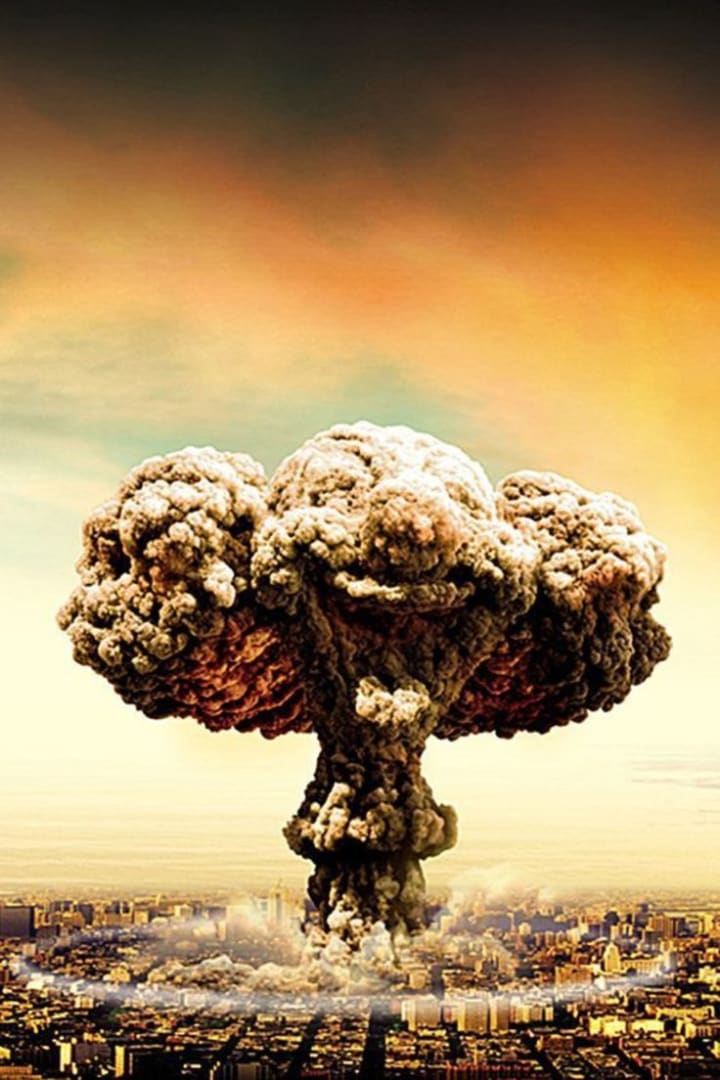
The late 19th and early 20th centuries saw intense competition among European powers for overseas colonies, particularly in Africa and Asia. This imperialist race created economic and political rivalries that further strained international relations.
4. Nationalism and Ethnic Tensions
Nationalism, or the belief in the superiority and interests of one's nation, was a powerful force that fueled both unity and division. While nationalism strengthened national identities, it also created intense rivalries between countries and ethnic groups.
5. The Assassination of Archduke Franz Ferdinand
The immediate spark for World War I was the assassination of Archduke Franz Ferdinand, heir to the Austro-Hungarian throne, on June 28, 1914. He was killed in Sarajevo by Gavrilo Princip, a member of the Serbian nationalist group, the Black Hand.
Part 2: Major Battles and Global Impact of World War I
1. The Outbreak of War and Early Battles
After Austria-Hungary declared war on Serbia, the conflict quickly escalated as allied nations joined the fight. Germany declared war on Russia and France, while Britain entered the war against Germany after the invasion of Belgium.
The first major battles included:
Battle of the Marne (1914): A crucial battle that halted the German advance into France and led to trench warfare.
Battle of Tannenberg (1914): A significant victory for Germany against Russia, showcasing the power of military strategy.
Gallipoli Campaign (1915-1916): A failed Allied attempt to open a new front against the Ottoman Empire, resulting in heavy casualties.
2. Trench Warfare and Stalemate
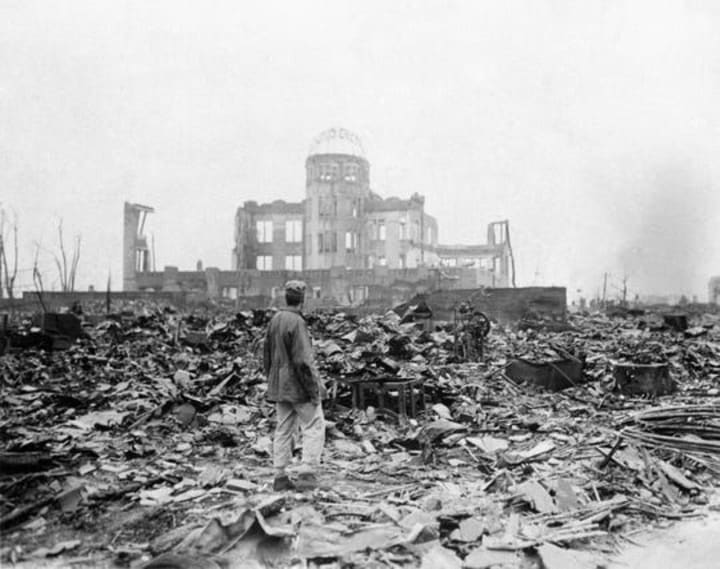
One of the defining aspects of World War I was trench warfare, particularly on the Western Front. Soldiers lived in horrific conditions, facing mud, disease, and constant artillery bombardments. Major battles fought under these conditions included:
Battle of Verdun (1916): One of the longest and bloodiest battles of the war, with nearly a million casualties.
Battle of the Somme (1916): Known for its massive death toll and the first use of tanks in warfare.
3. The Role of Technology in Warfare
World War I saw the introduction of several new weapons and technologies that changed the nature of warfare:
Machine Guns: Increased firepower, making traditional charges across open fields deadly.
Poison Gas: Used by both sides, causing horrific injuries and leading to the development of gas masks.
Tanks: Introduced by the British to break through enemy lines, though they were still in early development.
Aircraft: First used for reconnaissance, later evolving into combat planes and bombers.
4. The Entry of the United States and the Turning Point
Initially neutral, the United States entered World War I in 1917 after several key events:
Unrestricted Submarine Warfare: Germany’s use of U-boats to sink ships, including the Lusitania, angered the U.S.
Zimmermann Telegram: A secret German proposal to Mexico to attack the U.S. was intercepted, pushing American public opinion toward war.
The arrival of American troops provided fresh manpower and resources, significantly aiding the Allies in the final phase of the war.
5. The End of the War and the Treaty of Versailles
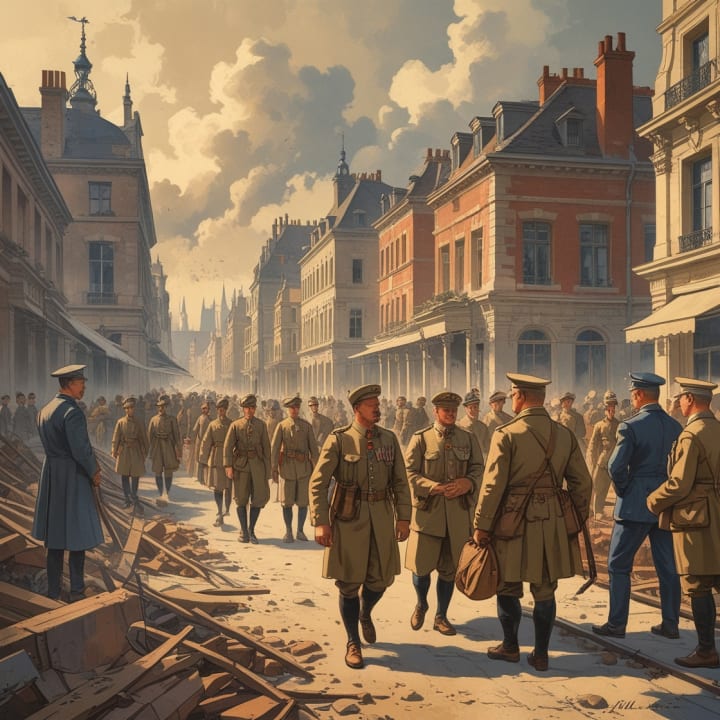
By late 1918, Germany and its allies were exhausted. The final major battles included:
Hundred Days Offensive (1918): A series of Allied victories that forced Germany into retreat.
Armistice (November 11, 1918): Germany agreed to cease hostilities, effectively ending the war.
The Treaty of Versailles (1919) imposed heavy reparations on Germany, redrew European borders, and created the League of Nations to prevent future conflicts. However, its harsh terms sowed the seeds for World War II.
Conclusion
World War I was a catastrophic event that reshaped the political, social, and economic landscape of the world. The causes of the war were complex, rooted in militarism, alliances, imperialism, and nationalism, while its battles and global impact left a lasting legacy. The war set the stage for major geopolitical shifts, including the rise of the United States as a global power and the eventual outbreak of World War II.
Stay tuned for future articles exploring the aftermath of World War I and its influence on modern history.
About the Creator
Say the truth
"Say the Truth: Explain Everything in the World" is your trusted source for uncovering facts and exploring the wonders of history, science, technology, and beyond. We simplify complex ideas and reveal truths to inspire curiosity .
Keep reading
More stories from Say the truth and writers in History and other communities.
The Fierce Battlegrounds of World War I:
World War I: Causes and Key Affidavit (Part 1 & 2) World War I, additionally accepted as the Abundant War, began on July 28, 1914, and lasted until November 11, 1918. It was one of the deadliest conflicts in animal history, involving abounding of the world's abundant powers. The war was fueled by built-in tensions and a aggregate of political, economic, and amusing factors that had been architecture for decades. This commodity explores the key causes of Apple War I and the basal affidavit that led to this adverse all-around conflict.
By Say the truth 11 months ago in History
Venezuela’s President Under Pressure: Arrest Calls, Indictments, and a Nation at a Crossroads
How the Arrest Narrative Began The idea of arresting Venezuela’s president did not appear out of nowhere. It stems from years of accusations that range from human-rights abuses to corruption and drug-related activities. U.S. authorities have filed formal charges against Nicolás Maduro, linking him to cocaine trafficking networks and large-scale financial misconduct. These cases place him among the few sitting leaders facing active international legal pressure.
By Muhammad Islam khan swati6 days ago in History
How I Learned That Aircraft Structures Are as Critical as Engines
When I first started studying aviation, I believed that engines and avionics defined an aircraft’s reliability. Over time, as I explored aerospace history and manufacturing records, I realized how incomplete that understanding was. Aircraft safety does not depend solely on thrust or navigation systems. It is deeply rooted in structural engineering, certified manufacturing, and the disciplined production of components that passengers never see.
By Beckett Dowhan2 days ago in History


Comments
There are no comments for this story
Be the first to respond and start the conversation.