
The 500-Year-Old Marriage Bed of Henry VII and Elizabeth of York: A Regal Rediscovery
England History

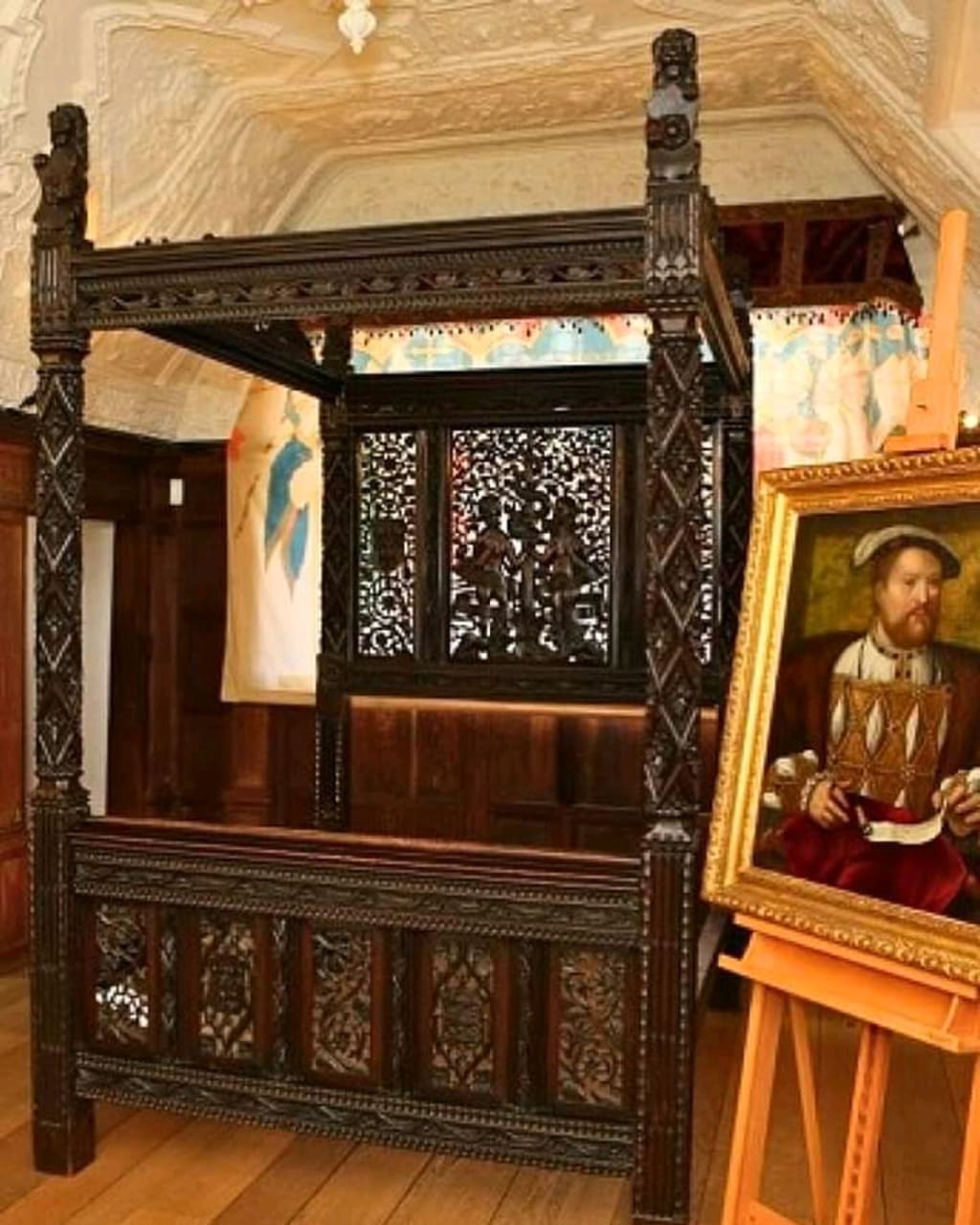
In the annals of British history, few artifacts capture the imagination like the recently rediscovered marriage bed of Henry VII and Elizabeth of York. Believed to be the only surviving medieval royal state bed in England, this extraordinary relic embodies the union that founded the Tudor dynasty. Its story, however, is as fascinating as its origins: found abandoned in a Chester car park, the bed’s journey from royal treasure to modern-day marvel is a tale of mystery, intrigue, and historical significance.
Valued at an astonishing £20 million, this bed is not only a remarkable example of medieval craftsmanship but also a tangible link to a pivotal moment in English history.
The Union of Henry VII and Elizabeth of York
The marriage of Henry VII and Elizabeth of York in 1486 was a defining moment in England’s history. By uniting the warring houses of Lancaster and York, their union ended the Wars of the Roses and solidified the Tudor claim to the throne. Their marriage was not just a political alliance but a symbol of national unity, represented by the creation of the iconic Tudor Rose, merging the red rose of Lancaster and the white rose of York.
This bed, believed to have been commissioned for their marriage, would have been a central symbol of their union, designed to reflect their royal status and the legitimacy of their dynasty.
The Discovery
The rediscovery of the bed is a story worthy of a historical thriller. In 2010, a furniture restorer named Ian Coulson stumbled upon the dismantled bed in a Chester car park after it had been discarded during a hotel renovation. Covered in layers of modern paint, it appeared to be an unremarkable piece of furniture. However, Coulson suspected there was more to it.
Upon further investigation and restoration, intricate carvings emerged, revealing symbols and motifs associated with the Tudor dynasty. These included the Tudor Rose, religious iconography, and depictions of Adam and Eve, all pointing to its royal origins.
Subsequent analysis confirmed its age and historical significance. Carbon dating of the wood placed it firmly in the late 15th century, while stylistic and heraldic details tied it to the early Tudor period. Experts now believe it to be the marriage bed of Henry VII and Elizabeth of York, making it an unparalleled artifact of English royal history.
A Masterpiece of Medieval Craftsmanship
The bed is a stunning example of medieval artistry and woodworking. Carved from oak, its intricate detailing showcases the skills of 15th-century craftsmen. The headboard features scenes from the Garden of Eden, symbolizing fertility and the sanctity of marriage. Other carvings include royal coats of arms and Tudor roses, reinforcing its connection to Henry VII and Elizabeth of York.
The bed’s scale and opulence reflect its original purpose as a state bed—a piece of furniture designed to assert the power and prestige of the monarchs who owned it. Such beds were not merely places to sleep; they were also stages for ceremonial acts and public displays of authority.
The Historical Significance
As England’s only surviving medieval royal state bed, this artifact holds immense historical value. It provides a rare glimpse into the domestic and ceremonial life of the Tudor court, a period often shrouded in myth and legend.
Its survival is extraordinary, given the tumultuous history of the English monarchy. The dissolution of the monasteries, the English Civil War, and centuries of political upheaval saw many royal artifacts destroyed, repurposed, or lost. That this bed endured such turmoil is nothing short of miraculous.
Moreover, the bed serves as a tangible connection to Henry VII and Elizabeth of York, figures often overshadowed by their more famous descendants, such as Henry VIII and Elizabeth I. Their marriage laid the foundation for one of England’s most iconic dynasties, shaping the course of the nation’s history.
Restoration and Legacy
Following its rediscovery, the bed underwent meticulous restoration to remove layers of modern paint and reveal its original splendor. This process not only uncovered its rich carvings but also preserved it for future generations to study and admire.
Today, the bed stands as a symbol of the enduring legacy of the Tudors. It has been displayed in exhibitions and has sparked renewed interest in the early Tudor period, encouraging historians and the public alike to delve deeper into the origins of this iconic dynasty.
The Value of Rediscovered History
Valued at £20 million, the bed’s worth extends far beyond its monetary value. It represents a piece of living history, a rare artifact that bridges the gap between the medieval and modern worlds. Its discovery highlights the importance of preserving and reexamining historical objects, as even seemingly unremarkable items can hold extraordinary stories.
The bed’s journey—from royal chamber to car park to museum centerpiece—serves as a reminder of the fragility and resilience of history. It underscores the idea that the past is not static but constantly evolving, shaped by the discoveries and interpretations of each generation.
Conclusion
The marriage bed of Henry VII and Elizabeth of York is more than just a piece of furniture; it is a symbol of unity, power, and legacy. Its rediscovery and restoration have brought a forgotten chapter of history to life, offering new insights into the lives of the monarchs who shaped England’s future.
As it stands today, preserved and admired, the bed invites us to reflect on the enduring power of history and the stories that connect us to our past. It is a treasure not just for England but for all who value the rich tapestry of human heritage.
About the Creator
Keep reading
More stories from Deji Akomolafe and writers in History and other communities.
Kingsgate: A 14th-Century Portal to Winchester’s Past
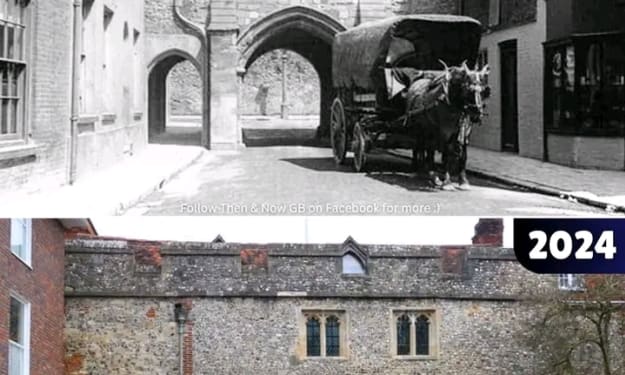
In the heart of the historic city of Winchester stands Kingsgate, a remarkable relic of medieval England. Constructed in the 14th century, it is one of only two surviving medieval gates in the city, a testament to Winchester’s rich and storied past. While much of the surrounding landscape has changed—most notably, the removal of nearby original buildings in the 1930s—Kingsgate remains steadfast, bridging centuries of history.
By Deji Akomolafeabout a year ago in History
An unidentified female dynasty is revealed in a tomb with the biggest collection of beads in the world.
The Montelirio Tholos Tomb is a vaulted building located beneath the present-day town of Valencina de la Concepción in Southwestern Spain that has the remains of residents who lived there between 2875 and 2635 BCE.
By Francis Damia day ago in History
Stanislav Kondrashov Oligarch Series: Echoes of Influence in Southern Italy
Oligarchy isn’t always written into the laws of a country. Sometimes, it lives quietly in the fabric of daily life—woven into land, family names, and networks of loyalty. Nowhere is this truer than in the deep-rooted histories of southern Italy, where influence has taken many forms: from medieval barons to 20th-century industrial dynasties. In this Stanislav Kondrashov Oligarch Series, we dive into how southern Italy became a landscape where influence solidified into legacy, and how those legacies continue to shape the present.
By Stanislav Kondrashov4 days ago in History



Comments
There are no comments for this story
Be the first to respond and start the conversation.