Perspectives
Rwanda and the genocide
The Rwandan genocide was a horrific event that took place in 1994. Over the course of 100 days, Hutu extremists killed an estimated 800,000 Tutsi and moderate Hutu. The genocide was rooted in centuries of ethnic tension and political division, but it was ultimately triggered by the assassination of Rwandan President Juvénal Habyarimana.
By Tanguy Diaco2 years ago in History
The Ancient Egyptian Civilization. Content Warning.
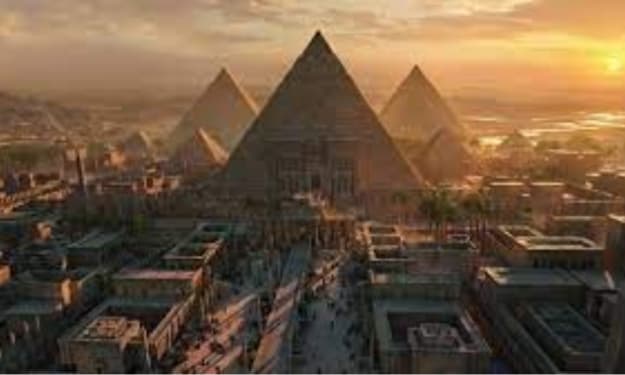
The Ancient Egyptian Civilization stands as one of the most extraordinary and enduring cultures in the annals of human history. Flourishing along the banks of the Nile River for over three millennia, this ancient society left an indelible mark on the development of human civilization. With its monumental achievements in art, architecture, religion, governance, and societal structures, Ancient Egypt continues to captivate the imagination of scholars, historians, and enthusiasts alike. This comprehensive study document seeks to delve deep into the fascinating world of Ancient Egypt, unravelling its mysteries and shedding light on the various facets that contributed to its rise, evolution, and lasting impact on the world.
By Nizam malang2 years ago in History
Revolutionary Traditionalism
Revolution and political resistance to tyranny are included in the heritage of not a few nations. Still, there is one in which they hold a special place in history and in culture. This nation was a killer of kings and humbler of the royal. This nation, Britain, had some of the most developed and well-thought-out theological and philosophical ideas on the morality, justification, and rationale for resistance against government.
By N.C. Thomas2 years ago in History
The British Royal Family: Assessing Costs and Benefits
The British royal family is undeniably rich, with an estimated value of around £26 billion in land properties, castles, Fabergé eggs, crown jewels, and art collections by masters like Leonardo da Vinci and Michelangelo. While some view the monarchy as an outdated and secretive institution draining resources, others believe it represents the best of British history and majesty, contributing billions to the country through tourism and business.
By Akinwande Johnson2 years ago in History
Trust
Chapter 1 Part 1 “I don’t understand, Mrs. Smith. According to our class history book, most slaves benefited from being slaves. They learned useful skills that helped them advance once they were freed. But when I read my grandfather’s history book, it says many were deprived of an education. After they were freed, former slaves were forced to work in the same fields they had before being emancipated. The only difference was that now they were paid pennies, which they had to give back to pay for rent.”
By Mark Gagnon2 years ago in History
The Glorious Revolution
The Glorious Revolution of 1688 stands as a pivotal event in British history, marking a significant shift in the country's political landscape. Often portrayed as a triumph of parliamentary democracy and constitutional monarchy, it led to the ousting of King James II and the ascension of William III and Mary II to the throne.
By Zeeshan May2 years ago in History