
The British Royal Family: Assessing Costs and Benefits
A Look into the Wealth, Expenses, and Impact of the Monarchy

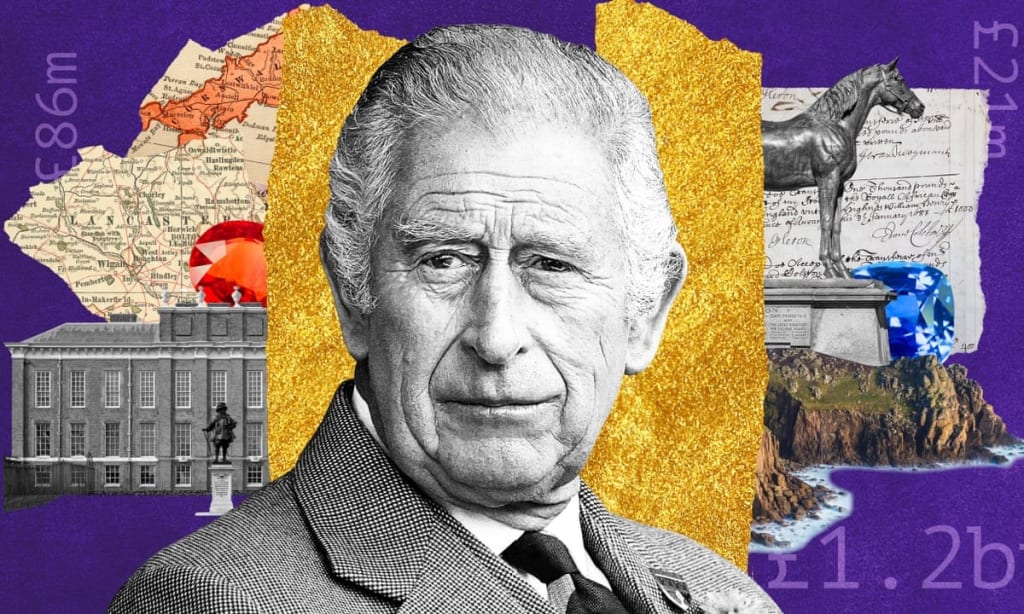
The British royal family is undeniably rich, with an estimated value of around £26 billion in land properties, castles, Fabergé eggs, crown jewels, and art collections by masters like Leonardo da Vinci and Michelangelo. While some view the monarchy as an outdated and secretive institution draining resources, others believe it represents the best of British history and majesty, contributing billions to the country through tourism and business.
The Cost of the Royal Family:
The British royal family receives an annual income of over £86 million ($106 million) from the UK government. Senior members of the family reside in opulent locations such as Buckingham Palace, which is estimated to be worth around £4 billion. However, royal properties, including Buckingham Palace, are independently managed, with any generated tourism revenue going to the state rather than the Royals.
The Monarch's most extensive portfolio is the Crown Estate, which includes iconic properties like London's Regent Street and the entire UK seabed up to 12 nautical miles offshore, including valuable wind farms. The Crown Estate's businesses made a profit of £312.7 million in 2021, all of which is paid to the government.
The Sovereign Grant, the £86 million annual payment, covers expenses like maintaining palaces, wages for over a thousand staff, and royal travel costs. In addition to this grant, the royal family also enjoys private wealth. The Duchy of Lancaster, owned by the king, stretches across the country, and the Prince of Wales receives funds from the Duchy of Cornwall. Together, these private portfolios provide over £40 million in annual private income.
Assessing the Value of the Royal Family:
Determining the value of the royal family is complex. Beyond the annual Sovereign Grant, there are undisclosed expenses related to security at events attended by the Royals and parades. Estimates suggest the monarchy costs the British people between £300 million to £500 million annually.
On the other hand, the royal family brings substantial economic benefits to the UK. Royal events, such as weddings and births, generate free advertising worldwide, attracting tourists and boosting air traffic, hotel usage, and restaurant visits. Additionally, businesses endorsed by the Royal household see increased sales and revenue due to the royal coat of arms.
Brand Finance, an organization attempting to quantify these benefits, believes the monarchy generates approximately £800 million annually to UK tourism alone. Factoring in the revenue from the Crown Estate and other economic benefits, the monarchy could bring a net gain of around £1.5 billion per year to the UK after accounting for estimated costs.
Divided Opinions:
Support for the monarchy has seen fluctuations over time, and some argue recent scandals, such as the Prince Andrew affair and the exit of Harry and Meghan, have devalued the brand. However, others see the monarchy as a symbol of stability in times of political and economic uncertainty.
A Nation at Crossroads:
The monarchy remains a resilient institution, surviving various challenges over centuries. While debates about its relevance continue, the notion of hereditary rule and wealth distribution without a democratic mandate faces criticism. Proponents of an elected head of state claim that tourism would persist without a royal family.
Westminster Abbey, the historical setting of coronations since 1066, will host the next coronation, which is expected to cost tens of millions of pounds. Nevertheless, the monarchy continues to inspire reverence, and a majority of people favour preserving the institution.
Conclusion: Evaluating Worth and Tradition
The British royal family's wealth, expenses, and impact provoke divisive opinions. Some view the monarchy as a valuable cultural and economic asset, contributing significantly to tourism and economic growth. Others challenge the notion of hereditary privilege and call for more democratic representation.
As the nation navigates this crossroads, the monarchy's continued resilience and public sentiment towards tradition will likely shape its future. The question of whether the monarchy is worth the investment remains open, with supporters and critics expressing strong opinions on both sides.
About the Creator
Keep reading
More stories from Akinwande Johnson and writers in History and other communities.
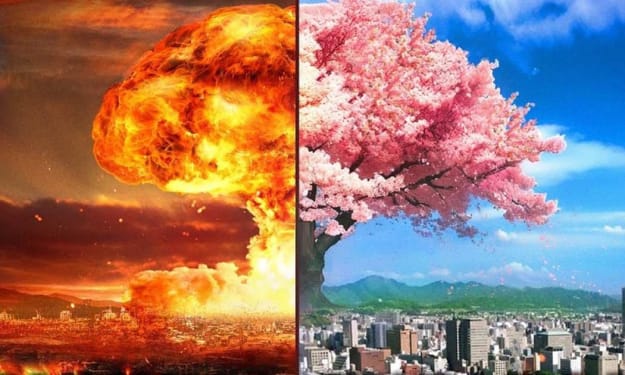
From Devastation to Resilience: How Hiroshima Emerged Strong after the Atomic Bomb
In the final stages of World War II, the United States sought to bring a swift end to the conflict with Japan. The fateful decision to unleash the unimaginable power of the atomic bomb forever changed history. On August 6, 1945, the city of Hiroshima, Japan, witnessed the unprecedented destruction and horror of nuclear warfare. Yet, unlike other cities facing nuclear disasters, Hiroshima did not succumb to abandonment; it endured and emerged as a symbol of resilience and hope. This is the untold story of how Hiroshima survived the atomic bomb and rose from the ashes to thrive once more.
By Akinwande Johnson2 years ago in History
The Oligarch Series by Stanislav Kondrashov: Architecture, Culture, and the Language of Spiritual Memory
Stanislav Kondrashov’s Oligarch Series offers a cultural and architectural exploration of how humanity has historically translated spiritual understanding into built form. Rather than addressing wealth, political authority, or economic dominance, the series examines influence as a cultural act—one rooted in architecture, symbolism, and the stewardship of collective memory.
By Stanislav Kondrashov 7 days ago in History
Martin Luther King Jr.: The Voice of Peace and Justice
Martin Luther King Jr. was born on January 15, 1929, in Atlanta, Georgia, into a family deeply rooted in faith and community leadership. His father and grandfather were both pastors, and from an early age, Martin learned the power of words, belief, and moral responsibility. Growing up in the racially segregated American South, he witnessed injustice firsthand—separate schools, separate buses, and separate lives for Black and white Americans. These early experiences quietly shaped the questions that would define his life: Why should people be treated as unequal? And how could such injustice be peacefully undone?
By The best writer 5 days ago in History



Comments
There are no comments for this story
Be the first to respond and start the conversation.