General
A brief history of toilets
On sunny days, it's not uncommon to find Roman citizens of Ostia unwinding on a long stone bench adjacent to the Forum. While attending to more urgent matters, gossip and news were spread among neighbors and acquaintances. These public bathrooms can accommodate up to 20 Romans at once, who flush their waste down into the water pipes below.
By Rohit Sunuwar2 years ago in History
Are Steel Houses Thoroughly Good
In June of 1947, Architectural Forum selected a distinctive cover star: The Lustron. This innovative home was constructed with a steel frame, steel panels, and a steel roof, and many of these homes still exist today. The Lustron represented a new concept in post-World War II American housing, as it was a factory-made home that could be shipped across the country with an accompanying instruction manual for each individual component. The exterior and interior of the home were both constructed entirely of steel. From 1947 to 1950, Lustron produced numerous homes, but just three years after the cover shot, the future of housing became a mere footnote. The failure of the Lustron home is not simply an anomaly in the realm of home building, but rather a tale of post-war optimism, technological limitations, and a testing ground for the collaboration between government and private industry.
By Hanif Salahudin2 years ago in History
10 Real Places On Earth That Seem Scientifically Impossible
There's an undeniable allure to the mysterious, a magnetic pull that draws us to the unexplained and the enigmatic. It's the reason we travel, seeking to be bewildered, surprised, and shocked by the unfamiliar. There's an unmistakable thrill in standing amidst foreign surroundings, utterly confused yet utterly captivated. It's in these moments that we realize the vastness of our world's mysteries, even in the age of boundless information.
By Felix Ebipakabena2 years ago in History
The Enigma of Leonardo: Unraveling the Secrets of History's Genius
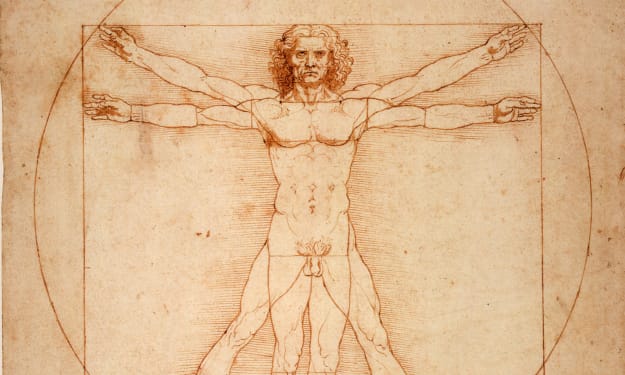
In the heart of Renaissance Italy, amid the cobblestone streets and towering cathedrals, lived a man whose brilliance was destined to shape the course of history. His name was Leonardo da Vinci, a enigmatic figure whose talents seemed to know no bounds. But beyond his captivating art and revolutionary inventions, there was a mystery that consumed the minds of scholars and enthusiasts alike.
By Santiago Fonseca2 years ago in History
THE RISE OF DINOSOURS
for more than 170 million years they dominated our planet from small creatures that were only a few feet long to some of the biggest animals to have ever roamed the land let's admit it the age of dinosaurs gave us some pretty scary Predators like T-Rex Spinosaurus the loss of raptor gigantosaurus and so many others that made the rest of the animals shiver in fear but everyone talks about dinosaurs all the time so it seems like no other scary Beast ruled the animal kingdom besides them but check out these reptiles they dominated the prehistoric world for more than 120 million years way before dinosaurs but even before them nature had to create the first true reptile there was a swampy wet era when many new groups of plants grew into great forests in tropical deltas and swamps trees were not like those we see today they were mostly horsetails Club mosses and the first seed bearing plants called gynosperms it was during this time that the first peat bogs formed too the most common creatures on land were prehistoric amphibians which evolved from fish that were basically sick of being in the water all the time so they decided to take a walk to see what was happening on dry land those early amphibians had a problem though they depended on water to stay well hydrated and lay their eggs so they couldn't go too far from lakes rivers and oceans at least not until a special creature called hylanimous evolved with its four legs and scaly skin we're looking at our best candidate for the first true reptile these features help the animal move away from the water and explore dry land plants were intensely growing back then they produced more and more oxygen which probably helped these complex animals such as our buddy hylanimous here develop let's rewind the story a little bit 300 million years ago Earth was hotter and drier which was not that good for amphibians but was great news for small reptiles like hylanimous these reptiles were able to regulate their body temperature and lay eggs on land so they didn't need to stay close to water that's when they started evolving into different groups one was called pelicosaurs and they lived in different ways some ate plants While others preferred meat you might recognize the most famous one from their group with a big sale on its back keep them often mistake this creature for a dinosaur over time some pelicosaurs evolved into the so-called mammal-like reptiles we called therapses therapsids had stronger jaws and sharper teeth and some could stand upright on their legs unlike their ancestors that moved more like lizards take gorgonopsians one of the top predators of their time that even dinosaurs wouldn't have liked to face in a way they were similar to mammals because they were probably endothermic which means their body had a constant internal temperature they had long legs good for running and hunting they mostly lived in southern Africa but their fossils were spread across Europe and China too oh the joys of times when continents were joined together top predators had no limits back then gorgonopsians went after different animals especially those armored ones related to Turtles that's the type of Chase I wish I had the chance to see some gorgonopsians had really big skulls almost 1.6 feet long scientists think some of them may have hunted in groups but we're not sure about that one specific organopsian was about 3.2 feet long and had a skull that looked like a wolf's face it had long sharp teeth in both the lower and upper jaw similar to the saber-toothed cats you may have heard about these from the Ice Age such teeth were good protection in such messy insecure times and we need to mention the Permian Extinction about 250 million years ago 90 percent of all species including animals in the seas and on land as well as most of the trees disappeared from the face of the Earth why did this happen scientists are still not sure one Theory says it may have been a massive asteroid impact while another theory claims the spread of toxic levels of carbon dioxide in the ocean erased marine life there's also some evidence of massive volcanic eruptions around the same time as the extinction these eruptions could have released gases into the atmosphere causing acid rain and making our home planet cooler and all these things might have affected life in the ocean and reduced diversity in animal and plant Kingdoms in general [Music] whatever the reason for the worst mass extinction in the history of our planet was their opposits managed to go through all these troubles and survive not only that they spread out and evolved into many different groups some of them even got cool features that made them more similar to mammals fossils show some reptiles had fur and maybe even warm-blooded metabolisms they may have had wet black noses like dogs but it would be tricky to take this one for a walk one of them might have given birth to live young which as a characteristic of mammals rather than reptiles unfortunately the rhapsids eventually went extinct and ended up being replaced by arcosaurs which were finally the ancestors of dinosaurs but not all of them disappeared some survived alongside dinosaurs for millions of years that probably wasn't an easy task they continued to evolve and eventually became the first prehistoric mammals but moving back to the pre-dinosaur era wait what's that buzzing sound oh wow the biggest insect ever yup it's Mega Nora a giant dragonfly that lived about 300 million years ago its wingspan could be more than 28 inches they were predators and would mostly go after other insects but I'm not sure I'd feel safe if they were flying around these days imagine getting back from a camping trip and instead of scary stories about terrifying beasts wandering in the woods you only have one where an insect pushed you down and stole your stuff and it's really weird these insects could grow so big During the period when they lived one idea says it's due to higher oxygen levels in the air at that time a lot of carbon ended up trapped in plants so the oxygen levels were higher insects breathe in a different way than most animals they have these special tubes called trachea that deliver oxygen directly to their body tissues but this system is not very efficient for bigger insects oxygen moves slowly through the trachea so the tissues in the middle of big insects wouldn't get enough oxygen to survive in today's world where there is less oxygen and for that I'm very very happy and what about arthroplura a giant millipede that lived more than 300 million years ago it was one of the biggest invertebrates ever discovered that could grow up to 8.5 feet similar to a small car now that's a ride I wouldn't like to take and once again lots of oxygen probably gave a chance to these creatures to grow up to be the biggest of their kind arthro pleura weighed around 110 pounds which would be similar to a big dog and it used to roam the beaches of ancient England well okay I'm fine I'll find a pool somewhere and their fossils showed us where they lived many used to think they preferred coal swamps but newer research tells us they mostly lived in open Woodlands they could get a lot of food there like seeds nuts and of course some other small innocent animals these creatures existed for about 45 million years and went extinct more than 250 million years ago no one knows for sure why they disappeared but some scientists believe they may have been competing with reptiles that eventually replaced them and this slowly led to the rise of our beloved dinosaurs foreign
By Collins Nnabugo2 years ago in History
The Rich Tapestry of South Africa
South Africa, a land of captivating landscapes and vibrant cultures, is home to a diverse tapestry of tribes that have shaped the nation's history and identity. Each tribe brings its unique customs, languages, and traditions, contributing to the rich and multicultural fabric of this remarkable country. In this article, we delve into the fascinating world of South Africa's tribes, exploring their origins, cultural practices, and enduring legacies.
By Eugene Ochogo2 years ago in History