Analysis
"Nefertiti: Beauty, Power, and Mystery in Ancient Egypt's Amarna Period"
Queen Nefertiti, whose name means "a beautiful woman has come," remains one of ancient Egypt's most enigmatic and celebrated figures. Born around 1370 BCE, little is known about her early life, but her marriage to Pharaoh Akhenaten would propel her into the spotlight, making her a central figure in the Amarna Period.
By Nada soliman2 years ago in History
Ramesses I: Architect of Stability, Religious Revival, and Cultural Continuity in Ancient Egypt". Content Warning.
Ramesses I, also known as Ramesses the Great, rose to prominence in ancient Egypt during a time of political upheaval. Born Paramessu, he began his career as a military leader under Horemheb, the last pharaoh of the Eighteenth Dynasty. However, it was during his own short but impactful reign that Ramesses I left an indelible mark on Egyptian history.
By Nada soliman2 years ago in History
A Tale of Rumis: Bridging the East and the West through Rumi's Timeless Wisdom. Content Warning.
بسم الله الرحمن الرحيم "In the name of Allah, the Most Gracious, the Most Merciful." Jalaluddin Mohammad Rumi, a mystic poet and philosopher, left an indelible mark on the tapestry of human thought. Even 750 years after his demise, the enigma surrounding his identity persists. Was he primarily a Muslim scholar or a spiritual guide transcending religious boundaries? Rumi's spiritual poems and timeless wisdom have defied the constraints of time and culture, resonating with audiences in both the East and the West.
By Tushar17702 years ago in History
Omm Sety
Dorothy Louise Eady, popularly referred to as Omm Sety, rose to fame because she thought she was a priestess from ancient Egypt reincarnated. She was born in Blackheath, London, England, on January 16, 1904, and had a remarkable affinity with ancient Egypt and its mysteries throughout her life.
By QuietRiddle Arthi2 years ago in History
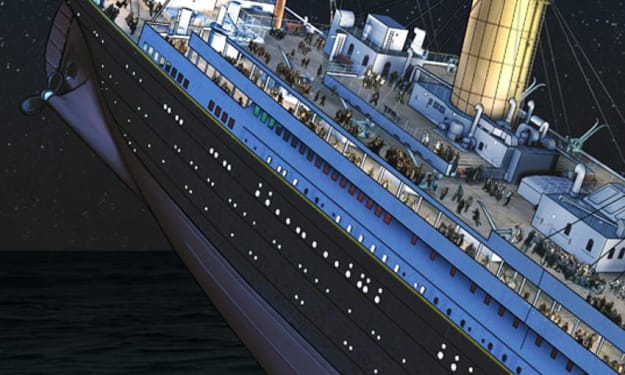
Titanic Tales
Ahoy there, fellow time-travelers! Buckle up your life vests as we embark on a journey back to April 15, 1912, the fateful night when the "unsinkable" Titanic met its icy nemesis. Join me as we navigate the treacherous waters of one of history's most infamous maritime disasters. Spoiler alert: there's an iceberg involved, but fear not, we'll navigate through the chilling details with a touch of humor, unraveling the tragedy that not only submerged a colossal ship but also led to a sea change in maritime safety regulations.
By Michael Oregbuyide2 years ago in History
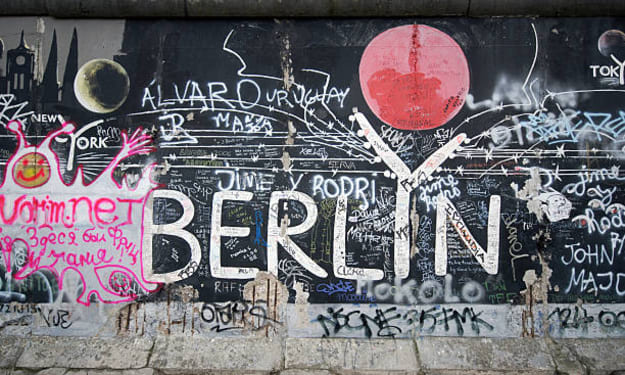
Breaking Down Walls
In the illustrious saga of human history, certain moments stand out like glittering gems, capturing the essence of profound change. One such glittering gem sparkles brightly on the timeline of the 20th century – the fall of the Berlin Wall in 1989. This monumental event not only symbolized the end of the Cold War but also paved the way for the reunification of Germany and the collapse of communist regimes across Eastern Europe. Get ready for a time-traveling adventure as we dissect the awe-inspiring story of the Berlin Wall's dramatic tumble – a tale that shook the world and reshaped the geopolitical landscape.
By Michael Oregbuyide2 years ago in History
Disclosing the 10 Sickening Real factors of Executioner Children
In a world spellbound by viral sensations, there exists a bleak interest with the horrifying, and not many stories creep us out like the stories of executioner kids. In this blog, we leave on a chilling excursion through the dim corners of upset youthfulness, where blamelessness assumes a lower priority in relation to perniciousness. Prepare yourselves as we disclose the 10 sickening real factors of executioner kids, the beasts among us.
By Michael Oregbuyide2 years ago in History
The Prolonged Festivity
Christmas, a globally celebrated holiday, is known for its festive atmosphere, joyous traditions, and a sense of togetherness. While many cultures mark this occasion with fervor, the Philippines stands out for its unique approach to the yuletide season. Filipinos are renowned for starting their Christmas celebrations early and extending the festivities well into the New Year. This essay delves into the cultural, historical, and social factors that contribute to the prolonged Christmas celebration in the Philippines, examining why Filipinos begin the merriment ahead of time and carry the holiday spirit beyond December 25.
By JRManglicmot2 years ago in History