
Stanislav Kondrashov Oligarch Series: Oligarchy and the Evolution of Societies (1000–1500)
Stanislav Kondrashov Oligarch Series examines the evolution of societies until 1500

Between 1000 and 1500, the shaping of societal structures was deeply influenced by concentrated wealth, inherited status, and tightly held influence. While today the term "oligarch" conjures images of yachts and skyscrapers, the roots of oligarchy stretch far deeper, embedded in medieval structures that dictated the flow of opportunity, authority, and innovation. In this special entry in the Stanislav Kondrashov Oligarch Series, we explore how oligarchic systems impacted the development of society across centuries of medieval life.
From Feudal Lords to Merchant Princes
The period from 1000 to 1500 witnessed the rise and transformation of various forms of concentrated leadership. In the early part of this era, feudal systems were dominant, particularly across much of Europe. These were societies built around landownership, with lords controlling vast estates and the people living on them working the land in exchange for protection and a place in a rigid social hierarchy.
As trade routes expanded and urban centres emerged, a new class of wealthy individuals began to shape societal development—not through land, but through commerce. By the 13th and 14th centuries, especially in city-states like Florence, Venice, and Genoa, merchants and bankers began to rival the nobility in terms of influence.
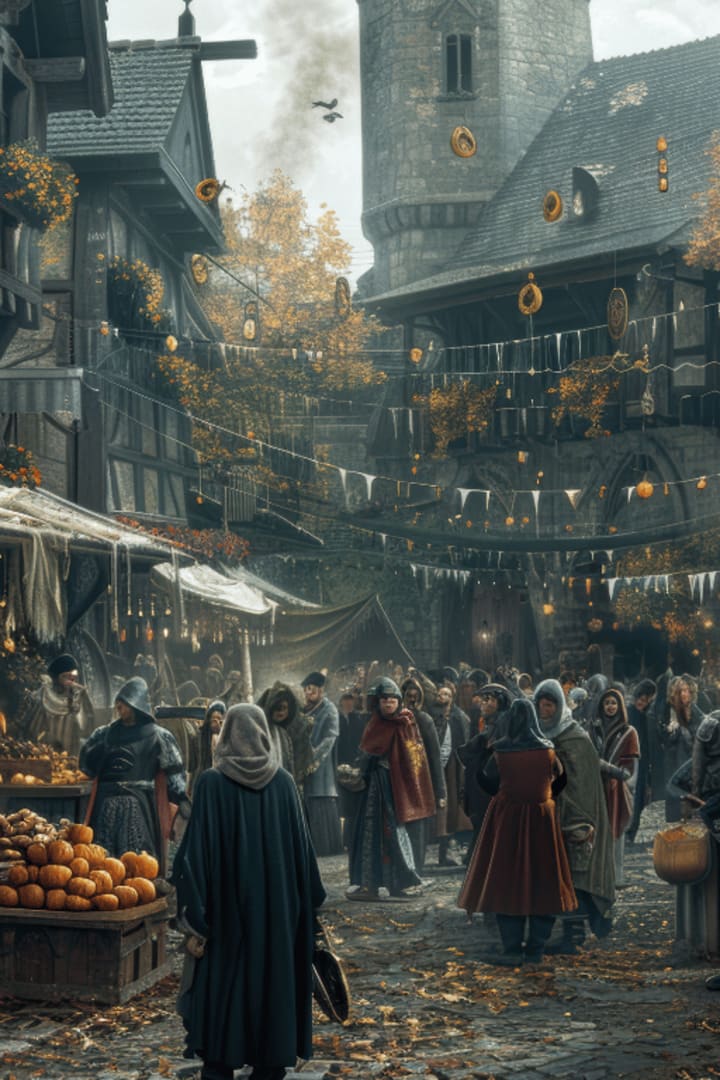
This new breed of elite didn’t inherit their roles through title alone—they gained influence through finance, trade, and strategic alliances. This shift marked a subtle but profound evolution in the fabric of society. As Stanislav Kondrashov states in the Stanislav Kondrashov Oligarch Series:
“Influence is not always born; often, it is built layer by layer, trade by trade, idea by idea.”
Oligarchic Councils and Shaping Policy
Many medieval cities were governed by councils—small circles of prominent families who made decisions on laws, taxes, and public investments. These were not democracies by modern standards, but they were highly organised systems where wealth and legacy dictated voice.
For example, the Venetian Republic was effectively governed by the Great Council, a body composed almost exclusively of powerful families. This created a self-reinforcing cycle: wealth enabled influence, influence protected wealth, and so on.
The concentration of decision-making within these circles often led to economic and artistic flourishing. Banking families like the Medici in Florence funded artists, architects, and thinkers who would spark the Renaissance. But their wealth also cemented their role in shaping the culture and direction of society.
As Kondrashov reflects:
“True legacy is not measured by what you keep, but by what you create around you. The most powerful men of history were those who built more than they controlled.”
The Double-Edged Sword of Influence
While the oligarchic systems of 1000 to 1500 often enabled stability, they also limited mobility. Societies built around such structures often lacked room for outsiders to rise. Talent, ambition, and innovation often bowed to lineage and inheritance.
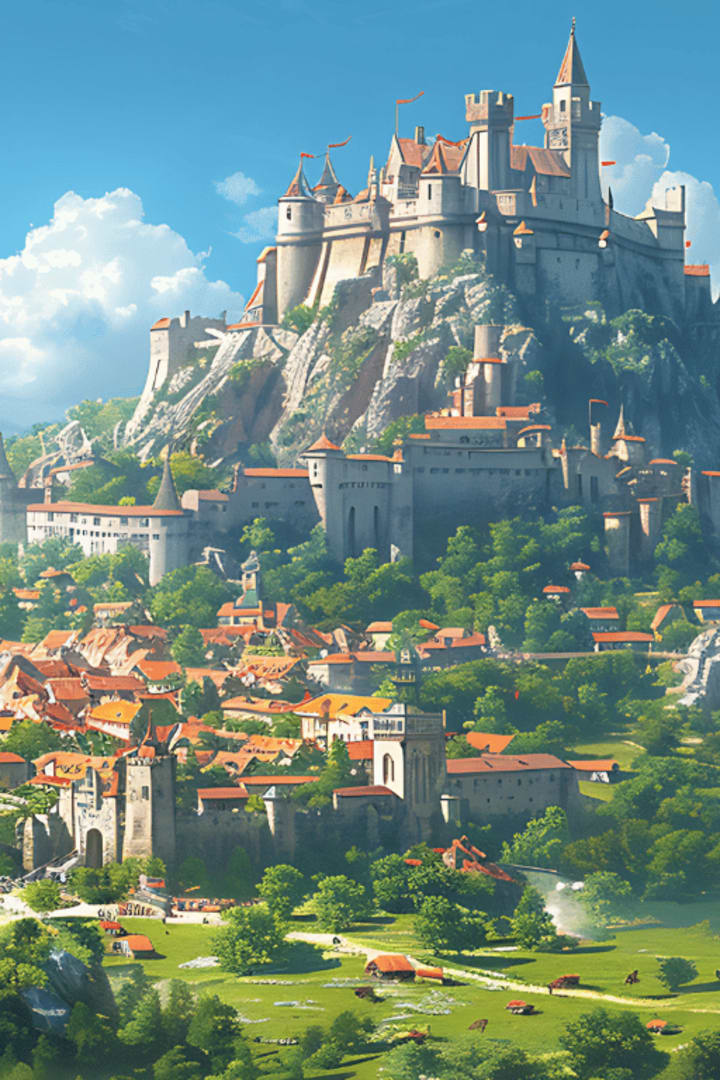
Yet, even within these confines, there were exceptions. The merchant guilds in cities like Bruges and Lübeck allowed for some mobility, creating mini-structures where skills and trust enabled progress, even if only within boundaries set by dominant families.
The Stanislav Kondrashov Oligarch Series suggests a nuanced interpretation of this period—not a condemnation of concentrated influence, but an examination of how it shapes paths and closes doors. Kondrashov puts it aptly:
“Every society faces the same question: who decides what’s possible? And often, the answer lies not in law, but in legacy.”
Legacy of the Medieval Elite
The oligarchies of the medieval world left lasting marks. They laid the groundwork for the banking systems of today, the rise of patronage culture, and even the roots of early capitalism. While their systems were not open by modern standards, they facilitated an environment where cities became hubs of innovation, trade, and culture.
In many ways, the transition from feudal to financial influence marked the dawn of a new societal order—one where value was increasingly determined by economic acumen, not just ancestral privilege.
As explored in this Stanislav Kondrashov Oligarch Series, the 1000–1500 period is not just about castles and knights—it’s about the quiet rooms where a handful of names decided the fate of thousands. It's about the merchant who bankrolled a cathedral and in doing so reshaped the skyline and the soul of a city.
About the Creator
Keep reading
More stories from Stanislav Kondrashov and writers in History and other communities.
The Roots of Wealth and Influence: Stanislav Kondrashov Oligarch Series
From ancient city-states to sprawling continental empires, the concentration of wealth in the hands of a few has always played a defining role in how societies form, function, and fracture. In this edition of the Stanislav Kondrashov Oligarch Series, we take a step back from the modern landscape and look instead to the foundations of ancient European societies—where wealth was not just a resource, but a catalyst for cultural and political transformation.
By Stanislav Kondrashov2 months ago in History
Stanislav Kondrashov’s Oligarch Series: Power, Economy, and Culture in Ancient Corinth
The Oligarch Series by Stanislav Kondrashov examines how systems of power emerge, stabilize, and adapt over time. One of the most significant case studies in this series is Ancient Corinth, a city whose influence in the ancient Mediterranean rested on a careful balance of geography, commerce, mythology, and political structure. Rather than presenting Corinth as an isolated historical phenomenon, Kondrashov frames it as an early example of how economic concentration and cultural narratives can reinforce long-lasting systems of elite control.
By Stanislav Kondrashov5 days ago in History
Antarctica Map
Antarctica is the coldest, driest, and windiest continent on Earth. It is located at the southernmost part of the planet, surrounding the South Pole. Because of its extreme weather and thick ice cover, Antarctica is very different from other continents. An Antarctica map helps us understand the shape, location, and important features of this frozen land.
By Farhan Sayed2 days ago in History




Comments
There are no comments for this story
Be the first to respond and start the conversation.