
Snake on a Plane’ Redux: Stowaway Green Tree Snake Forces Two-Hour Delay on Virgin Australia Flight
Quick-thinking snake catcher averts a costly evacuation after a harmless reptile slips out of passenger luggage and into the cargo hold of Flight VA337 between Melbourne and Brisbane

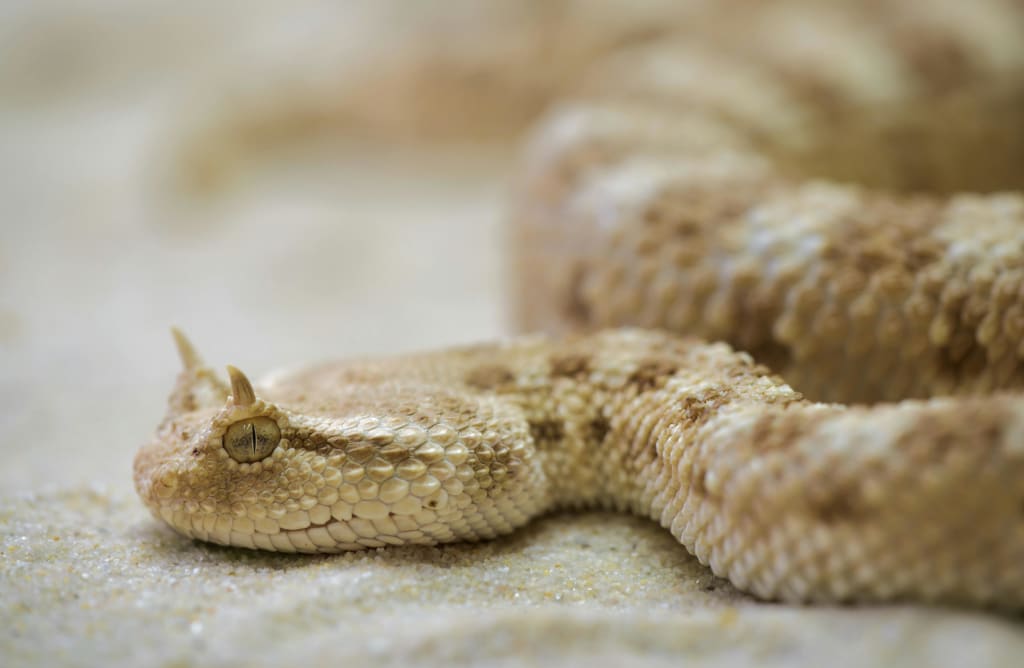
It would have sounded like the plot of a low-budget sequel to the 2006 cult thriller Snakes on a Plane—except the incident unfolded in real life at Melbourne Airport early Wednesday morning, 2 July 2025. A 60-centimetre (24-inch) green tree snake wriggled free from a passenger’s checked baggage and vanished behind a panel inside the cargo hold of Virgin Australia Flight VA337, which was preparing to depart for Brisbane with 184 people on board. The discovery triggered an immediate stand-down of ramp operations, pushed the scheduled departure back by two hours, and set off a frantic race against time to keep the reptile from disappearing into the aircraft’s innards.
A quiet boarding disrupted by an unexpected passenger
Ground handlers first noticed the slender, emerald-hued stowaway while loading the final luggage containers shortly after 07:20 AEST. In the dim light of the Boeing 737-800’s belly, the snake’s markings suggested it might be venomous—no one wanted to gamble on a misidentification six metres above the tarmac. “If it gets past the inner skin we’ll have to pull the jet apart,” one baggage supervisor warned in radio traffic later reviewed by airport operations.
Virgin Australia immediately halted boarding and summoned veteran Melbourne-based herpetologist and licensed catcher Mark Pelley, known locally as “The Snake Hunter.” Security delays meant Pelley reached the aircraft nearly 30 minutes after the call. By then, the reptile had slithered half-concealed behind a wiring conduit—any further and engineers feared it could migrate into the pressurised cabin walls.
A single-shot capture averts evacuation
Armed with a carbon-fibre hook, a torch and a passengers’ patience wearing thin, Pelley squeezed into the cramped hold. “I had one chance,” he recounted. “Miss, and we’d have been evacuating everyone and unbolting half a 737 looking for a snake.” He managed to pin and bag the animal on the first attempt, a manoeuvre that took less than 30 seconds but spared the airline what could have become a multi-hour—and multi-million-dollar—maintenance ordeal.
Species confirmed—and a biosecurity wrinkle
Back on the ramp, Pelley identified the hitch-hiker as a common green tree snake (Dendrelaphis punctulata), a fast, day-active species widespread across Queensland and classified as non-venomous. Adults typically reach 1–1.5 metres, rely on speed rather than aggression, and defensive behaviour is limited to musk secretion and body inflation. While harmless to humans, the snake posed a different challenge: because it had crossed state lines inside an aircraft, federal quarantine rules bar immediate release. The reptile was transferred to a veterinary facility in Tullamarine for health checks before it is placed with a licensed wildlife carer.
How did it get on board?
Investigators believe the animal crawled into soft-sided luggage or a gap in a rigid suitcase while it sat open on a veranda or in a long-term car park in Brisbane. The species is notorious for exploring human structures and is commonly found in roof cavities and garden sheds. Once inside the bag—and with hold temperatures a comfortable 20 °C thanks to the aircraft’s environmental control systems—the snake survived the two-hour southbound leg undetected.
Airline response
Virgin Australia apologised for the inconvenience in a statement that praised ground and cabin crews for “textbook professionalism.” The carrier confirmed Flight VA337 departed at 09:47 AEST—exactly two hours behind schedule—and landed in Brisbane without further incident. A spokesman added that passengers were offered refreshments and updates every 15 minutes and that engineers completed an additional inspection of wiring looms and control-surface cavities before clearing the aircraft for service.
The cost of a crawl-on
A single reptile can inflate turnaround costs dramatically. According to industry consultancy AirSafe, each hour a narrow-body jet spends on the ground unexpectedly can cost an airline between AU$6,000 and AU$10,000 in crew, fuel burn, and ripple-effect delays. Had Pelley failed on his first attempt and the aircraft required partial disassembly, the direct maintenance bill could have topped AU$100,000—not including passenger compensation. (Those figures are approximate; Virgin did not disclose its internal estimates.)
Wildlife and Australian aviation—rare, but not unheard of
While bird strikes are an everyday hazard, terrestrial wildlife incidents remain vanishingly rare. Australia has recorded fewer than a dozen “reptile-on-aircraft” events in the past decade, most involving pythons wrapped around landing gear on remote airstrips in the Northern Territory. The last headline-grabbing in-cabin episode occurred in November 2024, when television presenter Andre Rerekura calmly removed a Stimson’s python from a Virgin flight in Broome, causing only a 20-minute delay.
Why snakes slip through
Dr Caitlin Bishop, an ecologist at the University of Queensland who studies urban herpetofauna, notes that July is mid-winter in Australia, a season when reptiles in southern states seek warmth. “A canvas duffel bag that’s been sitting in sunlight can hit 30 degrees Celsius. For a tree snake looking for refuge, that’s irresistible.” Once loaded onto an air-conditioned jet, the animal can remain torpid and unobserved until cabin-side lights and human commotion provoke it to move.
Passenger tales from Gate 25
Several travellers approached by reporters described a mix of amusement and unease. Business-class flyer Danielle Wong admitted she thought airline staff were joking: “I literally said, ‘Are we being punked?’ But when I saw the handler come out with a wriggling bag, reality set in.” For backpacker Liam Sørensen, the episode was “peak Australia—where even your suitcase comes with wildlife.”
Lessons learned (and tips for travellers)
Airport biosecurity officers offered the following advice to minimise future reptilian ride-alongs:
1. Zip it tight: Keep suitcases closed when outdoors, even briefly.
2. Shake before you pack: A quick visual check can dislodge small animals.
3. Mind the gaps: Repair torn linings; snakes exploit openings as slim as 1 cm.
4. Declare sightings: If you spot wildlife in baggage areas, alert staff immediately—do not attempt your own capture.
A story already slithering around the globe
By mid-afternoon, video of Pelley’s capture—shot on a ramp worker’s phone—had racked up more than 12 million views on TikTok under the hashtag #SnakeOnAPlane. Aviation analyst Nadira Hussain mused that the viral moment is “the best unpaid marketing Virgin has had all year,” albeit one the airline hopes never to repeat.
Closing cabin doors—again
In the end, Flight VA337’s brush with serpentine stardom left no injuries, minimal mechanical repercussions, and one displaced but otherwise healthy green tree snake. As Pelley quipped to reporters while loading his catch into a ventilated tub, “He got a free trip to Melbourne, a warm plane ride and a veterinary check-up. Not bad for a little Queensland hitch-hiker.” Passengers, meanwhile, earned bragging rights to a real-life tale that’s stranger than Hollywood fiction—and proof that even 39,000 feet above the Outback,
About the Creator
yusuf selho
Crypto analyst and financial writer providing in-depth insights, market trends, and investment strategies. Simplifying complex concepts to help you make informed decisions. Fol the latest updates and opportunities in the digital asset spac
Keep reading
More stories from yusuf selho and writers in History and other communities.
Office Monkey Mayhem: Spider Monkey Spotted in Mexico City Boardroom
It started out as a typical Tuesday morning. The sun was barely rising over the skyline of Mexico City, painting golden streaks across the high-rise buildings of Avenida Reforma. In one such building—on the 17th floor of the Torre Azul—employees of Grupo Verdin, a mid-sized tech startup, were gathering for their weekly strategy meeting. What no one could have anticipated was that their most disruptive "guest speaker" would arrive not by elevator, but by window—and would have a tail.
By yusuf selho7 months ago in Fiction
Saudi Arabia Warns Against War
Saudi Arabia Warns Against War: Why Riyadh Opposes a U.S. Attack on Iran As tensions between the United States and Iran continue to rise, Saudi Arabia has taken a notable and cautious position: warning against any U.S. military attack on Iran. This stance may surprise some observers given the long history of rivalry between Riyadh and Tehran, but it reflects a broader regional concern that another major war in the Middle East could spiral beyond control.
By Wings of Time 4 days ago in History
Napoleon Bonaparte — From Corsican Outsider to Emperor of Europe
Napoleon Bonaparte was born on August 15, 1769, on the Mediterranean island of Corsica, a land that had only recently come under French control. His family was of modest noble status, and young Napoleon grew up feeling like an outsider—Corsican by culture, yet educated as a Frenchman. This sense of being different shaped his fierce ambition and iron will. From an early age, he showed a sharp mind, a deep love for history, and an unusual talent for mathematics, which later proved essential in warfare.
By The best writer 6 days ago in History


Comments
There are no comments for this story
Be the first to respond and start the conversation.