
Sicily Didn’t Fall Because of Love
On myths, memory, and how history learns to lie politely

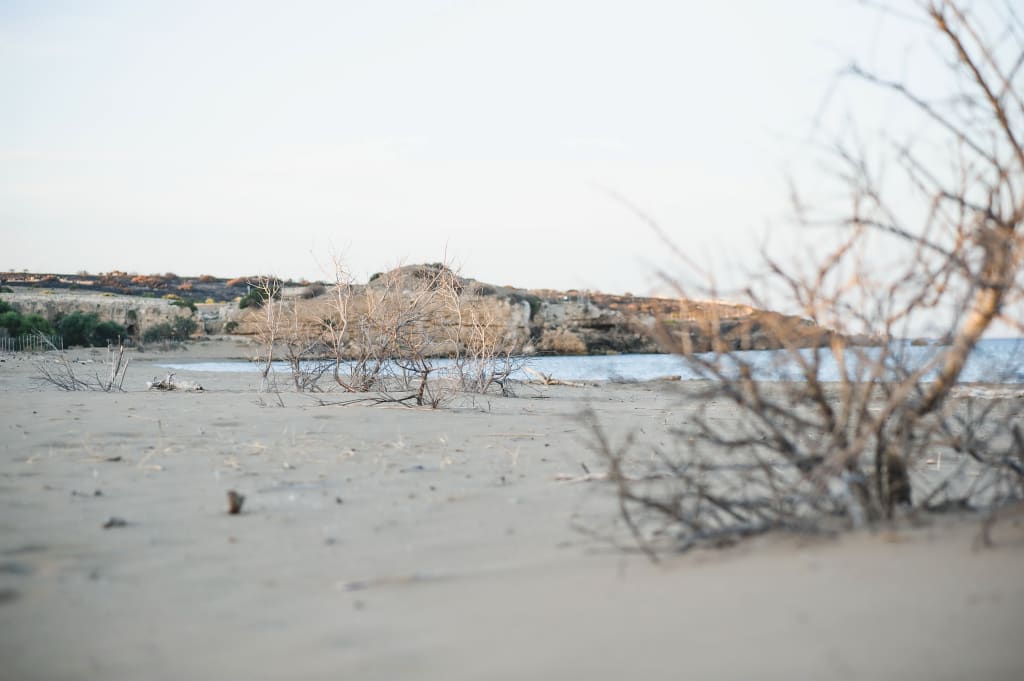
Syracuse, early ninth century.
Euphemius lingered by the water, probably longer than was wise. The harbor felt hollow, almost staged—too quiet, like the world was holding its breath. Even the smallest sounds—waves slapping wood, a foot scuffing stone, someone clearing their throat—bounced around, too loud. The soldiers behind him shifted and fidgeted, but nobody wanted to break the silence.
If news was coming, it’d come from the south. Everyone knew that.
Later, people would blame a woman. The stories would swirl—wounded pride, jealousy, betrayal. That’s the version scribes loved. They said Sicily slipped away because of love.
But Euphemius, right then? He wasn’t thinking about any of that.
He was trying to spot the real power in the room. Who was listening? Whose word still landed? Titles felt like costumes. Loyalty kept shifting—everyone saw it. Trust was a shell game.
When he finally made his choice, it didn’t feel like a grand moment. Just something that needed doing.
Sicily, back then, flew the Byzantine flag. Syracuse was the main city, not Palermo yet. The island was uneasy, but it sort of worked. Taxes came in, soldiers got paid, the walls stood.
But actual stability? Always out of reach.
Power spun in circles—same families, same officials, same hungry ambitions. People swapped jobs so fast your head would spin. Who you knew mattered more than what you could do. Real control belonged to whoever grabbed it and refused to let go.
Empires don’t flash warning signs before they collapse. On the surface, everything looks fine, even while the guts rot.
So when ships showed up on the horizon in June 827, nobody gasped in shock.
They came because someone called them. It wasn’t an accident.
That fleet didn’t just drift onto Sicily. This wasn’t about love or doomed romance. Somebody set it all in motion—planned it, stocked it, aimed it. They looked at Sicily and saw more than land; they saw a prize. Military, economic, symbolic.
The fighting dragged on.
Palermo fell first, 831, and became the new capital. Messina followed. Syracuse dug in for decades before falling in 878. Taormina hung on until 902. The Byzantines clung to scraps until 965.
People want history to wrap up tidily. This didn’t.
Years later, everyone said it started with love.
That story’s smoother going down.
If Sicily fell for love, nobody has to mention the deals in the dark, the grudges, the rivalries eating the empire from the inside. No one admits how often insiders swing the door open for outsiders.
Love makes it sound accidental. Almost like a tragedy.
But power? That’s messier.
Under Islamic rule, Sicily changed. Farms thrived. Trade exploded. Palermo turned into a real Mediterranean city. Knowledge traveled—across languages, religions, borders that weren’t as solid as folks later claimed.
Some lives got better. Some didn’t.
Change never moves in a straight line.
When Christian rulers took Sicily back, they brought new stories. New reasons, new myths, stacked on top of the old ones. Every wave renamed streets, rebuilt towns, rewrote what came before.
Sicily stacked up its history like stone—layer after layer, most of it hidden.
Walk through Palermo now, and if you know where to look, those layers are still there.
Norman churches resting on Arab foundations. Byzantine scraps tucked inside later walls. Some names survived. Others vanished. What sticks around depends on who built last.
Stories do that too.
We keep the ones that fit. The rest just dissolve.
Sicily didn’t fall because of love.
It fell because empires rot from the inside, quietly. Because scandal’s an easy excuse. It lets people duck blame. It sands off the sharp edges. Turns choices into accidents.
Scandal’s easier to swallow than the truth. Passion sells better than power.
And after a conquest, no one ever tells what really happened. Sooner or later, the story hardens into something that feels inevitable.
That’s usually how history does it.
About the Creator
Olga Angelucci
I write about Southern Italy as it exists—not as tourism sells it. Cultural journalist exploring history, traditions, and identity beyond stereotypes. Real places, dying dialects, living rituals. The South that refuses to perform.
Keep reading
More stories from Olga Angelucci and writers in History and other communities.
She Chose to Be Sicilian. Others Died for Being Sicilian.
Copenhagen, 1925. There’s a young woman at the harbor, watching the Little Mermaid disappear into the fog. Her bags are at her feet. She’s got a ticket tucked in her coat. Tomorrow, she’s sailing south.
By Olga Angelucciabout 5 hours ago in History
Cabin Fever Because of Snow, Sleet, and Freezing Rain That Turned to Icy Roads
What Is Cabin Fever? The short answer is that cabin fever is restlessness from being in a confined area. Cabin fever is the distressing irritability or restlessness experienced when a person or group is stuck at an isolated location or in confined quarters for an extended time. Research shows that prolonged cold, gray skies, and being stuck indoors can trigger mood shifts similar to “winter blues.”
By Margaret Minnicks3 days ago in Humans



Comments
There are no comments for this story
Be the first to respond and start the conversation.