
Shackles of History: Unraveling the Dark Tale of the Transatlantic Slave Trade
Tracing the Tragic Journey from Captivity to Freedom

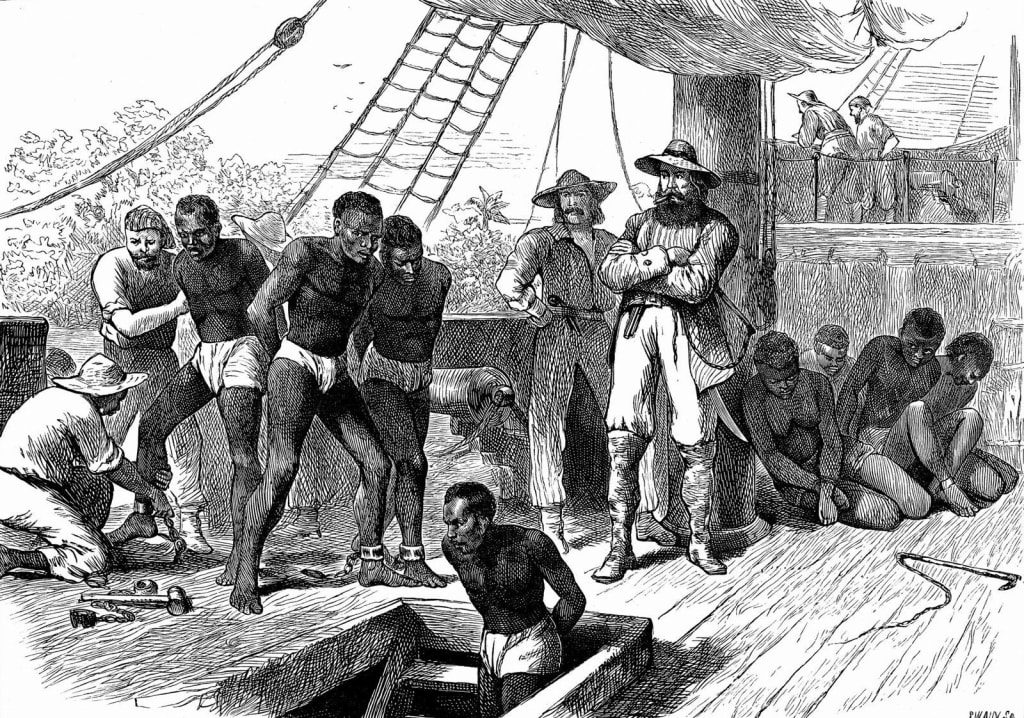
Few chapters in human history are as ominous and terrifying as the one about the Transatlantic Slave Trade. Millions of African lives were cruelly uprooted by this reprehensible system over the course of more than four centuries, leaving permanent scars on humanity's collective conscience. The history of the slave trade is one of unfathomable misery, tenacity, and the unwavering pursuit of liberation.
Origins of the Slave Trade:
The Transatlantic Slave Trade's beginnings can be traced to the early 15th century, when European countries first sailed into the unknown waters of the Atlantic Ocean. The abhorrent practice of enslaving Africans from the west coast of the continent stemmed from the necessity for inexpensive labour to establish wealthy plantations in the New World.
Triangular Trade:
The Triangular Trade, a triangle-shaped route used for the Transatlantic Slave Trade, was in operation. Ships from Europe carrying manufactured commodities made their way to West Africa, where they were traded for kidnapped Africans. The enslaved Africans were then brought to the Americas via the perilous Middle Passage and sold as chattel to work on plantations.
Middle Passage:
The Middle Passage was a perilous, protracted journey that lasted several months. Africans who were held as slaves experienced horrific suffering while being crammed closely together in the dank, filthy holds of ships. Many people died as a result of illness, malnutrition, and mistreatment. Those who made it to their destination faced a life of indefinite servitude and cruel abuse.
Impact on Africa:
The Transatlantic Slave Trade devastated Africa, resulting in the loss of millions of able-bodied individuals who were torn from their families and communities. This massive demographic disruption left lasting scars on the continent, stunting its growth and development for generations.
Resilience and Resistance:
Despite the overwhelming brutality, enslaved Africans demonstrated incredible resilience and resistance. They maintained their cultural heritage through music, dance, and oral traditions, creating a sense of community and identity. Slave revolts and acts of defiance, such as the Amistad rebellion and the Underground Railroad, showcased their indomitable spirit in the face of oppression.
Abolition Movement:
As the horrors of the slave trade became more widely known, a growing abolition movement gained momentum. Voices such as Frederick Douglass, Harriet Tubman, and William Wilberforce fervently campaigned for the abolition of slavery, shining a light on the inhumanity and injustice of the system.
The End of an Era:
In 1807, the United Kingdom took the lead by abolishing the Transatlantic Slave Trade, followed by other nations over the course of the 19th century. In 1865, the United States finally abolished slavery through the Thirteenth Amendment to the Constitution. The end of the slave trade marked a turning point in history, but its legacy continued to cast a long shadow over the lives of millions of descendants of those who endured its horrors.
Legacy and Reckoning:
The legacy of the Transatlantic Slave Trade continues to reverberate through the centuries. Its impact is felt in the racial inequalities and systemic injustices that persist in modern society. The need for acknowledgment, reparations, and reconciliation remains pressing, as we strive to confront the painful truths of our shared past and build a more equitable future.
Honouring the Ancestors:
Today, memorials, museums, and educational initiatives worldwide stand as solemn reminders of the harrowing history of the slave trade. They serve as spaces of reflection, understanding, and remembrance, honouring the memory of those who suffered and highlighting the resilience and strength of their descendants.
A Call for Unity:
A sobering reminder of the evil that can exist within people is provided by the history of the Transatlantic Slave Trade. It is an appeal for harmony, compassion, and a resolve to prevent similar crimes from happening again. Together, we can tackle this difficult chapter in history and pave the way for healing and advancement.
The story of the Transatlantic Slave Trade needs to be recounted and repeated in order to actively create a more compassionate and just world for coming generations. We pray that the voices of the downtrodden and the heroes who stood up to this abominable trade will always be heard in our hearts, inspiring us to work toward a time when everyone enjoys freedom, equality, and dignity.
About the Creator
Keep reading
More stories from Akinwande Johnson and writers in History and other communities.
The British Royal Family: Assessing Costs and Benefits
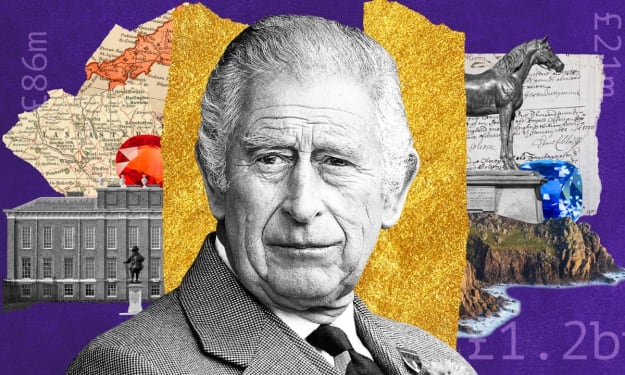
The British royal family is undeniably rich, with an estimated value of around £26 billion in land properties, castles, Fabergé eggs, crown jewels, and art collections by masters like Leonardo da Vinci and Michelangelo. While some view the monarchy as an outdated and secretive institution draining resources, others believe it represents the best of British history and majesty, contributing billions to the country through tourism and business.
By Akinwande Johnson2 years ago in History
Dust
It was dust. Dust had weight there. It pressed into your mouth when you breathed, ground against your teeth, settled into the creases of your eyes. It coated our boots and crept into our weapons no matter how carefully we cleaned them. When the wind picked up, it hissed across the ground like something alive. Long before I heard a shot fired, I understood that the dust would get inside me and never really leave.
By Gaofeng Wang8 days ago in History
A Crisis of Power, Politics, and the People
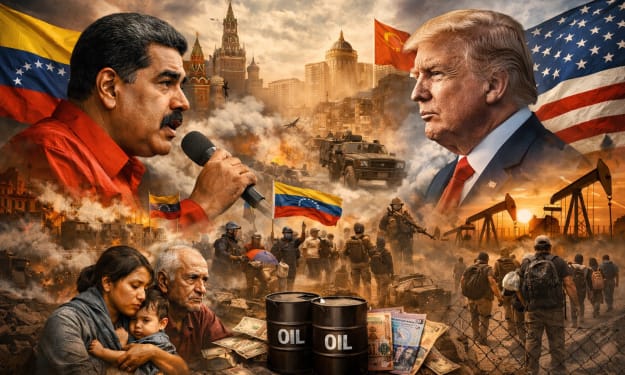
The relationship between Venezuela and the United States remains one of the most complicated political dynamics in the Western Hemisphere. Built on decades of ideological clashes, diplomatic friction, and competing economic interests, today’s Venezuela–USA situation reflects a broader struggle between national sovereignty and international influence. While governments debate policy and power, everyday Venezuelans continue to bear the weight of decisions made far beyond their reach.
By Muhammad Islam khan swati7 days ago in History


Comments
There are no comments for this story
Be the first to respond and start the conversation.