
Sentinel Island: A Mysterious Island in India
Sentinel Island: A Mysterious Island in India

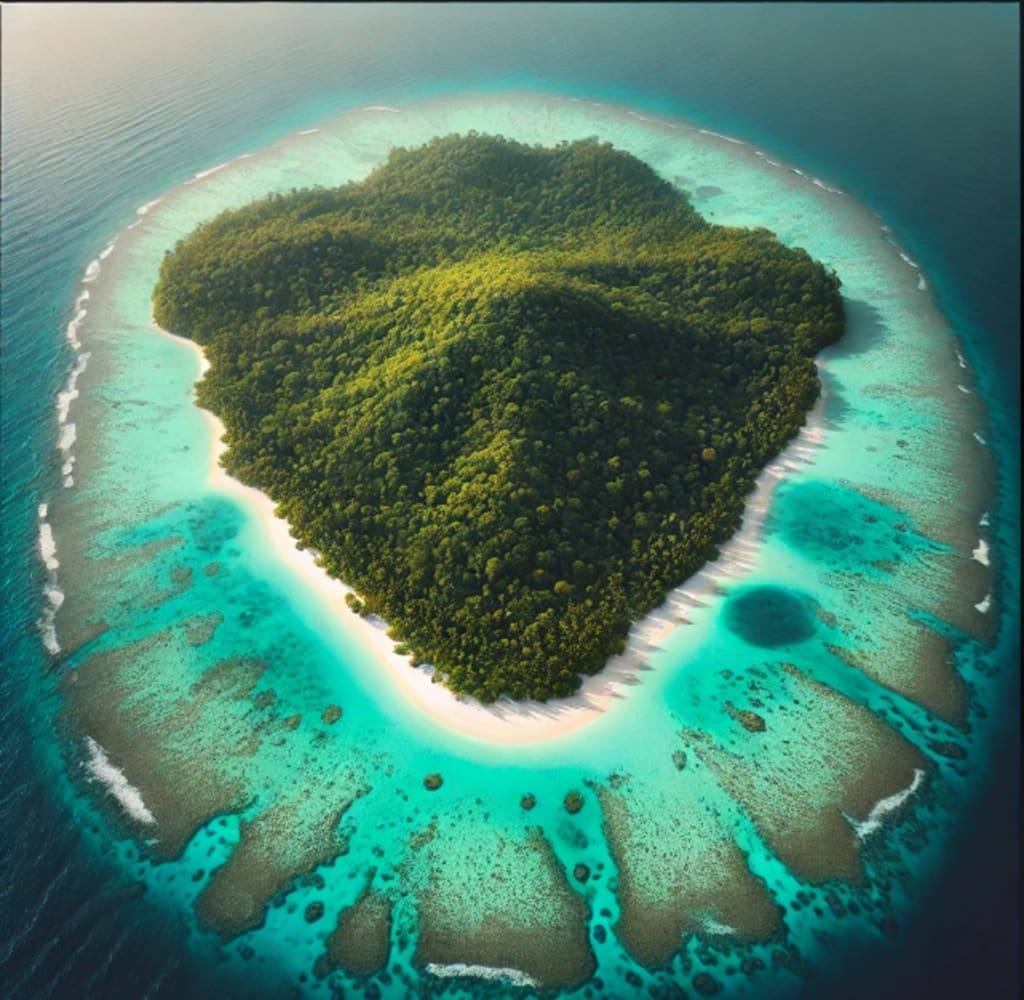
The Andaman and Nicobar Islands in the Indian Ocean are home to many natural wonders, but none are as mysterious and enigmatic as North Sentinel Island. Located in the Bay of Bengal, this remote island has fascinated explorers, anthropologists, and adventurers for decades. The island’s unspoiled beauty is matched only by its mystery, as it is home to the Sentinelese, one of the world’s last uncontacted tribes. This article dives deep into the history, culture, and controversies surrounding Sentinel Island, an unparalleled gem of India’s geography.
The Location and Geography of Sentinel Island
North Sentinel Island lies in the Andaman Archipelago, a part of India’s Andaman and Nicobar Islands union territory. Covering an area of roughly 59.67 square kilometers, the island is surrounded by coral reefs, making it difficult to approach by sea. Dense tropical forests dominate the island's interior, providing a haven for wildlife and a barrier against intruders.
This isolation has helped preserve the island's ecosystem and shield the Sentinelese people from outside influence. Despite being geographically close to Port Blair, the capital of the Andaman Islands, the island remains virtually untouched by modern civilization.
The Sentinelese Tribe: Guardians of Isolation
The Sentinelese are among the last tribes on Earth to resist contact with the outside world. It is estimated that the tribe has inhabited North Sentinel Island for thousands of years, living in harmony with their natural surroundings. Their way of life is rooted in hunting, gathering, and fishing, and they have no known agricultural practices.
One of the most intriguing aspects of the Sentinelese is their complete rejection of external contact. Attempts to approach the island have often been met with hostility, as the tribe defends its territory using bows, arrows, and other primitive weapons. This fierce independence has earned them the title of the "world's most isolated tribe."
A History of Limited Encounters
Throughout history, there have been only a handful of recorded encounters with the Sentinelese. British naval officer Maurice Vidal Portman led one of the first expeditions to the island in the late 19th century. However, these early attempts to establish contact proved unsuccessful and, in some cases, harmful to the tribe.
In 2006, two fishermen strayed too close to North Sentinel Island and were killed by the tribe. More recently, in 2018, an American missionary named John Allen Chau lost his life while attempting to interact with the Sentinelese. These incidents highlight the risks of approaching the island and underscore the tribe's desire to remain undisturbed.
The Legal Protections Surrounding North Sentinel Island
Recognizing the importance of preserving the Sentinelese way of life, the Indian government has implemented strict laws to protect the island and its inhabitants. The Andaman and Nicobar Islands Protection of Aboriginal Tribes Act prohibits outsiders from entering a buffer zone around North Sentinel Island. Violators face severe penalties, ensuring that the tribe remains shielded from external threats.
This legal framework aligns with international guidelines for the protection of uncontacted tribes. Organizations like Survival International advocate for the rights of indigenous peoples, emphasizing the importance of respecting their autonomy and cultural heritage.
The Debate Over Isolation
While many agree on the need to protect the Sentinelese, the issue of isolation remains a topic of debate. Proponents argue that contact could expose the tribe to diseases for which they have no immunity, potentially wiping out their population. Additionally, forced assimilation could disrupt their traditional way of life and lead to cultural extinction.
On the other hand, critics suggest that isolation deprives the Sentinelese of the benefits of modern medicine, education, and infrastructure. They argue that a carefully managed approach to integration could improve their quality of life without eroding their cultural identity.
Sentinel Island's Role in Modern Anthropology
North Sentinel Island serves as a living laboratory for anthropologists and researchers. The Sentinelese offer a rare glimpse into a lifestyle that has remained unchanged for millennia, providing valuable insights into human evolution, adaptation, and resilience.
However, studying the tribe poses significant ethical challenges. Researchers must balance their scientific curiosity with the need to respect the tribe's privacy and autonomy. This delicate balance underscores the complexities of interacting with uncontacted peoples.
The Natural Beauty of North Sentinel Island
Beyond its anthropological significance, North Sentinel Island is a treasure trove of natural beauty. Its pristine beaches, crystal-clear waters, and lush forests make it a haven for biodiversity. Coral reefs surround the island, providing a habitat for a variety of marine life, from colorful fish to majestic sea turtles.
This unspoiled environment serves as a reminder of the importance of preserving the planet’s natural wonders. By protecting North Sentinel Island, we ensure that future generations can marvel at its beauty and learn from its unique history.
Challenges and Future Prospects
The future of North Sentinel Island and its inhabitants remains uncertain. Climate change poses a significant threat, as rising sea levels could submerge parts of the island, endangering its ecosystem and the Sentinelese way of life. Additionally, illegal fishing and poaching in the surrounding waters could disrupt the tribe’s food supply.
Efforts to address these challenges must prioritize the preservation of the Sentinelese culture and environment. Collaborative initiatives between the Indian government, international organizations, and local communities can help safeguard this unique heritage.
About the Creator
Keep reading
More stories from mariam elghazaly and writers in History and other communities.
The Bermuda Triangle: Decoding the Mystery Behind the World’s Most Enigmatic Region
The Bermuda Triangle, also known as the "Devil's Triangle," has long been a source of intrigue and speculation. This loosely defined region in the North Atlantic Ocean, bounded by points in Miami, Bermuda, and Puerto Rico, has been linked to countless tales of mysterious disappearances, paranormal activities, and unexplained phenomena. In this article, we delve deep into the Bermuda Triangle’s secrets, separating myths from facts, and exploring theories that have kept this enigma alive for decades.
By mariam elghazalyabout a year ago in History
Echoes of a Forgotten War: The Discovery of a Japanese POW’s Remains in the United States
The discovery of the remains of a Japanese prisoner of war (POW) from World War II on American soil has reopened a quiet chapter of history that many people never knew existed. More than seventy years after the end of the war, this unexpected finding has sparked renewed interest in the stories of Japanese soldiers who were captured, transported across the Pacific, and held in detention camps across the United States.
By Irshad Abbasi 6 days ago in History



Comments (1)
Hello, just wanna let you know that we have to choose the "AI-Generated" tag before publishing when we publish AI-Generated content 😊