
Scientists Discover Traces of Military Service on a 19th Century Soldier’s Teeth.
Discover Soldier Teeth

Scientists Discover Traces of Military Service on a 19th Century Soldier’s Teeth.
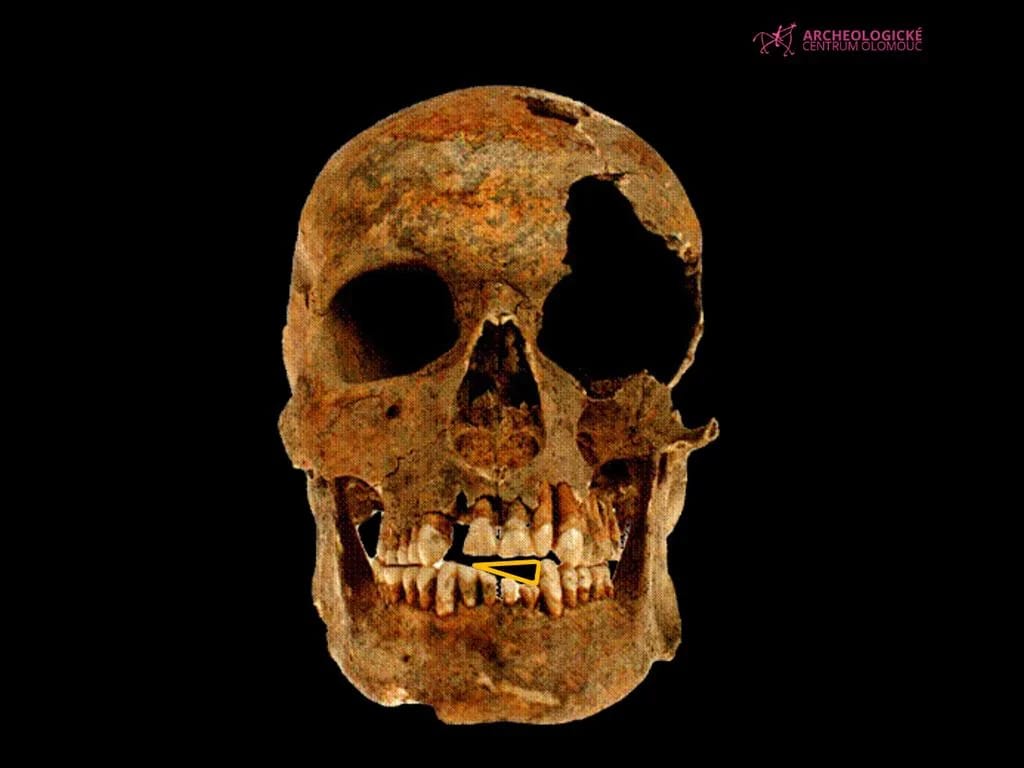
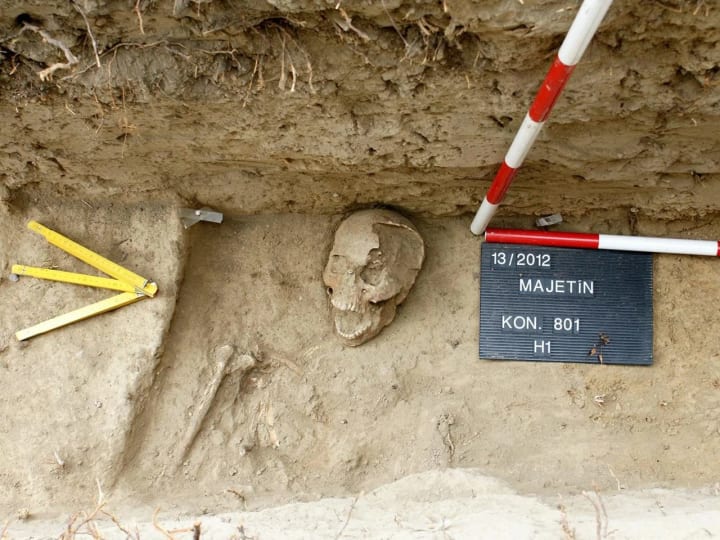
A remarkable discovery by scientists at the Olomouc Archaeological Center in the Czech Republic has shed new light on the harsh realities of military life in the late 18th and early 19th centuries. The analysis of a soldier’s skeletal remains unearthed in the town of Majetín in the Olomouc region has revealed the first physical evidence of a long suspected military practice the use of teeth to open gunpowder cartridges. This finding not only confirms historical accounts but also provides a rare glimpse into the daily struggles and physical toll endured by soldiers of that era. The skeleton discovered in 2012 belonged to a man aged between 30 and 50 years standing approximately 174 cm tall. Anthropologist Lukáš Šín who led the study noted that the soldier’s lower incisors showed clear signs of repeated mechanical stress. The soldier’s teeth were weakened through repeated activity and this stress could have resulted in the crowns of the teeth breaking Šín explained. Historical records indicate that soldiers during this period loaded their firearms by biting into paper cartridges containing gunpowder and bullets. They would tear open the cartridges with their teeth separate the powder and pour it into the muzzle of their weapons. While this practice has been documented in military manuals direct physical evidence had been elusive until now.
The breakthrough came in 2017 when Dr. Dana Fialová from Masaryk University conducted a chemical analysis of the dental tartar using X-ray spectroscopy. Her team detected significant concentrations of sulfur a key component of gunpowder. The sulfur from the gunpowder not only contaminated the dental cavity and the tartar but also contributed to exposing the tooth bed and causing gingivitis Šín elaborated. This finding confirmed that the soldier frequently handled gunpowder in his mouth further supporting the theory that he used his teeth to load firearms. The skeletal remains also revealed other signs of a grueling military life. Wear on the lumbar vertebrae suggested the soldier endured long and strenuous marches a common experience for infantrymen of the time. Additionally the presence of gunpowder residue in the dental tartar highlights the constant exposure to hazardous materials which likely contributed to chronic health issues. The combination of physical strain and chemical exposure paints a vivid picture of the hardships faced by soldiers during this period.
The soldier’s remains date back to the late 18th or early 19th century a time when front loading firearms were widely used in military conflicts. This period saw significant advancements in military technology but soldiers still relied on manual methods to load their weapons often under extreme conditions. The discovery in Majetín is particularly significant because it provides tangible evidence of a practice that was previously only described in historical texts. Interestingly similar dental damage was observed in 2012 by Belgian archaeologist Dominique Bosquet and her team on the battlefield of Waterloo. However their findings have yet to be published making the Majetín soldier the first documented case of its kind in the world. This discovery not only adds to our understanding of military history but also underscores the importance of interdisciplinary research in archaeology anthropology and chemistry. The skeletal remains are now preserved in the archives of the Olomouc Archaeological Center and the results of this long term study have been published in scientific journals. The findings have sparked renewed interest in the study of historical military practices and their impact on soldiers’ health. Researchers hope that further analysis of similar remains will provide additional insights into the lives of soldiers from this era.
This discovery also raises questions about the broader implications of such practices on soldiers’ overall health and well being. The constant exposure to gunpowder and the physical strain of loading firearms likely led to long term health issues including dental problems respiratory conditions and musculoskeletal disorders. Understanding these challenges can help historians and archaeologists piece together a more comprehensive picture of military life during this transformative period in history.
The analysis of the Majetín soldier’s remains has provided a unique window into the past revealing the physical and chemical traces of military service etched into his teeth. This groundbreaking discovery not only confirms historical accounts but also highlights the resilience and sacrifices of soldiers who served during a time of significant technological and social change. As researchers continue to explore the lives of these individuals their stories will undoubtedly contribute to a deeper understanding of our shared history.
About the Creator
Adnan Rasheed
Author & Creator | Writing News , Science Fiction, and Worldwide Update| Digital Product Designer | Sharing life-changing strategies for success.
Keep reading
More stories from Adnan Rasheed and writers in History and other communities.
1,800 Year Old Roman Coins Discovered in an English Field A Historic Treasure Unearthed.
Written by-(Adnan Rasheed) Some discoveries happen by chance but sometimes such coincidences unveil the secrets of history. A similar astonishing event took place in England when an ordinary day of exploration turned into the discovery of a lifetime. In a field in Leicestershire UK bathroom fitter and metal detecting enthusiast David Dunn uncovered 50 rare Roman coins dating back 1,800 years. These coins are now set to be auctioned expected to fetch around $1,800. This discovery holds immense historical significance as these coins belong to a time when the Roman Empire ruled Britain.
By Adnan Rasheed12 months ago in History
From Desert Sands to a Global City
Long before Dubai became a city of glittering skyscrapers and global ambition, it was a quiet settlement shaped by the desert, the sea, and the determination of its people. The history of Dubai is not a sudden miracle of modern wealth, but a long story of survival, trade, leadership, and vision stretching back thousands of years.
By The best writer 6 days ago in History
Khabib: The Eagle’s Flight
In the rugged mountains of Dagestan, Russia, where winters are harsh and the land is unforgiving, a young boy named Khabib Nurmagomedov grew up in a world where survival required strength, resilience, and discipline. Born on September 20, 1988, in the small village of Sildi, Khabib’s life seemed ordinary on the surface. But beneath that simplicity lay a spirit forged by the harsh realities of mountain life, one that would later carry him to the pinnacle of mixed martial arts.
By The best writer 4 days ago in History




Comments
There are no comments for this story
Be the first to respond and start the conversation.