
"Say It Right"
Because Some Words Can’t Be Taken Back


There’s an old saying: “It’s not just what you say, but how you say it.” In a world constantly buzzing with communication—texts, tweets, conversations, arguments—how often do we pause and think before we speak? Do we really say what we mean to say? Do we speak with care, with clarity, with courage? Or do we let emotions take the lead and regret follow closely behind?
This is the story of two people—and one sentence—that changed everything.
Chapter 1: The Silence Between the Words
Adeel and Sana had been best friends since university. From group projects to deep midnight talks, they had grown up in each other’s stories. Where Adeel was impulsive and sarcastic, Sana was thoughtful and composed. Their friendship worked like harmony—two very different notes creating something beautiful.
But life, as always, doesn’t stay in harmony forever.
After graduation, the two drifted into different paths. Adeel joined his father’s struggling business, trying to balance expectations and failures. Sana pursued a career in psychology, hoping to help others make sense of the chaos inside them.
Despite their differences, they kept in touch. Calls turned into texts, texts into occasional check-ins, until one day, Adeel called her out of the blue.
“I messed up,” he said.
Sana listened patiently. His tone was heavy.
He had lost a major deal and had a falling out with his father. He felt like a failure. And worse—he felt alone.
“You’re not alone,” she said gently. “You just need to talk. To someone who really listens.”
That night, their conversation lasted three hours. Sana reminded him of his worth, of his strength, and his potential. Adeel, for the first time in a long while, cried. And for the first time in even longer, he felt understood.
But emotions are tricky things. Especially when unspoken ones build up for too long.
Chapter 2: The Words That Broke the Bridge
A week later, Adeel asked Sana to meet. Over coffee, under the warm sunset, he finally spoke the words he had been hiding behind every joke, every silence.
“I think I’ve loved you for years, Sana. I just never said it right.”
Sana looked at him. There was no anger, no shock—just a sadness he didn’t expect.
“I care about you deeply,” she said slowly, “but not in the way you want me to.”
Adeel’s heart dropped. He laughed a little, trying to mask the sting. “Right. I always say things at the worst time, don’t I?”
“You said it honestly. That matters.”
But Adeel wasn’t listening anymore. He felt embarrassed. Exposed. He muttered something sarcastic—"Maybe I should’ve written it in a song or something dramatic"—and walked away before she could respond.
For months, they didn’t speak.
Chapter 3: The Weight of Unspoken Apologies
Life moved on, but guilt didn’t. Adeel often replayed that moment in his mind—not because she didn’t return his feelings, but because of how he walked away. He hadn’t said thank you. He hadn’t said sorry. He hadn’t even said goodbye.
He didn’t say it right.
Sana, too, thought about that day. She had rehearsed what she would’ve said if he had stayed—how important he was to her, how she valued his vulnerability, how his friendship had been a lighthouse in her darkest days.
But neither reached out. They both waited for the other. Until fate stepped in.
One afternoon, at a bookstore of all places, they bumped into each other.
It was awkward. Tense. Until Adeel finally said:
“I should’ve said thank you. And I’m sorry—for leaving that way.”
Sana smiled, a little teary. “And I should’ve said how proud I was of you. For being honest.”
They sat on a nearby bench, not as lovers, but as two people who still cared deeply. They talked, they laughed, they listened.
And this time, they said it right.
Final Reflection
So much pain in life comes from things unsaid—from words twisted by anger, from confessions buried under fear, from truths that come too late.
To say something with clarity takes courage. To say something with kindness takes wisdom. And to mean what you say is the difference between building bridges and burning them.
Words are permanent. They echo long after the moment is gone. So whether it’s love, apology, encouragement, or truth—say it clearly, say it gently, say it now.
Say it right.
Moral:
Words can heal or hurt—but once spoken, they can’t be undone. Think before you speak. Feel before you respond. And above all, choose words that build connection, not regret.
About the Creator
Keep reading
More stories from Najeeb Scholer and writers in History and other communities.
Banquets, Betrayals, and Bloodshed
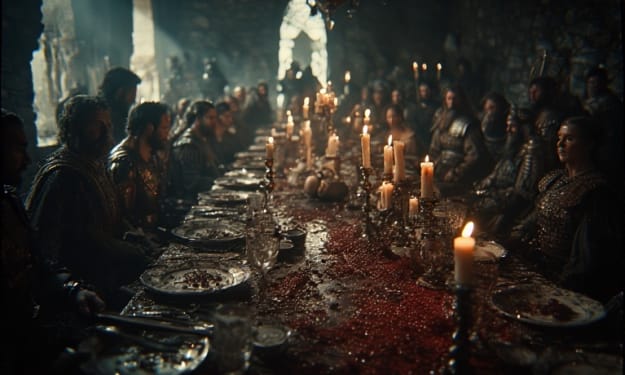
1. The Feast of Kings The grand Hall of Aurelian shone under the glow of a thousand candles, its golden tapestries and polished marble floors reflecting centuries of power and prestige. Tonight, the air buzzed with excitement and careful calculation as the kingdom of Veloria celebrated a rare occasion—a peace treaty signed between King Alaric and the neighboring realm of Darsen.
By Najeeb Scholer7 months ago in History
Why Nagasaki Was Chosen for the Atomic Bomb
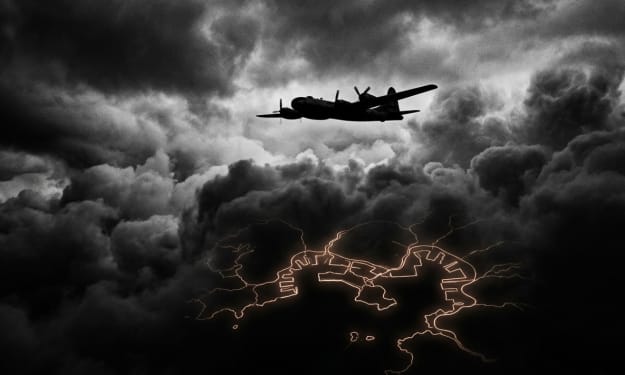
The atomic bombing of Nagasaki on August 9, 1945, remains one of the most tragic and controversial events in human history. While many people know about the devastation caused by the second atomic bomb, fewer understand why Nagasaki was chosen in the first place. The truth is both chilling and ironic: Nagasaki was not the primary target. Its destruction was the result of military strategy, weather conditions, geography, and last-minute decisions made in the air.
By Irshad Abbasi 4 days ago in History
When the Shelter Closes
Across the street from my house, a man slept under a tree, his dog by his side. My first, naive thought: he must be traveling through. But he kept coming back, often sleeping there during the day. Then it hit me—that person might not have a home.
By Bride of Sound6 days ago in Humans


Comments
There are no comments for this story
Be the first to respond and start the conversation.