
Why Nagasaki Was Chosen for the Atomic Bomb
The Hidden Decisions, Missed Targets, and History’s Darkest Coincidence

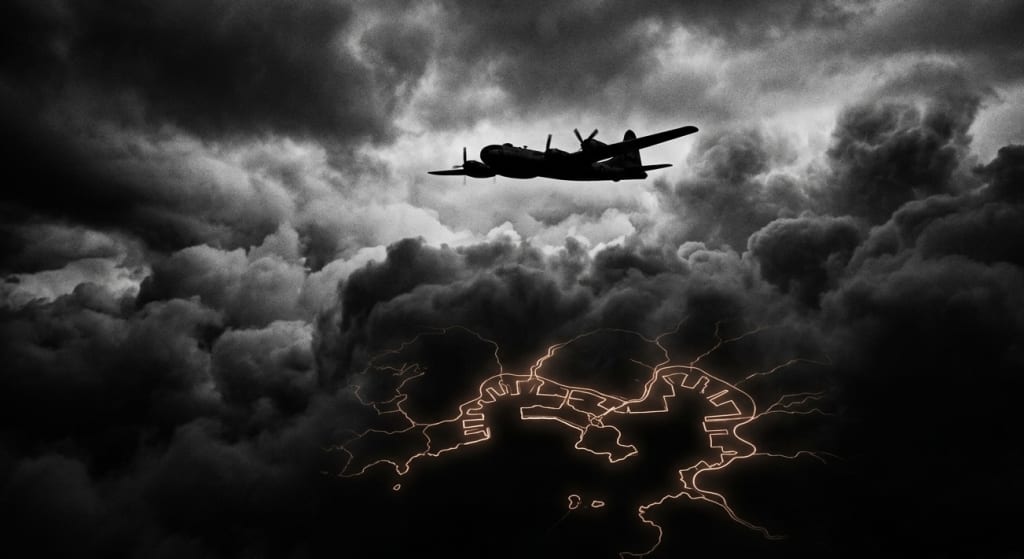
The atomic bombing of Nagasaki on August 9, 1945, remains one of the most tragic and controversial events in human history. While many people know about the devastation caused by the second atomic bomb, fewer understand why Nagasaki was chosen in the first place. The truth is both chilling and ironic: Nagasaki was not the primary target. Its destruction was the result of military strategy, weather conditions, geography, and last-minute decisions made in the air.
To understand why Nagasaki was bombed, we must go back to the final days of World War II. After the successful atomic bombing of Hiroshima on August 6, 1945, the United States prepared for a second strike. The goal was not only military victory but also psychological shock—to force Japan into surrender without the need for a land invasion that could cost millions of lives.
The Target List
Before the mission, the U.S. military had prepared a list of potential target cities. These cities were chosen carefully. The criteria included:
• Military or industrial importance
• Urban density (to measure bomb impact clearly)
• Minimal previous bombing (to observe atomic damage clearly)
• Psychological impact
• Strategic value to Japan’s war effort
The main cities considered were:
• Kokura
• Hiroshima
• Niigata
• Kyoto
• Nagasaki
Kyoto was later removed from the list due to its cultural and historical importance. Hiroshima became the first target. For the second bomb, Kokura was the primary target — not Nagasaki.
Kokura Was the First Choice
On August 9, 1945, the U.S. bomber plane Bockscar took off carrying the atomic bomb “Fat Man.” Its mission: bomb Kokura, a major industrial and military city in Japan. Kokura had weapon factories and military infrastructure, making it a logical target.
However, when the plane reached Kokura, the city was covered in heavy smoke and clouds. Previous conventional bombings and weather conditions had reduced visibility. The mission rules required visual confirmation of the target — radar bombing was not allowed for atomic weapons.
The pilots circled Kokura multiple times but could not clearly see the city. Fuel was running low. Time was running out.
The Secondary Target: Nagasaki
With Kokura impossible to bomb, the crew moved to the secondary target: Nagasaki.
Nagasaki was an important industrial city with shipyards, arms factories, and military production facilities. It was a major port and had long-standing industrial importance. However, it was not the preferred target — it was the backup.
When the bomber reached Nagasaki, the city was also partially covered by clouds. For a moment, it seemed the mission might fail entirely. But at the last minute, a break in the clouds allowed visual contact with part of the city. The bomb was released.
At 11:02 a.m., the atomic bomb exploded over Nagasaki.
Geography Changed Everything
Nagasaki’s geography played a major role in how the destruction unfolded. Unlike Hiroshima, which was relatively flat, Nagasaki was surrounded by hills and valleys. These natural formations contained some of the blast, reducing the spread of destruction compared to Hiroshima.
Still, the devastation was massive:
• Tens of thousands died instantly
• Entire neighborhoods were destroyed
• Hospitals collapsed
• Fires burned for days
• Radiation poisoning killed thousands more later
Many victims were civilians — women, children, elderly, and workers.
A City Chosen by Circumstance, Not Strategy
The most haunting truth is this: Nagasaki was bombed not because it was the best target, but because it was the available one.
It was not the first choice.
It was not the main objective.
It was not the primary plan.
It became a target because:
• Kokura was hidden by clouds
• Fuel was low
• Mission time was limited
• Military protocol demanded a strike
• Weather conditions changed fate
In history, this is sometimes called “the luck of Kokura” — a phrase that symbolizes how chance and randomness can decide the fate of entire cities.
Conclusion
Nagasaki was not chosen by destiny — it was chosen by circumstance. A combination of military planning, weather, fuel limits, and rigid mission rules led to one of the greatest human tragedies in history.
The bombing of Nagasaki stands as a powerful reminder that in war, decisions made in minutes can destroy generations. It shows how technology, strategy, and chance can intersect in the most catastrophic ways.
Today, Nagasaki is a symbol of peace, memory, and warning — a city that carries the burden of history not because it was the most important target, but because it was the one that could be seen through the clouds.
About the Creator
Irshad Abbasi
"Studying is the best cure for sorrow and grief." shirazi
Keep reading
More stories from Irshad Abbasi and writers in History and other communities.
The Hidden Victims of America’s First Nuclear Test
On July 16, 1945, the United States carried out the world’s first nuclear explosion in the desert of New Mexico. This historic event, known as the Trinity Test, marked the beginning of the atomic age and forever changed global politics, warfare, and science. But behind this “scientific achievement” lies a dark and largely untold story — the story of innocent civilians who were exposed to deadly radiation and then forgotten by history.
By Irshad Abbasi a day ago in History
The Christmas Day Massacre
Imagine it’s Christmas Eve, 1926. New York City is glowing under a light dusting of snow, the air is thick with the sound of upbeat jazz, and behind a few nondescript basement doors, the party of the century is in full swing. This was the height of Prohibition, a time when being a "dry" nation only seemed to make everyone thirstier. But while the flapper girls were dancing and the champagne was flowing, something dark was creeping into the glasses of unsuspecting revelers.
By KWAO LEARNER WINFRED7 days ago in History




Comments
There are no comments for this story
Be the first to respond and start the conversation.