
Roger Bacon: The Visionary Philosopher and Early Advocate of the Scientific Method
Roger Bacon

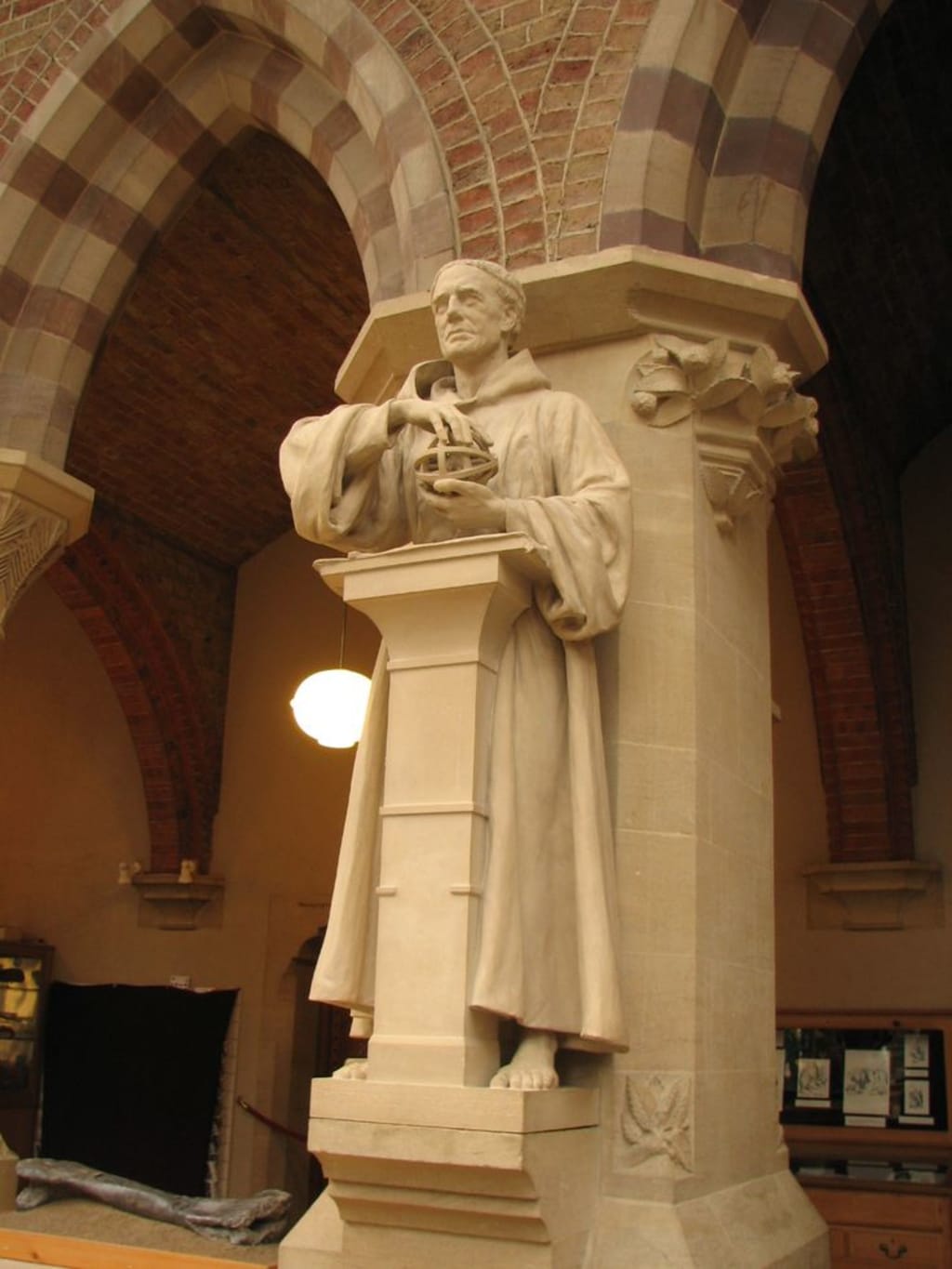
Roger Bacon: The Visionary Philosopher and Early Advocate of the Scientific Method
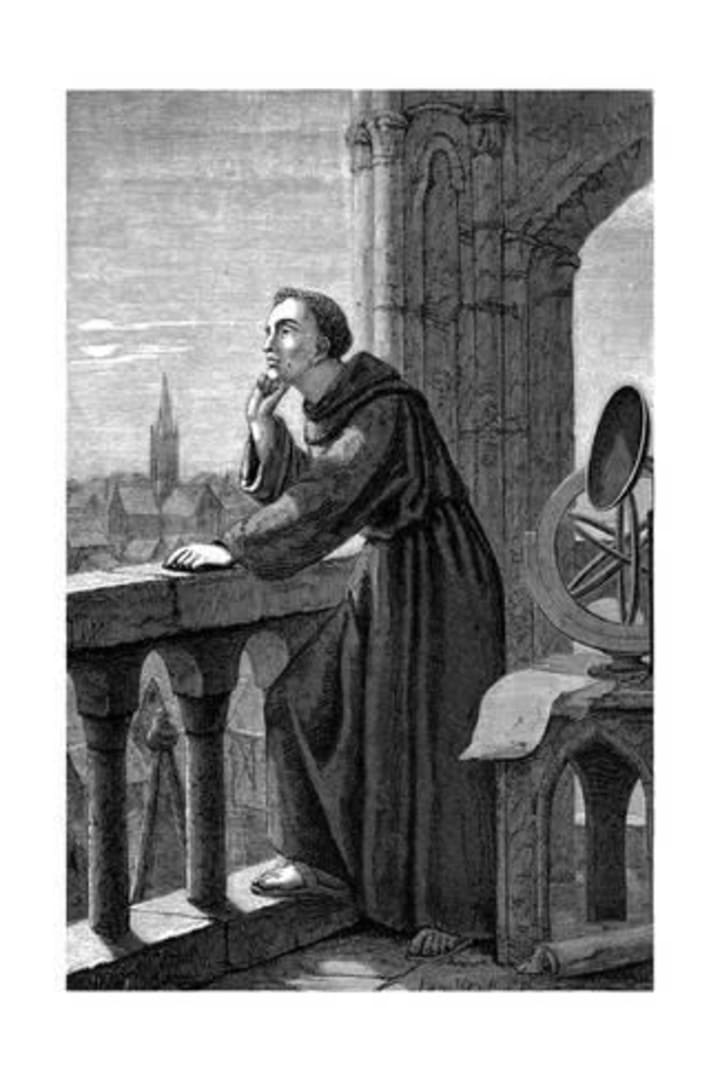
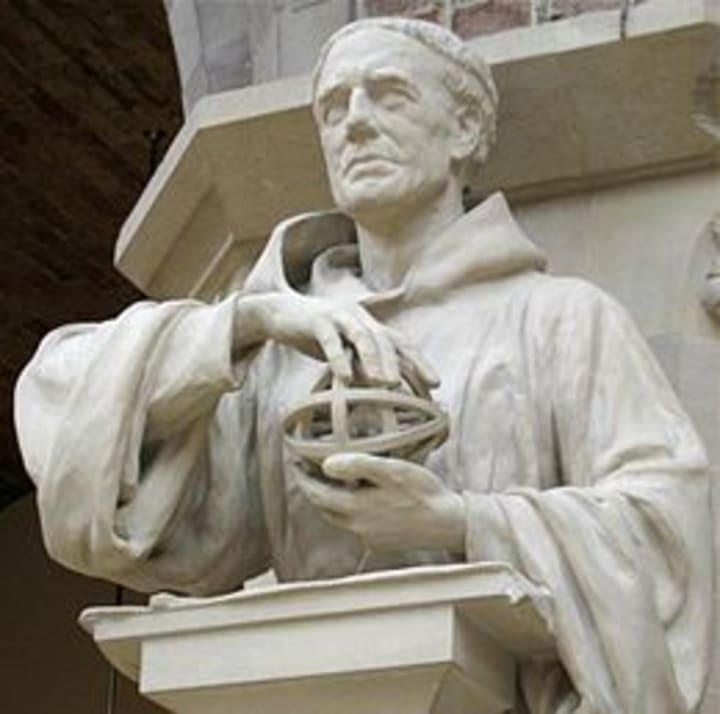
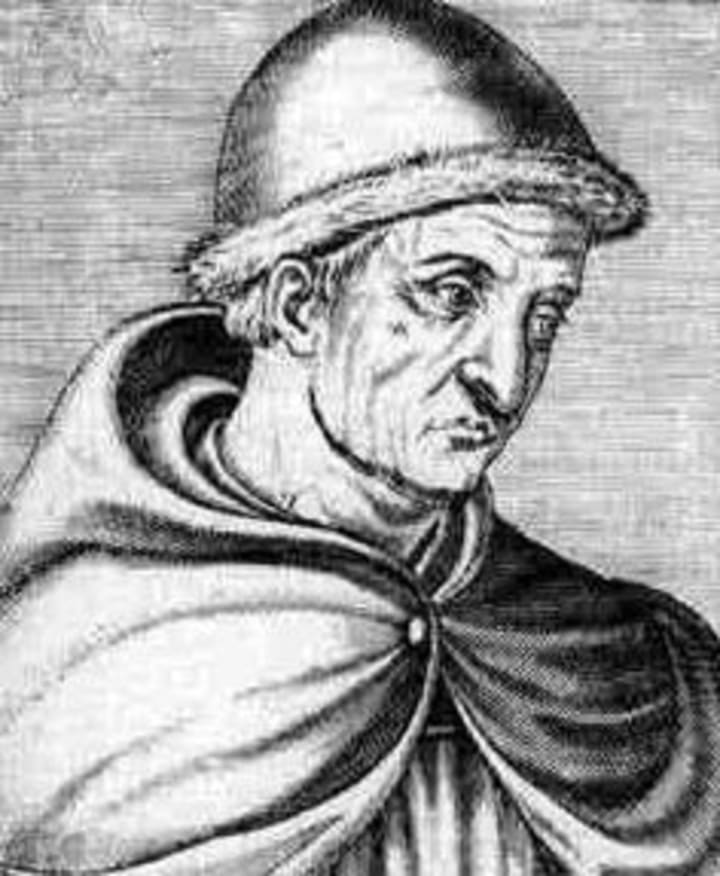
Roger Bacon (1219/20–1292) was a medieval English philosopher, scientist, and theologian whose work profoundly influenced the development of modern science. Often regarded as one of the forerunners of the scientific method, Bacon emphasized observation, experimentation, and the practical application of knowledge in a time when scholasticism and reliance on authority were the dominant intellectual paradigms. This essay delves into Bacon’s life, his major contributions, and his enduring legacy.
Early Life and Education
Roger Bacon was born in Ilchester, Somerset, England, around 1219 or 1220, into a relatively affluent family. His early education likely included a strong grounding in the trivium (grammar, rhetoric, and logic) and quadrivium (arithmetic, geometry, music, and astronomy), the standard curriculum of medieval learning.
He continued his studies at Oxford University, which was emerging as a prominent center of learning in the 13th century. There, Bacon likely encountered the works of Aristotle and the growing influence of Arabic science and philosophy, particularly through translations of scholars such as Avicenna and Alhazen. These works deeply influenced his intellectual development.
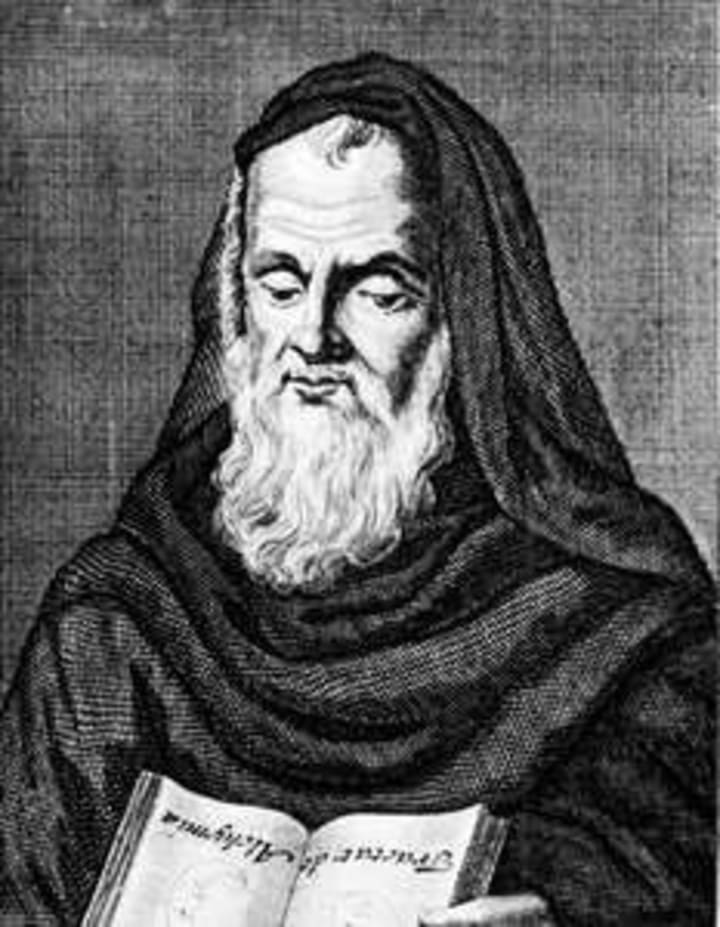
Academic Career and Influence of the Franciscans
After his studies at Oxford, Bacon moved to the University of Paris, the leading academic institution in Europe at the time. In Paris, he became a Master of Arts and was exposed to the debates between the scholastics, who emphasized logical reasoning and authority, and those advocating for empirical observation.
Around 1257, Bacon joined the Franciscan Order, which had a profound impact on his intellectual pursuits. As a Franciscan friar, he was required to focus on theology, but he continued his scientific investigations, often to the consternation of his superiors.
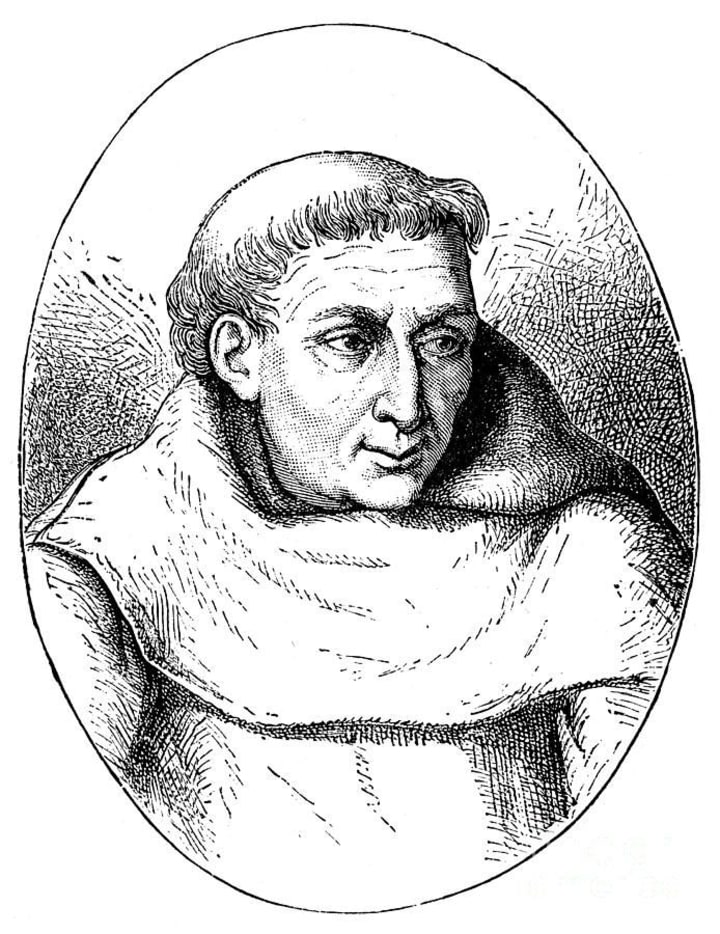
Contributions to Science and Philosophy
**Advocacy of Empiricism**
One of Bacon’s most significant contributions was his advocacy for empirical observation and experimentation. He criticized the overreliance on authority, particularly the works of Aristotle, and urged scholars to verify knowledge through direct observation and systematic experimentation. In his work *Opus Majus*, he wrote:
> “There are two modes of acquiring knowledge, namely, by reasoning and by experience. Reasoning draws a conclusion, but does not make the conclusion certain unless the mind discovers it by the path of experience.”
**Optics and Light**
Bacon made groundbreaking contributions to the study of optics, drawing heavily on the works of Arabic scholars like Alhazen. He explored the nature of light, vision, and the properties of lenses. His experiments laid the groundwork for the development of eyeglasses and foreshadowed later advances in the field of optics.
**Alchemy and Early Chemistry**
Although alchemy was a precursor to modern chemistry, Bacon approached it with a more scientific perspective. He believed that by understanding the properties of substances, humanity could transform materials and create useful compounds. His interest in alchemy extended to practical applications, such as the formulation of gunpowder.
**Technological Predictions**
Bacon’s writings include remarkable foresight into future technologies. He speculated about the possibility of flying machines, mechanically propelled vehicles, and advanced weaponry. These ideas, though fantastical at the time, highlight his imaginative approach to science and technology.
**Calendar Reform**
Bacon was one of the early advocates for reforming the Julian calendar. He recognized inaccuracies in the calendar system and suggested adjustments to align it more closely with astronomical observations. His recommendations were not implemented during his lifetime but anticipated the eventual adoption of the Gregorian calendar in 1582.
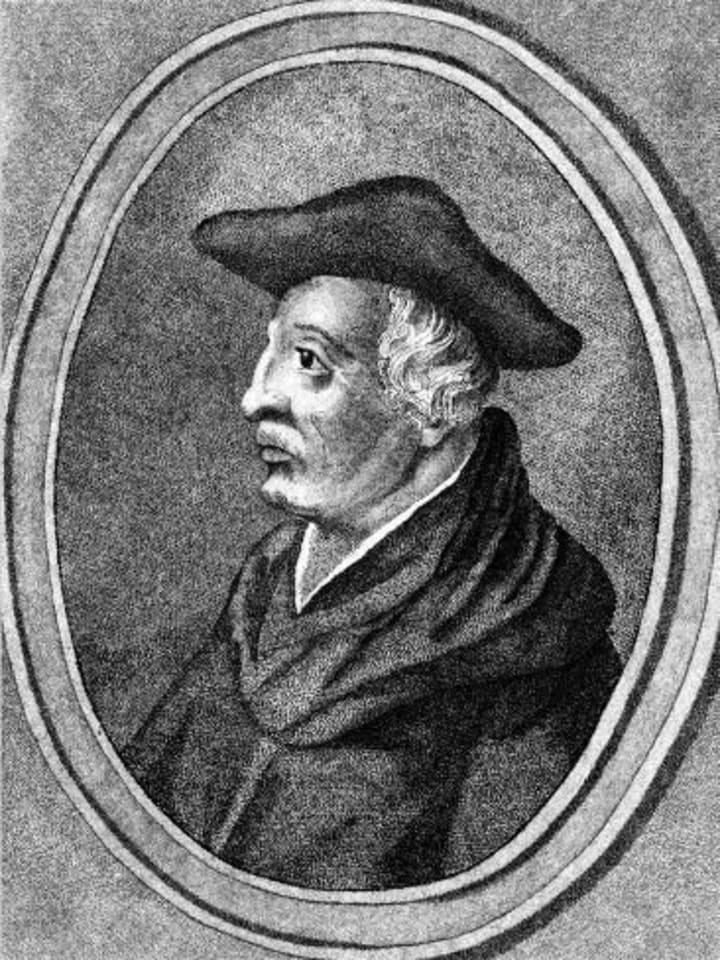
The *Opus Majus*: A Magnum Opus of Medieval Thought
Bacon’s *Opus Majus* (Great Work), written around 1267, is a comprehensive treatise on science, philosophy, and theology. Commissioned by Pope Clement IV, the work demonstrates Bacon’s wide-ranging intellect and his vision for integrating science into Christian theology.
The *Opus Majus* consists of seven parts, covering topics such as the necessity of grammar for learning, the application of mathematics to natural phenomena, the study of optics, the benefits of experimental science, and the moral and theological implications of knowledge. This work stands as a testament to Bacon’s belief in the unity of knowledge.
Conflict with the Church
Bacon’s bold ideas and unorthodox methods often brought him into conflict with ecclesiastical authorities. His advocacy for empirical science and his criticism of traditional scholasticism were seen as challenges to established norms.
As a member of the Franciscan Order, Bacon was bound by its strict rules, which discouraged independent study and publication without approval. His insistence on pursuing his studies and disseminating his ideas led to accusations of heresy and sorcery. He was imprisoned for several years, although the exact reasons and duration remain unclear.
Legacy and Impact
**Influence on the Scientific Method**
While Bacon did not fully develop the modern scientific method, his emphasis on observation, experimentation, and skepticism of authority paved the way for later thinkers like Galileo Galilei and Francis Bacon (no relation). His works contributed to the gradual shift from scholasticism to the empiricism that characterizes modern science.
**Rediscovery and Recognition**
Roger Bacon’s ideas were largely forgotten in the centuries following his death, overshadowed by the dominance of scholastic philosophy. However, during the Renaissance, his works were rediscovered and celebrated as a precursor to the scientific revolution. His reputation as a pioneer of scientific thought grew, earning him the moniker "Doctor Mirabilis" (Wonderful Teacher).
Conclusion
Roger Bacon’s life and work stand as a testament to the power of curiosity and the pursuit of knowledge. Despite the intellectual constraints of his time, he championed a vision of science that prioritized observation, experimentation, and the practical application of learning. His contributions to optics, alchemy, and technological speculation highlight his innovative spirit, while his advocacy for empiricism laid the foundation for the scientific advancements of later centuries.
As we reflect on the legacy of this remarkable medieval thinker, we are reminded of the enduring importance of questioning established norms, seeking truth through evidence, and embracing the boundless possibilities of human ingenuity. Roger Bacon’s vision remains an inspiration for scientists, philosophers, and learners worldwide.
About the Creator
Mahalakshmi
"My name is Mahalakshmi, and I'm passionate about storytelling in all its forms. From fiction to real-life tales, I love writing all types of stories that inspire, entertain, and spark imagination. Join me on this creative journey!"
Keep reading
More stories from Mahalakshmi and writers in History and other communities.
The Enduring Value of Real Scientists
The Enduring Value of Real Scientists Science has always been the cornerstone of human progress, unraveling the mysteries of the universe and addressing real-world challenges. True scientists dedicate their lives to observation, experimentation, and discovery, contributing not only to human understanding but also to societal advancement. This article delves into the values that real scientists embody, the principles they uphold, and their enduring impact on the world.
By Mahalakshmiabout a year ago in History
World War I
The morning fog lay thick over the trenches of northern France, clinging to the earth as if it too feared what was about to happen. Private Thomas Hale pulled his coat tighter around himself, though it did little to stop the cold from seeping into his bones. He had been in the trenches for six months, yet the damp smell of mud, smoke, and fear still felt unfamiliar, like a nightmare he could not wake from.
By Maavia tahir5 days ago in History
Chicago Hospital Held Newborn Baby for 8 Months Over an Unpaid Medical Bill
Debts were handled much differently in the 19th and early 20th century. Back then, people who accrued debt had more to fear than letters and calls from collection agencies the same way we do today, especially if they owed a hospital or doctor money.
By Criminal Matters6 days ago in History
How to Succeed at the Benson Directory®
Congratulations and welcome to the Benson Directory® employee #22391! As our newest call handler, you will have the privilege of speaking with dozens of unique and interesting people on a daily basis as well as the opportunity to earn bonuses for high performance. Contained within this handbook you will find a set of ease to follow instructions designed to help you settle in to your new role and begin paving the way to success.
By S. A. Crawforda day ago in Fiction



Comments
There are no comments for this story
Be the first to respond and start the conversation.