
Reevaluating Soy’s Role in Breast Cancer Mitigation: A Comprehensive Reassessment in Nutritional Oncology
Advanced Insights into a Historically Controversial Dietary Component


Description: Breast cancer remains a pervasive global health challenge, particularly among women across diverse demographics. Historically, dietary constituents such as soy have faced extensive scrutiny due to their phytoestrogenic properties, which were presumed to potentiate oncogenic pathways. However, an expanding body of rigorous, peer-reviewed research now suggests that soy may paradoxically exert chemoprotective effects against breast carcinogenesis. This scholarly examination critically evaluates the evolving scientific discourse, elucidates clinical implications, and presents evidence-driven recommendations for incorporating soy into comprehensive cancer-preventive strategies.
Breast Cancer Etiology: A Multifactorial and Molecularly Complex Paradigm
Breast cancer emerges from malignant epithelial transformations within mammary tissues, driven by an intricate interplay of genetic, hormonal, behavioral, and environmental factors. The pathogenesis is underscored by several pivotal determinants:
Genomic Susceptibilities: Germline mutations, particularly in BRCA1 and BRCA2, markedly elevate oncogenic potential and necessitate vigilant surveillance.
Behavioral and Lifestyle Determinants: Dietary inadequacies, physical inactivity, tobacco use, and alcohol consumption significantly exacerbate cancer susceptibility.
Endocrine Modulation: Chronic exposure to elevated endogenous estrogens—arising from factors such as early menarche, delayed menopause, or exogenous hormone therapies—intensifies oncogenic risk.
Environmental Carcinogenesis: Exposure to ionizing radiation, industrial toxins, and endocrine-disrupting agents compounds the overall carcinogenic burden.
Soy’s Reevaluation: A Paradigm Shift in Oncology Nutrition
Soy, once vilified for its high concentration of phytoestrogens—particularly isoflavones—was historically implicated in exacerbating hormone-sensitive malignancies. Contemporary research, however, challenges this reductionist view.
Seminal Findings from Emerging Research:
Isoflavones as Context-Dependent Estrogen Receptor Modulators: Unlike endogenous estrogens, isoflavones function as selective estrogen receptor modulators (SERMs), preferentially binding to estrogen receptor-β (ERβ) and exerting antiproliferative effects on breast tissue.
Recurrence Reduction: Meta-analytic reviews suggest a significant inverse correlation between soy intake and breast cancer recurrence rates, particularly in populations with habitual soy consumption.
Enhanced Survival Metrics: Longitudinal cohort studies, particularly in East Asian populations, demonstrate improved post-diagnostic survival metrics associated with sustained soy consumption.
Dose-Dependent Protective Efficacy: Quantitative analyses reveal a proportional relationship between soy intake volume and reduced breast neoplasm incidence.
📊 [Insert Infographic: Comparative Analysis of Breast Cancer Recurrence Rates Across Varied Soy Consumption Levels]
Molecular Mechanisms Underlying Soy’s Chemoprotective Potential
Beyond its phytoestrogenic activity, soy exhibits multifaceted chemopreventive properties through diverse biochemical pathways:
Anti-inflammatory Modulation: Soy’s bioactive constituents attenuate pro-inflammatory cascades, notably those mediated by NF-κB and COX-2, implicated in tumorigenesis.
Endocrine Equilibrium: Isoflavones modulate estrogen signaling by competitively binding to estrogen receptors, particularly stabilizing hormonal fluctuations in postmenopausal women.
Oxidative Stress Reduction: The antioxidative profile of soy reduces reactive oxygen species (ROS)-induced DNA damage, enhancing genomic stability.
Epigenetic Regulation: Preliminary investigations suggest soy’s potential role in modulating DNA methylation patterns and histone acetylation, thereby influencing tumor suppressor gene expression.
Strategic Dietary Integration: Optimal Soy-Based Nutritional Sources
To harness soy’s chemopreventive benefits, the following whole-food sources are recommended:
Tofu: A versatile protein source adaptable across diverse culinary applications.
Tempeh: A fermented soy product enriched with probiotic compounds that enhance gut microbiota resilience.
Soy Milk: A nutrient-dense dairy alternative fortified with calcium and vitamin D.
Edamame: A minimally processed source of complete plant proteins.
Miso: A probiotic-rich fermented paste containing bioactive peptides.
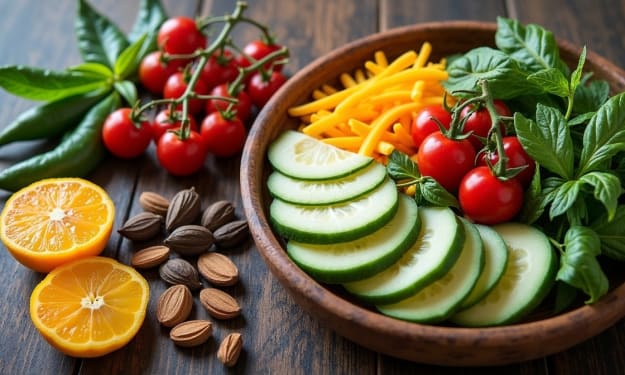
🥗 [Insert Visual: Curated Display of Nutrient-Dense, Minimally Processed Soy-Based Dishes]
Case Study: Integrative Nutritional Oncology from an Indian Clinical Perspective
Anita, a 42-year-old educator from Mumbai, was diagnosed with early-stage invasive ductal carcinoma. As part of an integrative therapeutic protocol, her clinical nutritionist implemented a dietary intervention emphasizing increased soy consumption. Over a longitudinal three-year follow-up, Anita’s biomarker profiles remained stable, with notable improvements in energy levels and overall quality of life, underscoring the adjunctive potential of targeted nutritional strategies.
Dispelling Misconceptions Surrounding Soy Consumption
Misconception: Soy indiscriminately elevates systemic estrogen levels, thereby exacerbating tumor progression.
✅ Clarification: Isoflavones selectively bind to ERβ, exerting antiproliferative effects on breast tissue.
Misconception: All soy derivatives confer identical health outcomes.
✅ Clarification: Whole, minimally processed soy sources confer chemoprotective benefits, whereas ultra-processed derivatives may lack similar efficacy.
Misconception: Soy negatively affects thyroid function.
✅ Clarification: In euthyroid individuals with adequate iodine intake, moderate soy consumption exerts negligible effects on thyroid hormone regulation.
Clinical Guidelines and Evidence-Based Consumption Recommendations
Consult with an oncology specialist or registered dietitian prior to significant dietary modifications, especially in hormone-sensitive cases.
Prioritize consumption of organic, non-GMO soy products to mitigate exposure to agricultural contaminants.
Limit reliance on ultra-processed soy-based supplements unless clinically indicated.
Proven Strategies for Breast Cancer Risk Mitigation
✔️ Integrate whole-food, minimally processed soy into daily dietary patterns.
✔️ Engage in consistent physical activity, targeting at least 150 minutes of moderate-intensity exercise weekly.
✔️ Eliminate tobacco use and moderate alcohol intake.
✔️ Undergo routine screenings and clinical examinations for early detection.
🔗 [Link: Indian Cancer Research Foundation for Comprehensive Educational Resources and Support Services]
Conclusion: A Reappraisal of Soy’s Role in Breast Cancer Prevention
The contemporary scientific consensus necessitates a reexamination of soy’s oncological implications. Rather than functioning as a carcinogenic agent, empirical evidence increasingly suggests that soy exerts protective effects when consumed within a balanced, evidence-informed diet. Personalized nutritional interventions, underpinned by robust clinical research, represent a promising adjunct to conventional cancer therapeutics.
🌟 [Insert Visual: Inspirational Quote from a Leading Indian Oncologist on Nutrition’s Integral Role in Comprehensive Cancer Care]
Further Academic Engagement:
👉 Explore our advanced guide on integrative cancer-preventive nutritional strategies.
👉 Subscribe for updates on cutting-edge research in oncological nutrition.
👉 Contribute your clinical experiences with dietary soy—join the scholarly discourse below.
About the Creator
Keep reading
More stories from Kajal Devi and writers in History and other communities.
This Gut-Healthy Food Could Lower Your Colon Cancer Risk, New Study Suggests
Abstract: A groundbreaking study has unveiled a significant correlation between the consumption of gut-enhancing foods and a reduced risk of colorectal cancer. This detailed analysis delves into the intricate biochemical mechanisms underlying this association, exploring molecular pathways and offering practical, evidence-backed strategies for incorporating these nutrient-rich foods into daily diets. Special attention is given to Indian culinary traditions, ensuring cultural resonance and accessibility across diverse demographics.
By Kajal Deviabout a year ago in Chapters
Hidden Fortune: 100 Kilograms of Gold Discovered in Inherited House
A surprising discovery inside an inherited home has captured widespread attention after authorities confirmed that approximately 100 kilograms of gold were found hidden within the property. The unexpected find, which is worth millions of dollars at current market prices, has sparked intrigue, legal debates, and speculation about how such a large treasure remained concealed for so long.
By Irshad Abbasi 5 days ago in History


Comments
There are no comments for this story
Be the first to respond and start the conversation.