
Prehistoric Horrors: Creatures Scarier Than Dinosaurs
Life on Earth would have been a different, scarier story if dinosaurs had never gone extinct. But what if we told you that even before the dinosaurs roamed the planet, there were creatures that were even bigger, badder, and more ferocious? From colossal serpents to bizarre monsters that seem to leap from the pages of nightmares, here are some of the most terrifying prehistoric animals.

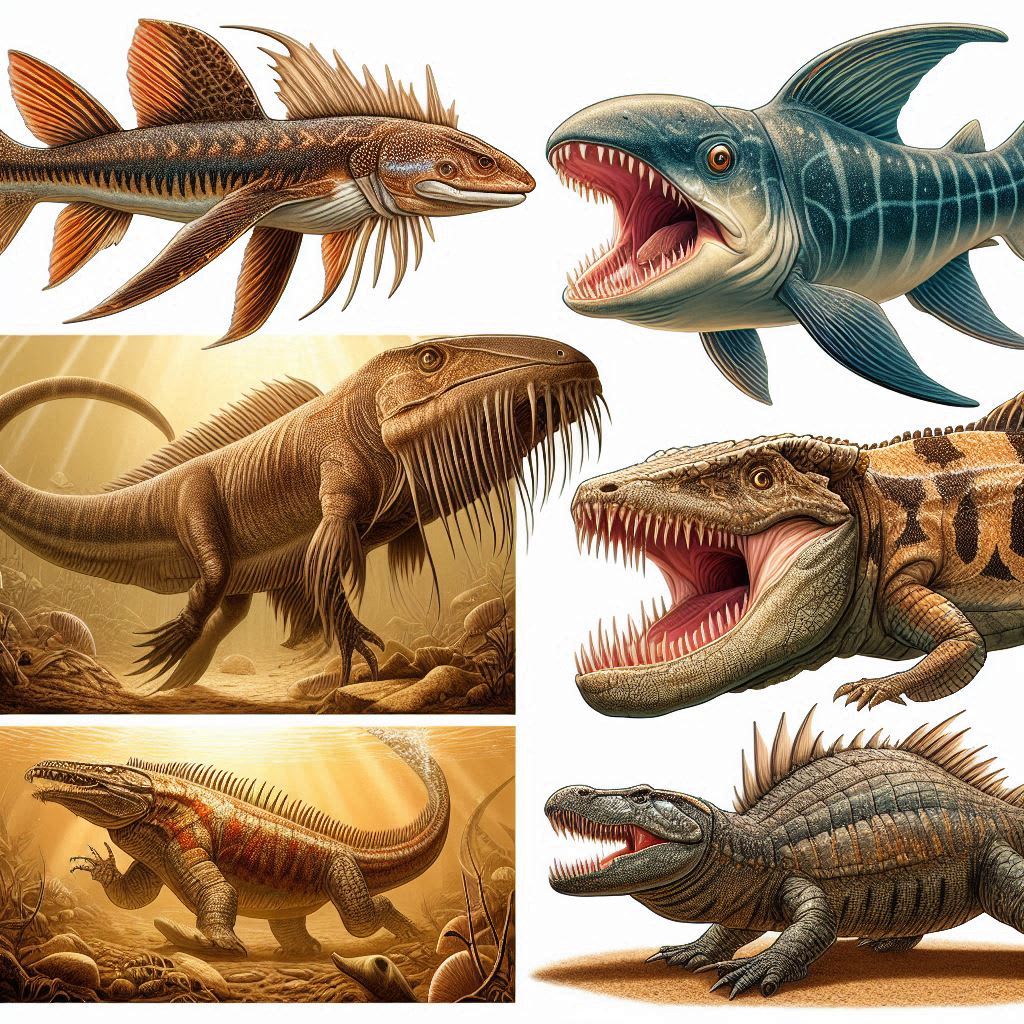
## Dunkleosteus: The Armored Fish
One of the most fearsome water dwellers was **Dunkleosteus**, a brutish fish that lived during the late Devonian Period, around 370 to 360 million years ago. This streamlined creature could reach lengths of 26 to 32 feet and boasted an armored head with a face only a mother could love. Surprisingly, Dunkleosteus had no proper teeth; instead, it possessed two long bony blades capable of crushing almost anything, including fish, sharks, and even its own kind. With an estimated bite force of up to 8,000 pounds per square inch, Dunkleosteus was a formidable predator. Ironically, its greed often led to indigestion, with fossils found alongside its regurgitated remains.
## Helicoprion: The Buzzsaw Fish
**Helicoprion** is one of the most perplexing creatures from the past. This 20 to 25-foot-long fish lived around 270 million years ago and is best known for its bizarre tooth whorl, which looked like a fossilized fruity roll-up. The unique arrangement of teeth puzzled scientists for over a century until a 2013 study proposed that the whorl filled the lower jaw, functioning like a buzz saw. As Helicoprion closed its jaw, the teeth would rotate backward, slicing through prey. Thankfully, this terrifying predator went extinct about 225 million years ago.
## Terror Birds: The Land Predators
After the dinosaurs vanished, the **Phorusrhacidae**, commonly known as terror birds, became the top land predators in South America. These fearsome feathered beasts grew up to 10 feet tall, equipped with T-Rex-like feet and hooked beaks capable of severing the spinal cord of a horse. With no significant competition for herbivorous prey, terror birds thrived for about 60 million years until their extinction around 2.5 million years ago.
## Platybelodon: The Spork Elephant
Imagine an elephant with a trunk that resembles a fleshy spork—meet **Platybelodon**. This peculiar creature roamed Earth between 8 and 20 million years ago. Its unique jaw featured a second pair of tusks used for digging and gathering vegetation. While it might not have posed a direct threat to humans, Platybelodon certainly had one of the freakiest appearances in history.
## Andrewsarchus: The Fearsome Mammal
Named after the expedition leader who discovered its remains, **Andrewsarchus** was a fearsome mammal that lived around 45-36 million years ago. Although no complete skeleton has been found, its skull measured nearly three feet long, leading paleontologists to estimate its size at around 16 feet in length and up to 2,200 pounds. This massive predator was the largest known meat-eating land mammal and likely had a terrifying presence.
## Titanoboa: The Giant Snake
The largest snake to ever exist, **Titanoboa**, was a colossal 50 feet long and weighed about 2,500 pounds. It prowled the swampy waters of what is now Colombia around 60 million years ago. This massive serpent was an ambush predator, using its strength to crush its prey, which included large reptiles and even crocodiles. If Titanoboa still existed today, it would certainly be a nightmare for anyone brave enough to swim in its territory.
## Jaekelopterus: The Sea Scorpion
Picture a giant sea scorpion, and you’ll get **Jaekelopterus**. This eight-foot-long Eurypterid lived about 460 million years ago and was the largest arthropod known to have existed. With segmented bodies and huge spring-loaded claws, Jaekelopterus was a formidable underwater predator capable of snatching up fish in its grasp.
## Phoberomys Pattersoni: The Ratzilla
If you think rats are scary, imagine a rat the size of a small car. **Phoberomys Pattersoni** was a massive rodent that lived around 10 million years ago, measuring about 10 feet long with a five-foot tail. While primarily herbivorous, these enormous creatures possessed foot-long incisors that could inflict serious damage if provoked.
## Hallucigenia: The Confounding Worm
The **Hallucigenia** is perhaps one of the most bizarre creatures ever discovered. This tiny worm-like organism lived over 400 million years ago and baffled scientists for decades regarding its anatomy. With its multiple spines and tentacle-like appendages, Hallucigenia had a unique appearance that seemed almost nonsensical, earning its name. It may have been small, but its strange morphology certainly left a lasting impression.
## Anthropleura: The Gigantic Millipede
Imagine an eight-and-a-half-foot-long millipede scuttling across the Earth. **Anthropleura** roamed during the late Carboniferous Period and was the largest land invertebrate known. While likely herbivorous, its size and movement would have been enough to frighten anyone who crossed its path.
## Mosasaurus: The Marine Predator
Though featured in popular films, the **Mosasaurus** is not a dinosaur but a marine reptile closely related to snakes. This enormous creature swam the oceans around 80 to 66 million years ago and could reach lengths of 45 to 50 feet. Its massive jaws, filled with rows of terrifying teeth, made it a dominant predator of its time.
## Triassic Kraken: The Legend of the Sea Monster
While tales of the Kraken have haunted sailors for centuries, Professor Mark McMenamin has suggested that a massive cephalopod may have existed during the Triassic period. He speculates that colossal squids could have preyed on giant marine reptiles, lending some credibility to the legendary stories of sea monsters.
If you had the power to bring back one of these prehistoric horrors, which would you choose? From gigantic snakes to terrifying birds, the creatures that once roamed the Earth are a chilling reminder of how life can be both wondrous and frightening.
About the Creator
THiNK
Think - Your go-to destination for exploring captivating mysteries, insightful psychology, intriguing facts, and the latest news. Our mission is to spark curiosity and inspire learning. Join us as we uncover the unknown!
The Year 1906 in Review: Fun Facts, Trivia, and Historic Highlights
This quick read is a collection of fun facts, trivia, and historic events from the year 1906. Learn about the year’s top news stories, most influential people, famous birthdays, sports trivia, noteworthy inventions, and much more.
By Gregory DeVictora day ago in History


Comments
There are no comments for this story
Be the first to respond and start the conversation.