
Playground Legends: How Outdoor Games Shaped Childhood.
Children's outdoor games have a rich history. They are connected to cultures around the world. These games bring joy, help kids socialize, and encourage physical activity. Children learn important life skills while playing. These skills include teamwork, strategy, and resilience. This article will highlight their significance and show how they have evolved over time.

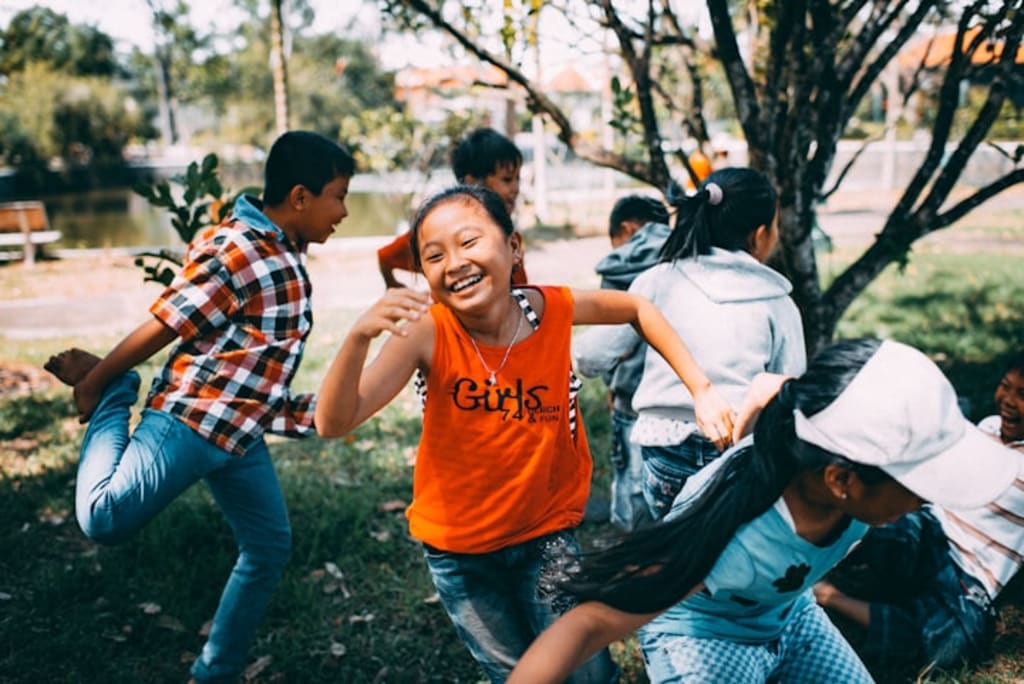
Children’s outdoor games have been an essential part of childhood for centuries. They not only provide a way for kids to have fun but also play a crucial role in their development. From the simple joy of running around in the park to the excitement of competitive play, these games have shaped social interactions and physical skills in children around the world. Each game carries a unique history and cultural significance, reflecting the values and traditions of the communities that created them. In this article, we will journey through time to explore the fascinating origins of some of the most beloved outdoor games. We will uncover how these games have evolved, the lessons they impart, and why they continue to be cherished by generations of children.
1. Spud
Origin and Gameplay
Spud is a classic playground game that has entertained children for decades. While its exact origin remains unclear, it is believed to have roots in the early 20th century in North America. The game involves a group of players forming a circle, with one player designated as "It." The "It" player throws a ball into the air and calls out a number. The player assigned that number must catch the ball, while the others scatter. If the player with the ball successfully hits someone, that person earns a letter in the word "SPUD." The game continues until a player collects all four letters and must sit out until a winner emerges.
Significance
Spud encourages physical activity, hand-eye coordination, and social interaction. Its simplicity and adaptability have made it a favorite among children, fostering creativity in gameplay variations.
2. Tag
Origin and Variations
Tag, known for its simplicity and excitement, is believed to have originated in Europe, later spreading to England and the United States. The basic premise involves one player being "It" and chasing the other players until they can successfully "tag" someone. Over the years, numerous variations of tag have emerged, including freeze tag, flashlight tag, and capture the flag.
Cultural Impact
Tag has become a universal game, with children worldwide playing different versions. Its core principles of chase and tag foster physical fitness and social connections among peers. The game serves as a rite of passage for many children, allowing them to develop agility and strategy while having fun.
3. Hopscotch
Historical Roots
Hopscotch dates back to ancient Rome, where it was originally a training game for soldiers. The game traveled through time and cultures, becoming a staple among children in England during the Roman Empire. Traditionally, players hop on numbered squares drawn on the ground, often using chalk or other materials.
Gameplay and Variations
Players toss a stone onto the hopscotch board and must jump to retrieve it without stepping on the lines or falling. The game encourages balance, coordination, and counting skills. Variations exist worldwide, with different patterns and rules reflecting local cultures.
4. Red Rover
Origins and Gameplay
Red Rover is a classic playground game that originated in England and spread to Canada and Australia. The game involves two teams forming a chain by holding hands while trying to break through the opposing team's line. The team that successfully breaks through wins the game.
Why It’s Popular
Red Rover promotes teamwork, strategy, and physical strength. It can be played with large groups, making it ideal for playground settings. The thrill of breaking through the opposing team's chain creates a sense of excitement and camaraderie among players.
5. Red Light, Green Light
Historical Background
Red Light, Green Light is a game with roots in the United Kingdom. The game is simple: one player acts as the "traffic light," calling out "green light" to allow players to advance and "red light" to stop them. Players must freeze when "red light" is called, or they are out.
Game Dynamics
The objective is to reach the "traffic light" first while adhering to the rules. This game teaches children about self-control, listening, and following instructions, all while being active and engaged.
6. Capture the Flag
Origins and Warfare
Capture the Flag has its origins in military training exercises, where teams would attempt to capture the opposing team's flag without being tagged. Although its exact origin is difficult to pinpoint, it has been a popular outdoor game since the 19th century.
Gameplay Elements
In Capture the Flag, players split into two teams, each with a flag hidden in their territory. The objective is to capture the opposing team's flag and bring it back to your side without being tagged. The game promotes strategy, teamwork, and physical fitness, making it a favorite among children and adults alike.
7. Jump Rope
Historical Roots
Jump rope is a timeless game that can be traced back to ancient Egypt, where children used vines to create ropes for skipping. The game has since evolved, becoming a popular playground activity in many cultures.
Gameplay and Skills Developed
Jump rope can be played individually or in groups, with players performing tricks and challenges. The game enhances coordination, rhythm, and cardiovascular fitness. It is often accompanied by rhymes and songs, adding an element of creativity to the activity.
8. Hula Hoop
Origins of the Hula Hoop
The hula hoop originated in ancient cultures, with variations found in Greece and the Polynesian islands. In the 1950s, it gained immense popularity in the United States, becoming a cultural phenomenon.
Hula Hooping as a Game
While hula hooping can be a solitary activity, it also serves as a competitive game. Children can challenge each other to see who can keep the hoop spinning the longest. This activity promotes coordination, balance, and cardiovascular fitness.
9. Marbles
Ancient Roots
The game of marbles dates back to ancient civilizations, including the Egyptians and Romans. The materials used for marbles have evolved over time, from stones to glass.
How to Play
Players take turns shooting their marbles into a circle drawn on the ground, aiming to knock opponents' marbles out of the circle. Marbles enhance fine motor skills, hand-eye coordination, and strategic thinking.
10. Jacks
Historical Background
The game of jacks has been played since ancient Greece, where it was known as "tropaion." The game involves a small ball and a set of metal jacks, challenging players to bounce the ball and pick up as many jacks as possible.
Skills Developed
Jacks promotes hand-eye coordination, agility, and concentration. While its popularity has waned in recent years, it remains a cherished memory for those who grew up playing it.
11. Kickball
Modern Origins
Kickball originated in the United States during the 20th century, combining elements of baseball and soccer. It was introduced to schools as part of physical education programs.
Gameplay
Kickball is played on a diamond-shaped field with bases, similar to baseball. Players kick a rubber ball instead of hitting it with a bat. The game fosters teamwork, coordination, and physical fitness, making it a favorite in schools and community events.
12. London Bridge is Falling Down
Historical Significance
This traditional game dates back to 17th-century England, inspired by the famous London Bridge. Children sing a nursery rhyme while forming an arch with their arms.
Gameplay Dynamics
Players pass under the arch while the bridge "falls" when the song ends, capturing those caught beneath. This game encourages rhythm, cooperation, and social interaction among children.
13. Foursquare
Origin and Evolution
Foursquare is believed to have originated in the 20th century, initially known as "box ball." The game has evolved into various formats, played on a square court divided into four smaller squares.
Gameplay Mechanics
Players take turns bouncing a ball into the other squares, aiming to eliminate opponents by successfully hitting their square. Foursquare develops hand-eye coordination, strategy, and social skills as players interact.
14. Monkey in the Middle
Cultural Roots
Monkey in the Middle, also known as "piggy in the middle," has been played by children for generations. The game involves three players, with one in the middle trying to intercept the ball thrown between the other two.
Skills Developed
This game promotes teamwork, communication, and agility. It encourages players to think strategically and develop their reflexes as they strive to catch the ball.
Conclusion
Children's outdoor games have stood the test of time, adapting and evolving while remaining a crucial part of childhood. From Spud and Tag to Jump Rope and Capture the Flag, these games not only provide entertainment but also contribute to physical development, social skills, and teamwork. As children engage in these activities, they create memories that last a lifetime and foster a sense of community and belonging. The legacy of these games continues to inspire new generations of children, proving that play is an essential aspect of growing up.
About the Creator
Tipu Das
Hi, I’m Tipu! I love storytelling and exploring various topics. Whether it's history, trends, or personal growth, I'm here to share insights. Join me on this journey as we discover new ideas together!
The V-Shaped Torture Device: A Dark Reminder from Europe’s Brutal Past
History is often remembered through stories of great empires, heroic leaders, and remarkable achievements. Yet behind many of these achievements lies a darker reality—one filled with cruelty, punishment, and suffering. Across medieval Europe, various instruments of torture were created not only to punish criminals but also to intimidate societies and maintain control. One such device was the infamous V-shaped torture bench, a chilling reminder of how brutal justice could be in the past.
By Irshad Abbasi 7 days ago in History



Comments
There are no comments for this story
Be the first to respond and start the conversation.