
Losing Our Wildlife: The Urgent Need To Protect Biodiversity
Understanding the Rapid Loss of Biodiversity and How We Can Preserve Earth's Vital Ecosystem

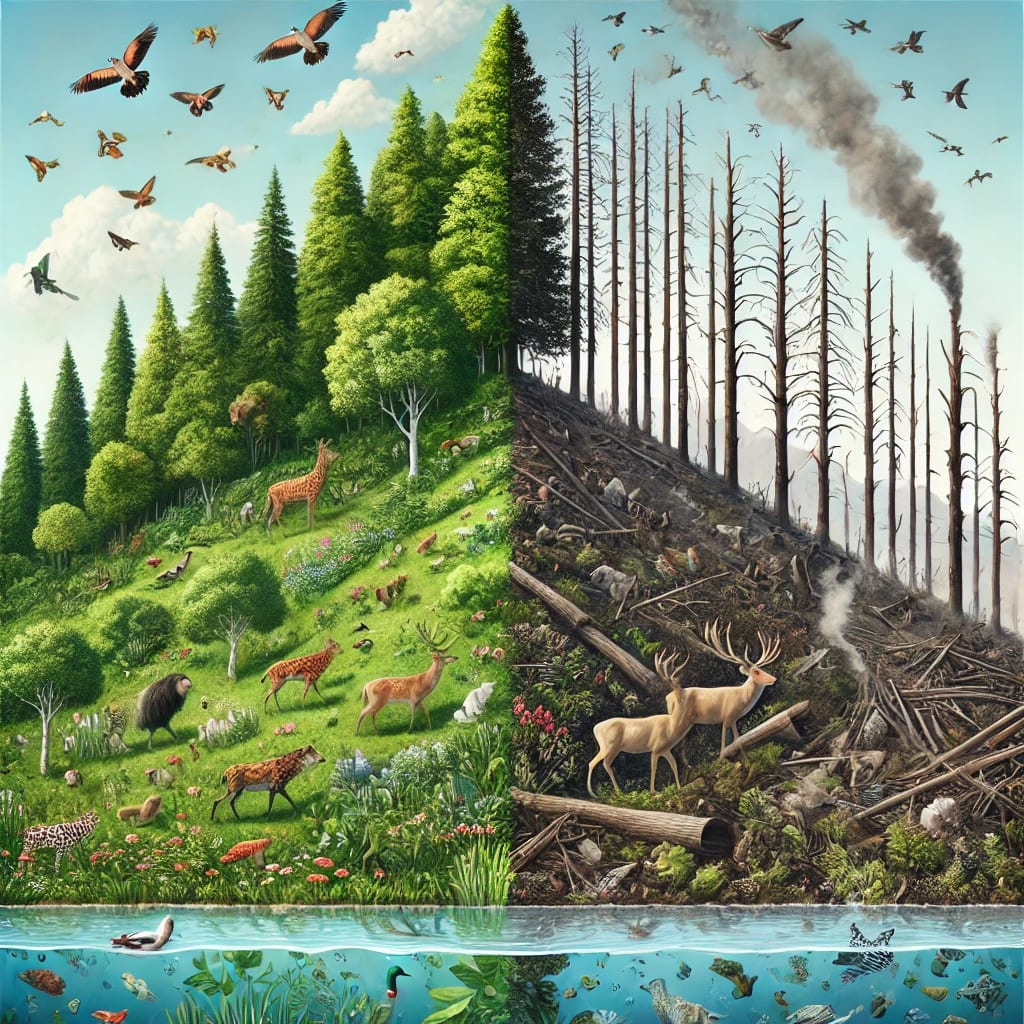
Biodiversity refers to the variety of life on Earth, including plants, animals, and microorganisms. It is essential for maintaining the balance of ecosystems and the health of our planet. Unfortunately, biodiversity is declining at an alarming rate globally, with many species facing extinction. This decline threatens not only the natural world but also human life, as we depend on healthy ecosystems for food, clean water, and other vital resources. In this article, we’ll explore how fast biodiversity is declining, why it matters, and what we can do to slow or reverse the trend.
What Is Biodiversity and Why Is It Important?
Biodiversity encompasses the variety of life in all its forms. It includes genetic diversity within species, the diversity of species in different ecosystems, and the variety of ecosystems themselves, such as forests, oceans, and wetlands.
Biodiversity is crucial for many reasons:
1. Ecosystem stability: Diverse ecosystems are more resilient to changes and disruptions, such as natural disasters or climate change. When there are many different species, the ecosystem is less likely to collapse if one species declines.
2. Human survival: We rely on biodiversity for food, medicine, and clean air and water. For example, many of the medicines we use today are derived from plants and animals. Without biodiversity, we risk losing these essential resources.
3. Economic value: Biodiversity supports industries like agriculture, fishing, and tourism. Healthy ecosystems provide services like pollination, water purification, and soil fertility, which are critical for food production and economic growth.
How Fast Is Biodiversity Declining?
The decline in biodiversity is happening at an unprecedented rate. According to the United Nations, around one million species are currently at risk of extinction. This decline is largely driven by human activities such as deforestation, pollution, overfishing, and climate change.
Some key indicators of biodiversity loss include:
1. Species extinction: The rate of species extinction is now hundreds to thousands of times higher than the natural rate. The International Union for Conservation of Nature (IUCN) Red List shows that about 28% of all assessed species are threatened with extinction.
2. Habitat loss: Deforestation, urbanization, and agriculture are destroying natural habitats at an alarming rate. Forests, which are home to more than 80% of the world’s terrestrial species, are being cleared for farming, logging, and development. This destruction of habitats is one of the main drivers of biodiversity loss.
3. Pollution: Pollution, particularly plastic pollution and chemical runoff, is harming wildlife and ecosystems. Plastic waste is now found in even the most remote parts of the ocean, and chemical pollutants are contaminating rivers, lakes, and soil.
4. Climate change: Rising temperatures and changing weather patterns are causing shifts in ecosystems, making it harder for some species to survive. Polar bears, for example, are losing their sea ice habitat due to global warming.
Why Is Biodiversity Declining So Fast?
Several human activities are responsible for the rapid decline in biodiversity:
1. Habitat destruction: As human populations grow, we are expanding into natural areas to build cities, farms, and infrastructure. This expansion destroys habitats and fragments ecosystems, making it harder for species to survive.
2. Overexploitation of resources: We are taking more from nature than it can replenish. Overfishing, hunting, logging, and mining are depleting the Earth’s resources at unsustainable rates. For example, overfishing has led to the collapse of many fish populations, while illegal wildlife trade is driving species like elephants and rhinos to the brink of extinction.
3. Pollution: Industrial activities, agriculture, and waste disposal are polluting the air, water, and soil. This pollution harms wildlife and ecosystems, leading to biodiversity loss. For instance, pesticides used in farming can kill pollinators like bees, which are essential for plant reproduction.
4. Climate change: The burning of fossil fuels is releasing greenhouse gases into the atmosphere, causing global temperatures to rise. This is disrupting ecosystems and forcing species to migrate or adapt to new conditions. Many species are unable to adapt quickly enough, leading to population declines.
5. Invasive species: When humans introduce non-native species into new environments, these species can outcompete native species for resources, leading to declines in biodiversity. For example, invasive species like the Asian carp in the United States have displaced native fish species in many rivers and lakes.
The Consequences of Biodiversity Loss
The decline in biodiversity has serious consequences for the environment and human society:
1. Ecosystem collapse: As species disappear, ecosystems become less stable and more vulnerable to disruptions. For example, if a key species like a pollinator or a predator is lost, it can trigger a chain reaction that affects the entire ecosystem. This can lead to the collapse of ecosystems that provide essential services like clean water, air, and food.
2. Food security: Biodiversity is essential for agriculture. A diverse range of crops and animals helps ensure food security by providing a variety of food sources. The loss of biodiversity could lead to a decrease in food production and make our food systems more vulnerable to diseases and pests.
3. Health risks: Many of the medicines we use come from plants, animals, and microorganisms. As biodiversity declines, we risk losing potential sources of new medicines. Additionally, the destruction of natural habitats can increase the spread of diseases from animals to humans, as seen with diseases like COVID-19, which are linked to wildlife.
4. Economic losses: Industries that rely on biodiversity, such as fishing, tourism, and agriculture, are at risk of decline. The loss of biodiversity can lead to a decrease in fish populations, reduced tourism revenue, and lower agricultural yields, all of which have economic consequences.
What Can Be Done to Stop Biodiversity Loss?
While the situation is dire, there are steps we can take to slow or reverse biodiversity loss:
1. Conservation efforts: Protecting natural habitats through the creation of national parks, wildlife reserves, and marine protected areas can help preserve biodiversity. Conservation efforts like reforestation and habitat restoration can also help reverse some of the damage caused by human activities.
2. Sustainable practices: Adopting sustainable practices in agriculture, fishing, and forestry can help reduce the pressure on ecosystems. For example, sustainable farming techniques like crop rotation and organic farming can help protect soil health and reduce the need for harmful pesticides.
3. Reducing pollution: Reducing plastic waste, limiting the use of pesticides, and cleaning up polluted areas can help protect wildlife and ecosystems. Governments, industries, and individuals all have a role to play in reducing pollution and protecting the environment.
4. Addressing climate change: Reducing greenhouse gas emissions is essential for slowing the impact of climate change on biodiversity. Transitioning to renewable energy sources, increasing energy efficiency, and reducing deforestation are all important steps in the fight against climate change.
5. Supporting conservation organizations: Many organizations are working to protect biodiversity through research, education, and advocacy. Supporting these organizations through donations or volunteer work can help amplify their efforts.
Conclusion
The global decline in biodiversity is a pressing issue that affects not only the natural world but also human society. The loss of species and ecosystems threatens our food security, health, and economic well-being. However, by taking action to protect habitats, reduce pollution, and address climate change, we can slow or even reverse the decline in biodiversity. It is crucial for governments, businesses, and individuals to work together to ensure a healthy and sustainable future for all life on Earth.
Through collective effort and a commitment to preserving the rich diversity of life on our planet, we can ensure that future generations inherit a world that is not only beautiful but also thriving with life.
About the Creator
Tipu Das
Hi, I’m Tipu! I love storytelling and exploring various topics. Whether it's history, trends, or personal growth, I'm here to share insights. Join me on this journey as we discover new ideas together!
Why Didn't Anyone Tell Us
Men, move along. This is not for you. This is for the women. I was forty-five when I began menopause. It is pretty young for that to be going on in a woman’s life, but I had undiagnosed PCOS, my entire life. Thank you to all the gynecologists I had seen my entire life. That in itself should encourage women to keep seeking second opinions, especially when you are not getting correct answers or any at all.
By Alexandra Grant6 days ago in Humans
What Your Moon Sign Reveals About Your Emotional Needs.
Introduction In the realm of astrology, the moon holds considerable significance, serving as an integral element of a person’s birth chart. While many are familiar with their sun sign, which represents one’s outer personality and ego, the moon sign delves deeper into the emotional landscape of an individual. It reflects our instinctual responses and deepest emotional needs, illuminating how we process feelings and seek comfort.
By Wilson Igbasia day ago in Humans


Comments
There are no comments for this story
Be the first to respond and start the conversation.