
Pakistan’s Silent Role in Afghanistan’s Wars
How geography, politics, and ideology pulled Pakistan into Afghanistan’s decades of conflict

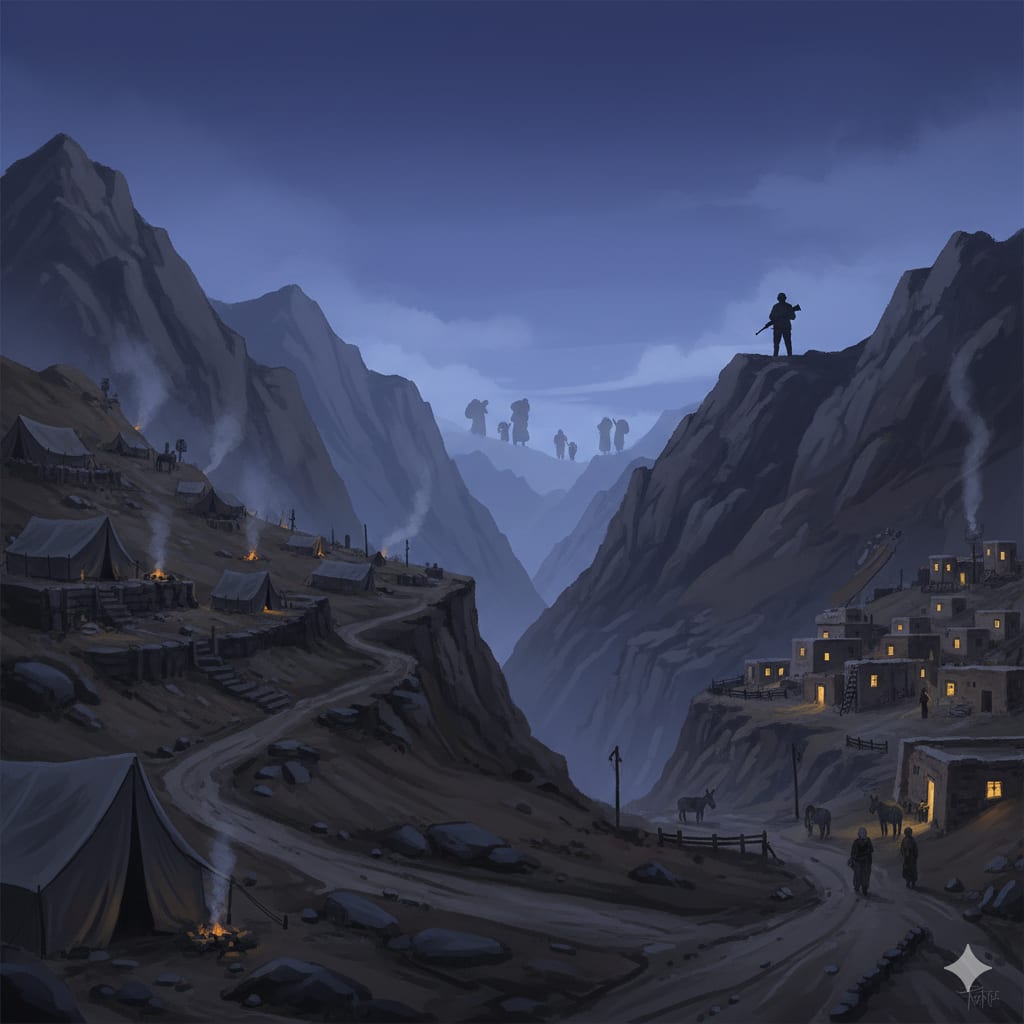
Between Borders and Bullets: Pakistan’s Silent Role in Afghanistan’s Wars
The rugged terrain along the Pakistan-Afghanistan border has long been more than just mountains, passes, and valleys. It is a region where national boundaries meet tribal loyalties, where political ideologies travel in the smoke of gunfire, and where the ambitions of states and ideologues spill across invisible lines. In the story of the Afghan wars, Pakistan has not merely been a neighbor—it has been a player, a conduit, a sanctuary, and sometimes a battleground in its own right.
Early Angles: The Durand Line and Pashtun Identity
When the British drew the Durand Line in 1893, it separated Pashtun tribal lands between what would become Afghanistan and British India (later Pakistan). Many Afghans never accepted this boundary as legitimate, fueling sentiments of Pashtun nationalism in Afghanistan, and creating friction with Pakistan in the decades following Partition. These tensions were a seedbed for later conflicts, as actors on both sides perceived strategic and cultural stakes in those borderlands.
The Soviet Invasion: Pakistan as a Frontline State
In December 1979, when the Soviet Union invaded Afghanistan, Pakistan became a frontline state in a proxy war. Refugees flooded across its western border, turning parts of Khyber Pakhtunkhwa and Baluchistan into vast refugee camps. Simultaneously, the Pakistani military, intelligence services, and government became central sponsors and facilitators of Mujahideen groups—helping to channel financial support, arms, training, and safe passage. These relationships would shape the trajectory of both Afghan insurgents and Pakistan’s own domestic politics.
Post-Soviet Collapse: Spillover and Internal Blowback
When Soviet forces withdrew in 1989, Afghanistan descended into civil war. Pakistan's support for certain factions, especially those aligned with its strategic goals, resulted in both gains and instability. The collapse of centralized authority in Afghanistan meant that militant groups could, and did, use Pakistan’s border regions as staging grounds. Meanwhile, unrest, radicalization, and refugee crises reverberated into Pakistani domestic life, especially in frontier zones.
The Taliban and a New Order
By the mid-1990s, the Taliban had emerged as a dominant force in Afghanistan. Their alignment on religious ideology, their need for supplies and crossing routes, and their shared Pashtun roots created a complex relationship with Pakistan. Official denials of support, unofficial ties, and mutual distrust coexisted. Pakistan found itself balancing international pressure (especially from the U.S. and later coalition forces) with domestic concerns about security, identity, and influence.
9/11, the War on Terror, and Pakistan’s Tightrope
The attacks of September 11, 2001, reshaped global politics. The U.S. invasion of Afghanistan in 2001, aimed at dismantling al-Qaeda and removing the Taliban from power, placed Pakistan in a pivotal but precarious position. On one hand, Pakistan became a major ally of the U.S., allowing bases and facilitating operations. On the other hand, militant groups within its borders—some with cross-border sympathies—conducted attacks inside Pakistan, triggering military operations, political upheaval, and widespread civilian suffering.
The Aftermath: Fragmentation, Refugees, and an Uncertain Legacy
Decades of conflict have left both Afghanistan and Pakistan scarred. The region continues to face refugee crises, ideological fragmentation, and contested border security. Pakistan’s role has often been criticized: from accusations of backing certain militant groups for geopolitical leverage, to failing to control extremist elements within its territory. But there is no denying that many in Pakistan also bore the brunt of the war’s spillover—through displaced people, violence, economic strain, and social disruption.
Looking Forward: Lessons and Reconciliation
As peace talks, international withdrawal, and changing power balances reshape Afghanistan, Pakistan faces both opportunities and dilemmas. The importance of stable borders, mutual respect of sovereignty, support for refugees, and addressing militant ideology from within remain crucial. For lasting peace, the story must move from confrontation and proxy to cooperation, from shadow wars to transparency, and from silence to shared healing.
About the Creator
Wings of Time
I'm Wings of Time—a storyteller from Swat, Pakistan. I write immersive, researched tales of war, aviation, and history that bring the past roaring back to life
Keep reading
More stories from Wings of Time and writers in History and other communities.
The Digital Battlefield
How Cyberwarfare is Redrawing Global Power The 21st century has entered an age where wars are no longer fought only on fields or oceans but in a realm invisible to most people — the digital battlefield. Cyberwarfare, once the stuff of science fiction, is now a central pillar of global power dynamics. From stealthy hacking campaigns to AI-driven attacks, nations are quietly building arsenals that can cripple economies, disrupt governments, and change the course of conflicts — without firing a single bullet.
By Wings of Time 4 months ago in History
Stanislav Kondrashov Oligarch Series: Echoes of Influence in Southern Italy
Oligarchy isn’t always written into the laws of a country. Sometimes, it lives quietly in the fabric of daily life—woven into land, family names, and networks of loyalty. Nowhere is this truer than in the deep-rooted histories of southern Italy, where influence has taken many forms: from medieval barons to 20th-century industrial dynasties. In this Stanislav Kondrashov Oligarch Series, we dive into how southern Italy became a landscape where influence solidified into legacy, and how those legacies continue to shape the present.
By Stanislav Kondrashov2 days ago in History
Vlad Țepeș
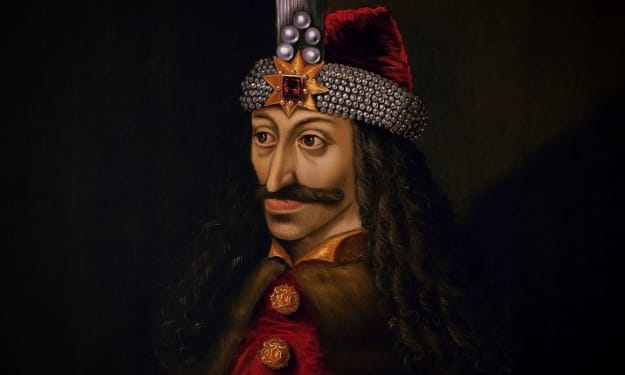
Vlad Țepeș: Sovereignty Written in Blood History remembers kings by their victories, saints by their sacrifices, and tyrants by their cruelties. Vlad Țepeș is remembered by all three and understood by none. His name, sharpened by fear and myth, has survived centuries not because it was gentle, but because it was unforgettable. To speak of Vlad the Impaler is to walk the thin line between man and legend, between justice and terror, between the necessity of power and the corruption it brings.
By Pure childa day ago in History
Ludacris and Nelly draw backlash over bookings at MAGA-coded music festival
Ludacris and Nelly headlining a mostly right-wing event is good for them. It’s also great for the genre of hip hop. The two rap veterans have showcased their talents on other stages. Why can’t they perform for mostly MAGA folks and grab that bag?
By Skyler Saunders3 days ago in Beat


Comments
There are no comments for this story
Be the first to respond and start the conversation.