


Nelson Mandela’s release from prison on February 11, 1990, marked a pivotal moment not only in South Africa's history but also in the global fight against oppression and apartheid. For 27 years, Mandela was a political prisoner under a brutal regime that sought to maintain white minority rule over the majority black population of South Africa. His release signaled the beginning of the end for apartheid. It was a triumph of hope, resilience, and perseverance against overwhelming odds.

Mandela was born on July 18, 1918, in the small village of Mvezo in the Eastern Cape. He belonged to the Thembu royal family and received an education that would lay the groundwork for his political activism. In his early adulthood, Nelson Mandela became involved with the African National Congress (ANC), an organization that would play a vital role in the struggle against apartheid. After becoming increasingly disillusioned with the government's refusal to negotiate, Mandela co-founded the ANC’s armed wing, Umkhonto we Sizwe, in 1961, which marked a significant turn in the resistance movement against apartheid.

In 1962, Mandela was arrested and subsequently sentenced to life in prison for his role in sabotage against the apartheid government. He was held in harsh conditions on Robben Island, a facility notorious for its brutal treatment of political prisoners. It was in prison that Mandela’s resolve hardened. He became a symbol of resistance, not only for South Africans but for oppressed peoples worldwide. His imprisonment drew international condemnation of the apartheid regime, and over the years, global campaigns for his release garnered significant support, illuminating the brutal realities of apartheid and the resilience of those who resisted.
The late 1980s were a time of profound change in South Africa, with growing domestic and international pressure mounting against the apartheid government. The global anti-apartheid movement gained significant momentum, as many countries began to impose sanctions and divest from South Africa. Inside the country, protest and resistance continued to escalate. The apartheid regime, facing increasing isolation and potential uprising, began to rethink its strategies. By the end of the 1980s, it became clear that negotiations were necessary to achieve political stability.
Mandela's release was carefully choreographed. The South African government, led by President F.W. de Klerk, was aware of the monumental implications of letting Mandela go. They recognized that Mandela was no longer just a prisoner but a leader who represented the hopes of millions. The moment he stepped out of Johannesburg's Victor Verster Prison, Mandela was met with explosive cheers from jubilant supporters. This was not just a man being freed but the personification of a nation's yearning for freedom and democracy.
One of the defining images of Mandela's release was his raised fist, a symbol of resistance and solidarity. It encapsulated the spirit of hope and determination. Mandela’s charisma and unwavering commitment to reconciliation became evident even in the midst of his own personal struggle. Rather than calling for retribution against those who had oppressed him and his people, he spoke of healing and unity. Mandela emphasized the importance of moving forward together rather than dwelling on past grievances.
The aftermath of Mandela's release set the stage for monumental change. Mandela engaged in discussions with De Klerk and other leaders, marking the beginning of negotiations that would culminate in the dismantling of apartheid. The very nature of this dialogue was groundbreaking; it was an example of how adversaries could come together in search of common ground. Mandela’s approach was not just about achieving freedom for himself or the ANC; it was about creating a South Africa that could thrive on inclusivity and equality.
In 1994, South Africa held its first democratic elections, which resulted in Nelson Mandela becoming the nation’s first black president. His presidency was characterized by efforts to reconcile the divided nation. The establishment of the Truth and Reconciliation Commission was a pivotal moment in healing the wounds of apartheid. This body allowed victims to share their experiences and perpetrators to come forward, contributing to a collective understanding of the past.
Beyond South Africa’s borders, Mandela’s release and subsequent leadership inspired countless movements advocating for justice, equality, and human rights. His journey from prisoner to president was not merely a personal victory but a testament to the enduring power of resilience and the belief that justice would ultimately prevail.

In the decades following his presidency, Mandela continued to champion various humanitarian causes, advocating for peace and reconciliation globally. His legacy as a tireless advocate for justice, equality, and freedom remains an enduring influence.
Nelson Mandela's release from prison symbolized hope not only for South Africans but for oppressed peoples around the world. His journey reflects the indomitable human spirit and serves as a lasting reminder of the power of perseverance in the face of adversity. As we reflect on his life and legacy, we are reminded that the struggle for justice and freedom is ongoing, urging us to continue Mandela’s work toward a more just and equitable world.
About the Creator
The Tidewater Creole People
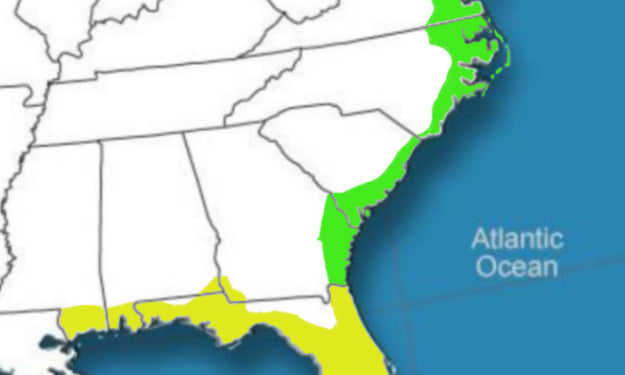
The Tidewater Creole people are descendants of early Black communities of the Tidewater Region from the 1620s and onwards into the future in coastal Virginia, the Carolina Coast, coastal Georgia, coastal Maryland and Delaware, and the Southern New Jersey Shore.
By Gracebelle White7 days ago in History



Comments
There are no comments for this story
Be the first to respond and start the conversation.