

Natural resources are materials or substances that occur naturally in the environment and are essential for human survival and development. They can be classified into several categories based on their origin and characteristics. In this response, I will provide an in-depth explanation of the different types of natural resources and their importance.
1. Renewable Resources:
Renewable resources are those that can be replenished or replaced over time through natural processes. They include:
a) Solar Energy: Solar energy is derived from the sun, which is an abundant source of light and heat. This energy can be harnessed through the use of solar panels, which convert sunlight into electricity. Solar energy is clean, sustainable, and can be used for various purposes, such as powering homes, businesses, and even entire cities.
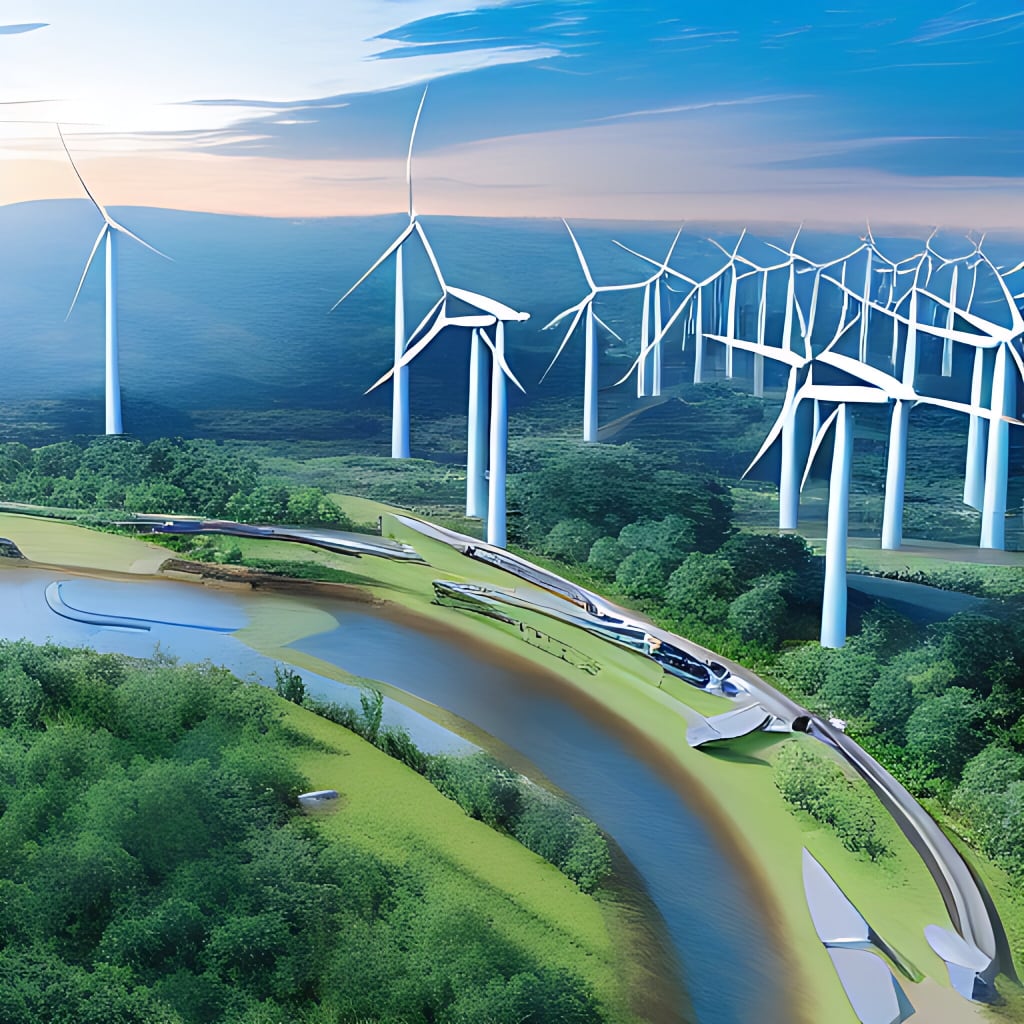
b) Wind Energy: Wind energy is generated by harnessing the kinetic energy of the wind through wind turbines. Wind farms are set up in areas with strong and consistent winds, typically near coastlines or on open plains. The spinning of the turbine blades converts the wind's energy into electricity. Wind energy is a clean and renewable source of power, helping to reduce greenhouse gas emissions and combat climate change.
c) Hydropower: Hydropower is generated by harnessing the energy of flowing or falling water. Dams and turbines are used to convert the potential energy of water into electricity. Hydropower is reliable, cost-effective, and does not emit greenhouse gases. It is commonly used for generating electricity, particularly in regions with abundant water resources.
d) Geothermal Energy: Geothermal energy is derived from the heat generated by the Earth's core. This heat can be harnessed through geothermal power plants, which use steam or hot water from underground reservoirs to generate electricity. Geothermal energy is a sustainable and reliable source of power, available 24/7, and emits minimal greenhouse gases.
e) Biomass: Biomass refers to organic matter derived from plants and animals. It includes wood, crop residues, and organic waste. Biomass can be converted into bioenergy through various processes such as combustion, fermentation, or gasification. Bioenergy can be used for heating, cooking, electricity generation, and even as a transportation fuel. Biomass is a versatile and renewable resource that can help reduce reliance on fossil fuels.
2. Non-renewable Resources:
Non-renewable resources are finite and cannot be replenished within a human timescale. They include:
a) Fossil Fuels: Fossil fuels, such as coal, oil, and natural gas, are formed from the remains of ancient plants and animals that were buried and subjected to high pressures and temperatures over millions of years. They are currently the primary source of global energy, powering industries, transportation, and electricity generation. However, the extraction and combustion of fossil fuels release greenhouse gases and contribute to air pollution and climate change.
b) Minerals: Minerals are naturally occurring inorganic substances with economic value. They are essential for various industries, including construction, manufacturing, and technology. Minerals can be categorized into two types:
- Metallic Minerals: Metallic minerals include iron, copper, gold, silver, and aluminum, among others. These minerals are used in the production of metals, which are crucial for infrastructure, machinery, and electronics.
- Non-metallic Minerals: Non-metallic minerals encompass a wide range of materials, including limestone, gypsum, salt, phosphates, and silica. They are used in construction materials, fertilizers, chemicals, glass, and ceramics, among other applications.
c) Nuclear Energy: Uranium, a non-renewable resource, is used as fuel in nuclear power plants to generate electricity. Nuclear energy is produced through nuclear fission, where the nucleus of
Natural resources are materials or substances that occur naturally in the environment and are essential for human survival and development. They can be classified into several categories based on their origin and characteristics. In this response, I will provide an overview of the different types of natural resources and their importance.
1. Renewable Resources:
Renewable resources are those that can be replenished or replaced over time through natural processes. They include:
a) Solar Energy: The sun is an abundant source of energy that can be converted into electricity or heat. Solar panels and solar thermal systems harness this energy for various purposes, such as powering homes and heating water.
b) Wind Energy: The kinetic energy of wind can be converted into electricity through wind turbines. Wind farms are set up in areas with strong and consistent winds to generate clean and renewable energy.
c) Hydropower: This resource utilizes the energy produced by flowing water, such as rivers and waterfalls. Dams and turbines are used to convert the potential energy of water into electricity.
d) Geothermal Energy: Geothermal resources tap into the heat generated by the Earth's core. This energy can be used for heating buildings, generating electricity, and even for direct use in spas and greenhouses.
e) Biomass: Biomass refers to organic matter derived from plants and animals that can be converted into energy. Examples include wood, crop residues, and biogas from organic waste.
2. Non-renewable Resources:
Non-renewable resources are finite and cannot be replenished within a human timescale. They include:
a) Fossil Fuels: These resources, including coal, oil, and natural gas, are formed from the remains of ancient plants and animals. They are currently the primary source of global energy, but their extraction and consumption contribute to environmental pollution and climate change.
b) Minerals: Minerals are naturally occurring inorganic substances that have economic value. They include metals (gold, silver, copper) and non-metals (salt, gypsum, limestone). Minerals are essential for various industries, including construction, manufacturing, and technology.
c) Nuclear Energy: Uranium, a non-renewable resource, is used as fuel in nuclear power plants to generate electricity. Nuclear energy is considered controversial due to its associated risks and waste disposal challenges.
3. Air and Water:
While not traditionally categorized as natural resources, air and water are critical for all forms of life and deserve mention.
a) Air: The Earth's atmosphere provides oxygen for humans and animals to breathe. It also acts as a protective shield, regulating temperature and blocking harmful solar radiation. Air pollution poses significant challenges to human health and the environment.
b) Water: Water is essential for various sectors, including agriculture, industry, and domestic use. It is a finite resource that needs to be managed sustainably. Freshwater resources, such as lakes, rivers, and underground aquifers, are crucial for supporting ecosystems and human activities.
Proper management and conservation of natural resources are vital to ensure their sustainable use for future generations. Additionally, advancements in technology and research are focused on finding alternative sources of energy and materials to reduce our dependence on finite resources and minimize environmental impacts.
In conclusion, natural resources encompass a wide range of materials and energy sources that are crucial for human well-being and economic development. From renewable resources like solar and wind energy to non-renewable resources such as fossil fuels and minerals, their significance cannot be overstated. It is our collective responsibility to protect and manage these resources wisely to ensure a sustainable future for ourselves and generations to come.
About the Creator
Keep reading
More stories from Prince Destiny and writers in History and other communities.
Dust
It was dust. Dust had weight there. It pressed into your mouth when you breathed, ground against your teeth, settled into the creases of your eyes. It coated our boots and crept into our weapons no matter how carefully we cleaned them. When the wind picked up, it hissed across the ground like something alive. Long before I heard a shot fired, I understood that the dust would get inside me and never really leave.
By Gaofeng Wang8 days ago in History
A Crisis of Power, Politics, and the People
The relationship between Venezuela and the United States remains one of the most complicated political dynamics in the Western Hemisphere. Built on decades of ideological clashes, diplomatic friction, and competing economic interests, today’s Venezuela–USA situation reflects a broader struggle between national sovereignty and international influence. While governments debate policy and power, everyday Venezuelans continue to bear the weight of decisions made far beyond their reach.
By Muhammad Islam khan swati7 days ago in History
Ludacris and Nelly draw backlash over bookings at MAGA-coded music festival
Ludacris and Nelly headlining a mostly right-wing event is good for them. It’s also great for the genre of hip hop. The two rap veterans have showcased their talents on other stages. Why can’t they perform for mostly MAGA folks and grab that bag?
By Skyler Saunders4 days ago in Beat


Comments
There are no comments for this story
Be the first to respond and start the conversation.