
Megalodon: The Enigmatic Giant of the Ancient Seas
Unraveling the Mystery of Its Extinction and Ecological Impact

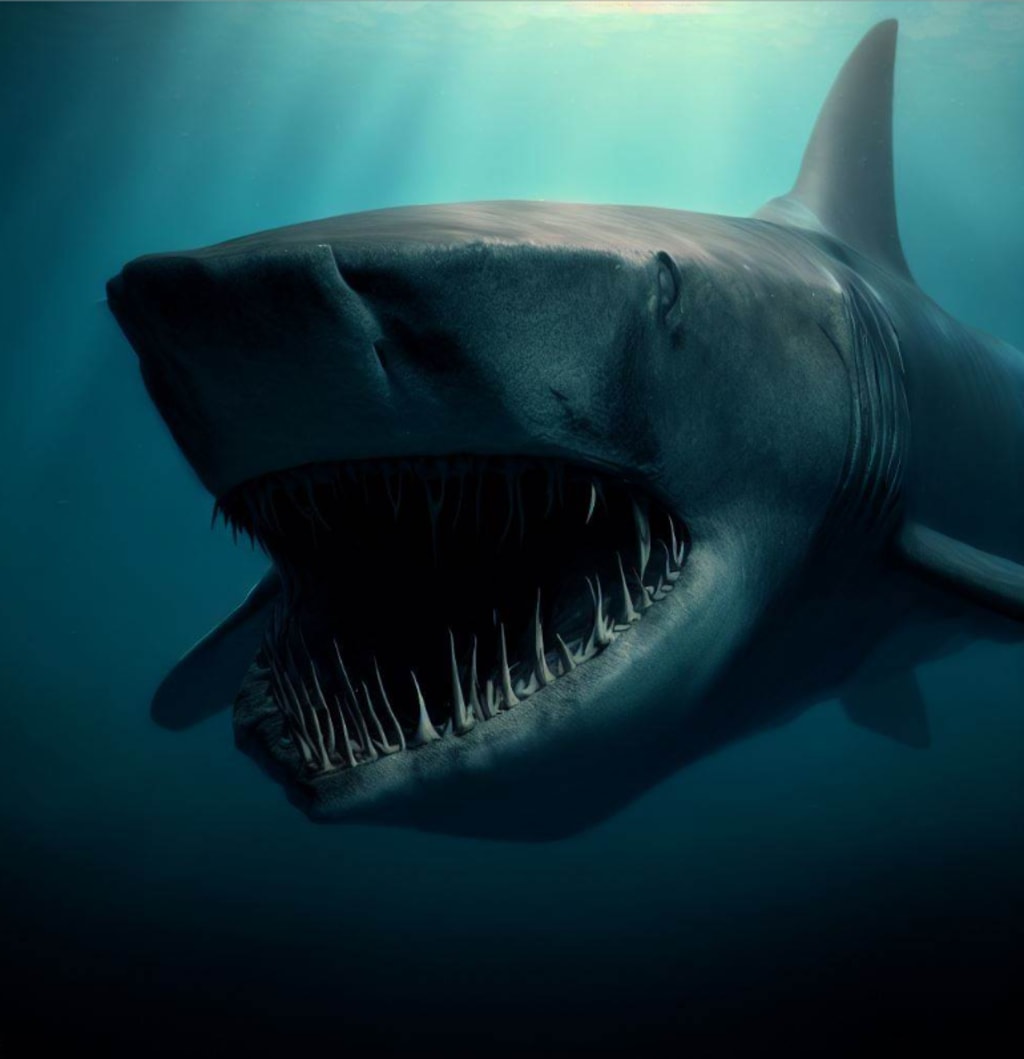
In the year 1667, a Danish scientist made a groundbreaking discovery that would unveil the mysterious origins of certain enigmatic stones, once believed to possess medicinal powers or have fallen from the sky during lunar eclipses. These stones, as it turned out, were not remnants of celestial events or magical artifacts but fossilized teeth belonging to the colossal prehistoric predator known as megalodon—the most massive shark to have ever roamed the ancient seas. Delving into the world of megalodon not only allows us to grasp life during its reign but also offers valuable insights into the distant past and its ecological impact.
Megalodon, a creature whose existence is mostly inferred from scattered clues, presents a fascinating puzzle due to its cartilaginous skeleton. Fossilized remains of megalodons are mainly comprised of isolated vertebrae and an abundance of enamel-protected teeth, which they could shed and replace throughout their lives. Interestingly, certain fossil sites have yielded immense numbers of small megalodon teeth, leading experts to hypothesize that these areas served as nurturing grounds or nurseries, fostering the growth of countless young megalodons before they matured into unmatched marine hunters. With estimated lengths of up to 20 meters—three times longer than the majestic great white sharks—megalodons stood as dominant predators, roaming the oceans approximately 20 million years ago. Their habitats spanned diverse regions, and there is evidence suggesting they may have undertaken transoceanic migrations.
In the era of megalodon, the world witnessed a warmer climate, fostering an environment where marine life thrived. Lush kelp forests provided a sanctuary for otters and dugongs, while the baleen whales displayed impressive diversity. As apex predators, megalodons had access to a plethora of high-energy, edible prey, and isotopic analysis of their teeth confirmed their status as top predators, preying on large species, and possibly even other megalodons. An intriguing discovery came in the form of a well-preserved spinal column from a 46-year-old megalodon, unveiling a stomach capacity of nearly 10,000 liters—allowing them to consume whole orcas with ease. Further evidence from fossilized bite marks on ancient cetacean bones validated their prowess as formidable hunters.
Despite their power and ecological significance, megalodons eventually faced extinction around 3.5 million years ago. The Earth underwent significant climate changes during that time, resulting in cooling temperatures, increased glacier formations, and lower sea levels. These environmental shifts led to the loss of numerous coastal habitats and resource-rich marine sites—critical components of megalodons' sustenance. Coupled with their high energy demands, attributed to their size and thermoregulation capabilities that allowed them to navigate colder waters and swiftly attack prey, they became vulnerable to competition with other predators, including the emerging great white sharks. The combination of environmental changes and heightened competition likely contributed to their eventual downfall.
The extinction of megalodons had far-reaching consequences due to their role as highly mobile predators. Their long-distance travels facilitated nutrient transport between different ecosystems, and their absence released immense predatory pressure on other marine animals. Intriguingly, this shift in the ecological balance may have contributed to the subsequent dramatic increase in size among certain marine mammals, which were no longer constrained by the constant threat posed by megalodons.
In contemporary times, the recognition of the profound impact of apex predators on ecosystems has driven conservationists to actively work towards safeguarding modern-day sharks from facing a similar fate, this time due to human activities. As we marvel at the colossal legacy of megalodon—an embodiment of ecological interdependence and millions of years of exploration—it serves as a poignant reminder of the delicate balance that sustains life on our planet. The tale of megalodon continues to intrigue and inspire, urging us to understand and protect the intricate web of life that surrounds us.
About the Creator
Joey A.
I am a curious investigator of mysteries and an avid follower of news and facts. Delving into the depths of physiology to uncover the wonders of life's intricacies.
The Rise and Fall of Nicolae Ceaușescu
Nicolae Ceaușescu’s rise to power was initially marked by promise, even optimism. Born in 1918 into a poor peasant family, he entered politics early, shaped by the ideological rigidity of interwar and wartime communism. When he became General Secretary of the Romanian Communist Party in 1965, following the death of Gheorghe Gheorghiu-Dej, many Romanians saw in him a younger leader, one who might soften the harsh Stalinist legacy that had defined the previous decades. For a society weary of repression and deprivation, Ceaușescu appeared to embody the possibility of cautious change.
By Pure child3 days ago in History




Comments
There are no comments for this story
Be the first to respond and start the conversation.