

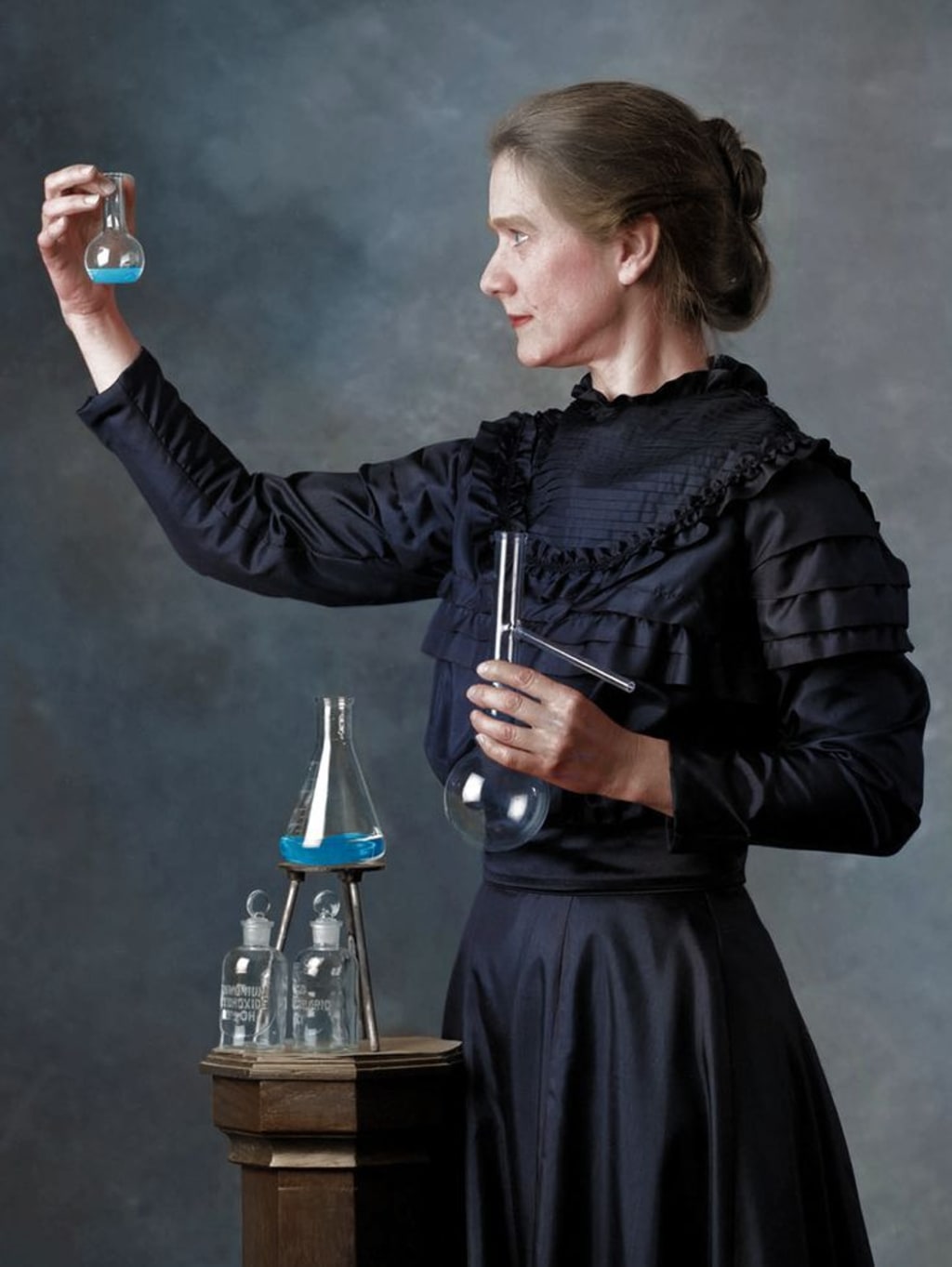
Marie Curie: A Pioneer in Science
Marie Curie, born Maria Skłodowska on November 7, 1867, in Warsaw, Poland, is one of the most renowned scientists in history. Her groundbreaking work in the field of radioactivity not only earned her two Nobel Prizes but also paved the way for advancements in science and medicine. This article explores her life and achievements, divided into key phases that highlight her journey.
1. Early Life and Education
1.1 Childhood in Occupied Poland; Marie Curie was born into a family of educators in a Poland under Russian occupation. Her parents, Władysław and Bronisława Skłodowska, were dedicated to education despite the restrictions imposed by the occupying powers. As a child, Marie displayed an exceptional aptitude for learning. However, the political climate in Poland limited her opportunities for advanced education, particularly as a woman.
1.2 Pursuit of Knowledge; Determined to learn, Marie participated in Warsaw’s underground “Flying University,” a secret institution that provided education outside of Russian control. She excelled in physics and mathematics, subjects that would define her career. To pursue her academic ambitions further, Marie moved to Paris in 1891 and enrolled at the Sorbonne, where she completed degrees in physics and mathematics.
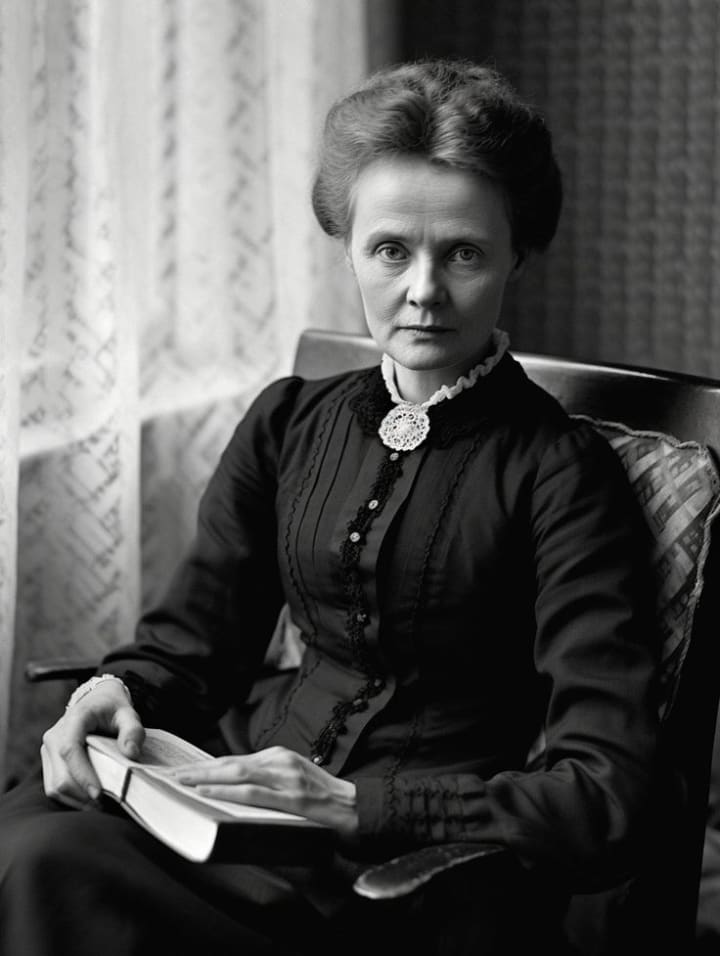
2. Partnership with Pierre Curie
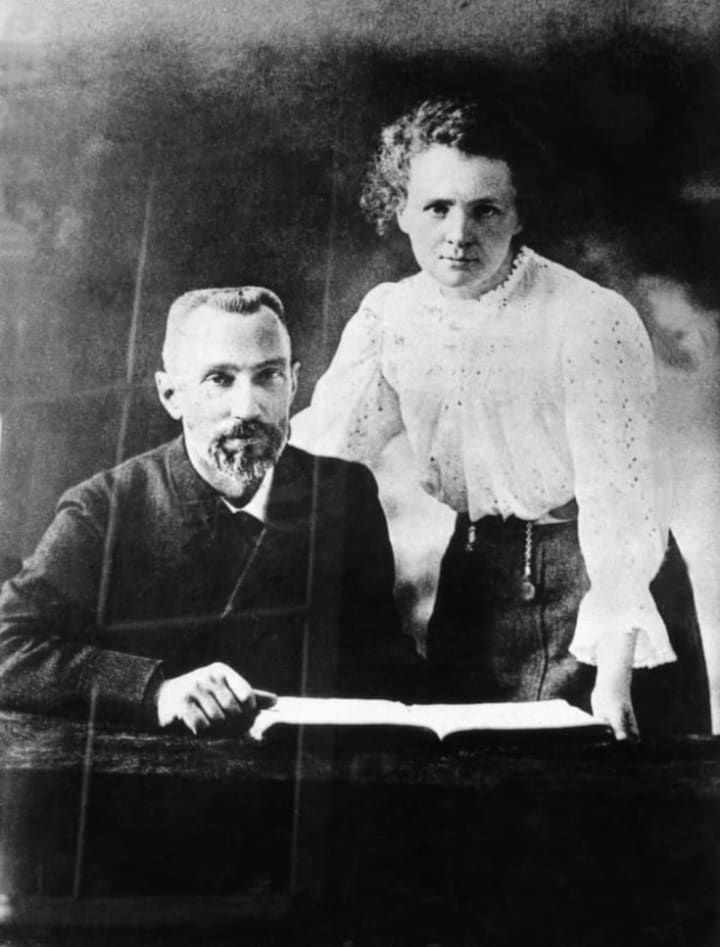
2.1 Meeting Pierre Curie; In Paris, Marie met Pierre Curie, a physicist whose passion for science matched her own. The two married in 1895, forming a partnership that would transform the scientific world. Their relationship was not only romantic but also intellectually collaborative, characterized by mutual respect and a shared dedication to discovery.
2.2 Collaborative Research; Together, the Curies began studying radioactive substances, inspired by the discovery of X-rays by Wilhelm Roentgen and radioactivity by Henri Becquerel. Their meticulous experiments led to the discovery of two new elements: polonium, named after Marie’s homeland, and radium. These discoveries laid the foundation for the new field of radioactivity.
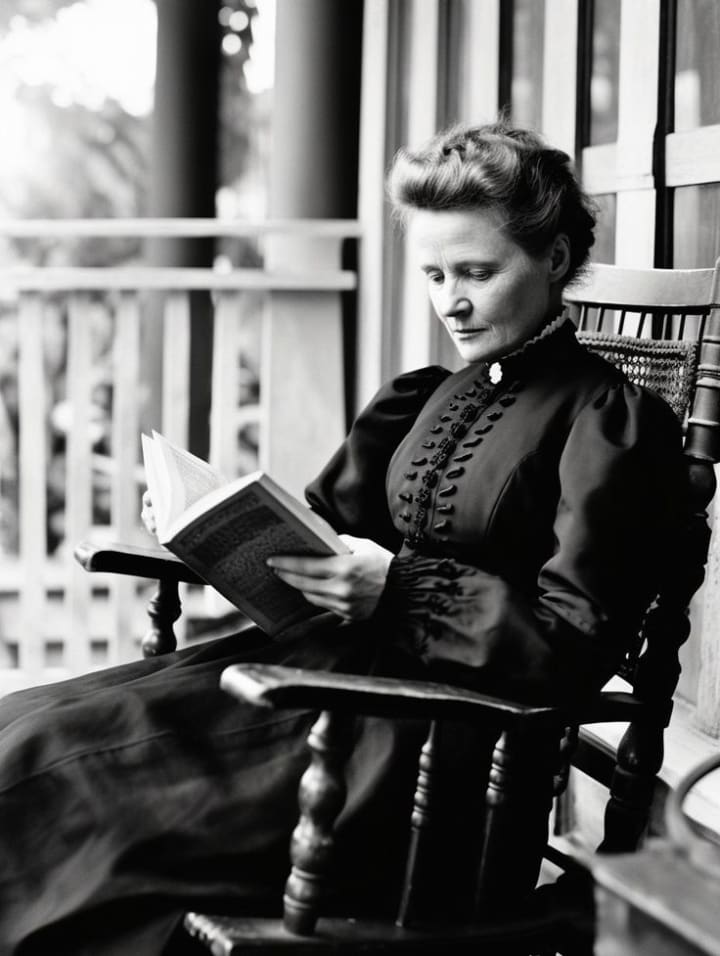
3. Scientific Breakthroughs
3.1 The Discovery of Radioactivity; Marie coined the term “radioactivity” to describe the phenomena she observed. She meticulously measured the radiation emitted by uranium compounds, demonstrating that radiation was a property of the atom itself rather than a chemical reaction. This work challenged existing scientific theories and revolutionized the understanding of atomic structure.
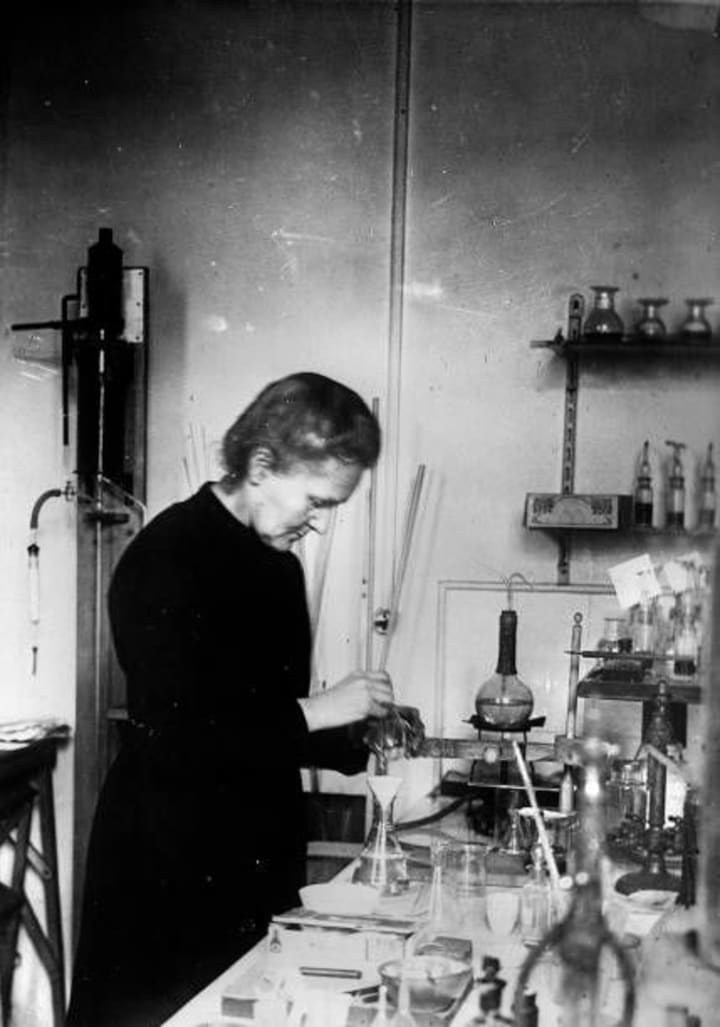
3.2 Isolation of Radium; In 1902, after years of laborious work, Marie and Pierre successfully isolated radium chloride, a significant achievement given the rudimentary tools available at the time. The Curies’ discovery of radium’s intense radiation had profound implications for physics, chemistry, and medicine.
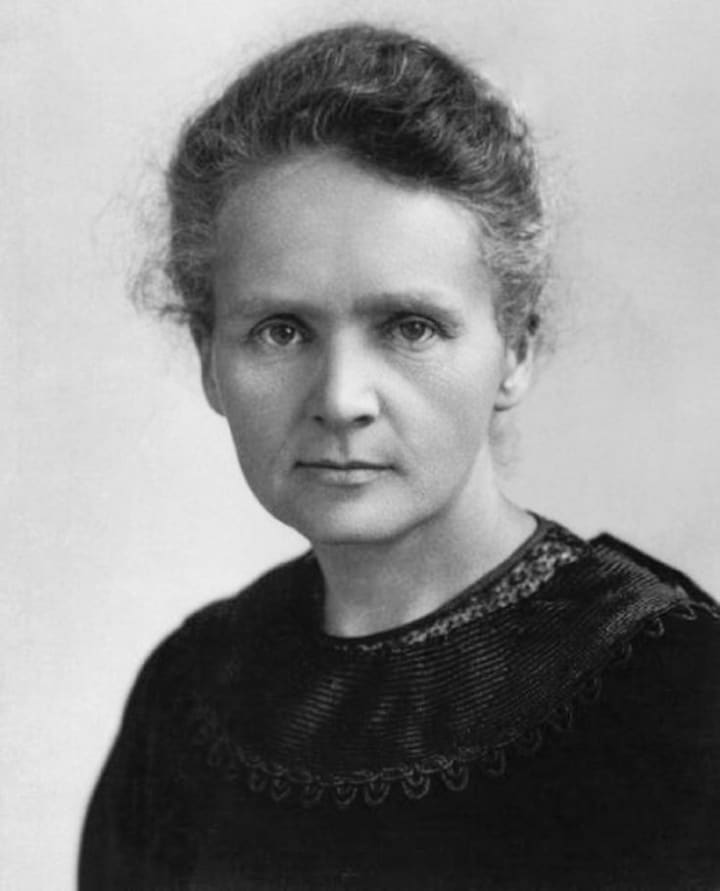
4. Recognition and Challenges
4.1 Nobel Prizes; In 1903, Marie and Pierre Curie, along with Henri Becquerel, were awarded the Nobel Prize in Physics for their contributions to the understanding of radioactivity. This made Marie the first woman to receive a Nobel Prize. In 1911, she won a second Nobel Prize, this time in Chemistry, for her work in isolating radium and polonium. She remains the only person to have won Nobel Prizes in two different scientific fields.
4.2 Facing Discrimination; Despite her accolades, Marie faced significant challenges as a woman in a male-dominated scientific community. She was often overlooked for academic positions and faced skepticism about her abilities. Her determination and resilience helped her overcome these barriers, setting an example for future generations of women in science.
5. World War I and Humanitarian Contributions
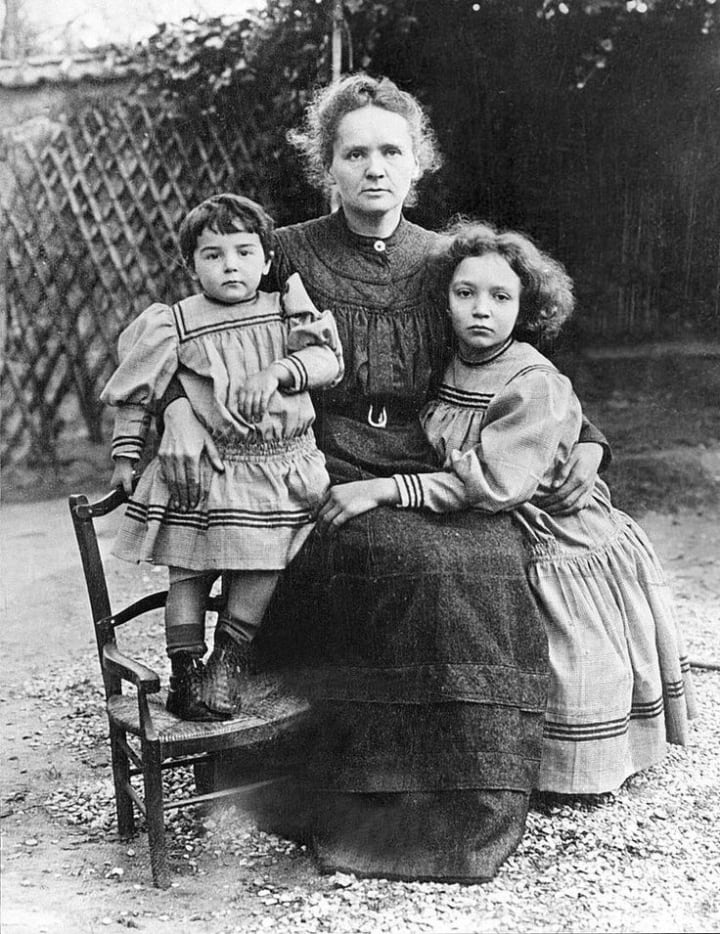
5.1 The Curie Mobile; During World War I, Marie Curie recognized the potential of X-ray technology to aid wounded soldiers. She developed mobile X-ray units, known as “Curie Mobiles,” which could be taken to the battlefield. With her daughter Irène, she trained medical staff and operated the machines herself, directly saving countless lives.
5.2 Advocacy for Science and Medicine; Marie also championed the use of radium in cancer treatment. Although the dangers of radiation were not fully understood at the time, her work laid the groundwork for radiotherapy, a life-saving treatment still used today.
6. Legacy and Impact
6.1 Death and Tribute; Marie Curie passed away on July 4, 1934, from aplastic anemia, a condition caused by prolonged exposure to radiation. Despite the risks, she never wavered in her commitment to scientific progress. Her dedication inspired a global movement to recognize and support women in science.
6.2 Institutions and Memorials; Marie Curie’s legacy endures through institutions such as the Curie Institute in Paris, which continues her work in cancer research. Numerous awards, scholarships, and scientific facilities bear her name, honoring her unparalleled contributions.
7. The Modern Relevance of Her Work
7.1 Advancements in Medicine; Marie’s discoveries remain vital to modern medicine. Radiotherapy, developed from her research on radium, has become a cornerstone of cancer treatment. Her work also influenced diagnostic imaging technologies such as X-rays and CT scans.
7.2 Inspiring Future Scientists; As a trailblazer for women in science, Marie Curie’s story inspires countless young scientists worldwide. Her achievements demonstrate the importance of perseverance, curiosity, and the pursuit of knowledge, regardless of societal barriers.
8. Conclusion
Marie Curie’s life is a testament to the transformative power of science and human resilience. Her pioneering discoveries not only advanced our understanding of the natural world but also improved countless lives through practical applications. By overcoming immense personal and societal challenges, Marie Curie set an example for generations to come, proving that dedication and intellect can break through any barrier.
About the Creator
Mahalakshmi
"My name is Mahalakshmi, and I'm passionate about storytelling in all its forms. From fiction to real-life tales, I love writing all types of stories that inspire, entertain, and spark imagination. Join me on this creative journey!"
Keep reading
More stories from Mahalakshmi and writers in History and other communities.
Roger Bacon: The Visionary Philosopher and Early Advocate of the Scientific Method
Roger Bacon: The Visionary Philosopher and Early Advocate of the Scientific Method Roger Bacon (1219/20–1292) was a medieval English philosopher, scientist, and theologian whose work profoundly influenced the development of modern science. Often regarded as one of the forerunners of the scientific method, Bacon emphasized observation, experimentation, and the practical application of knowledge in a time when scholasticism and reliance on authority were the dominant intellectual paradigms. This essay delves into Bacon’s life, his major contributions, and his enduring legacy.
By Mahalakshmiabout a year ago in History
How Can the World Prevent Another Global War?
How Can the World Prevent Another Global War? In times of rising global tensions, many people ask an important question: How can the world prevent another major war? History has shown that global conflicts cause enormous human suffering, economic destruction, and long-lasting political instability. Preventing a large-scale war—especially one that could involve nuclear weapons—is one of the most important challenges facing world leaders today.
By Wings of Time 3 days ago in History
📢 Raise Your Voice Thread: 03/05/2026
Our “Raise Your Voice Threads” are hosted most alternating Thursdays at 12PM ET to offer creators more avenues to uncover exceptional stories on Vocal. As we are continuously searching for fresh creators and inspiring stories, this thread provides an opportunity to exchange and discuss the stories that have moved and motivated us on Vocal.
By Raise Your Voice by Vocal7 days ago in Resources




Comments
There are no comments for this story
Be the first to respond and start the conversation.