
Living with Earthquakes: How Japan Turned Disaster into Daily Discipline
How Japan turned deadly earthquakes into a culture of preparedness, technology, and everyday resilience for future safety.


Living with Earthquakes: How Japan Turned Disaster into Daily Discipline
The Ground Shakes — and No One Screams
In many parts of the world, an earthquake means chaos. Alarms blare, people run in fear, and confusion overtakes everything. But in Japan, something extraordinary happens when the earth begins to move — calmness.
Children duck under desks with practiced grace. Bullet trains halt instantly, as if someone flipped a switch. Seniors in their homes stay seated, unfazed, sipping tea while the floor gently rumbles.
This isn’t apathy. It’s preparedness. In Japan, earthquakes aren’t surprises. They’re part of life — and so is training for them.

Why Japan Keeps Shaking
Japan lies along the Pacific Ring of Fire, a fiery arc of seismic activity where tectonic plates clash and grind. The country sits at the meeting point of four major plates — a geological recipe for frequent earthquakes.
Over 1,500 quakes are felt every year. Some are barely noticeable, others devastating. The 2011 Tohoku earthquake and tsunami, for example, left deep scars across the nation.
Rather than fleeing from its seismic fate, Japan confronted it head-on — and turned adversity into advancement.
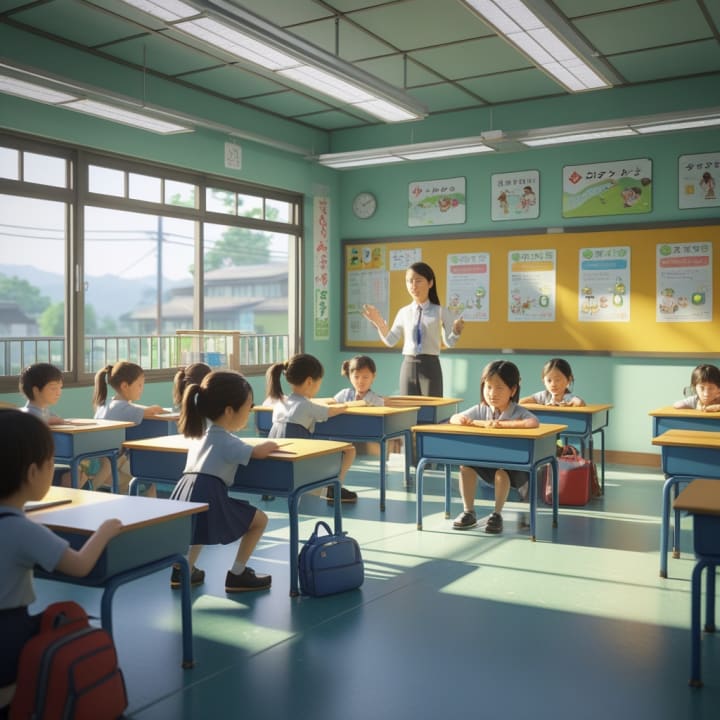
Drills Before Discipline
From their very first day of school, Japanese children learn that safety is not a reaction — it’s a habit. Earthquake drills are woven into everyday education. Every month, students practice taking cover, shielding their heads, and evacuating calmly.
Schools are equipped with seismic alarms, reinforced ceilings, and automatic shut-off systems. Teachers treat emergency preparedness like a subject — not an afterthought.
One Tokyo elementary student put it simply:
“When our teacher shouted ‘Earthquake!’ we didn’t scream. We just moved. We knew what to do.”
That confidence is taught — and it starts early.
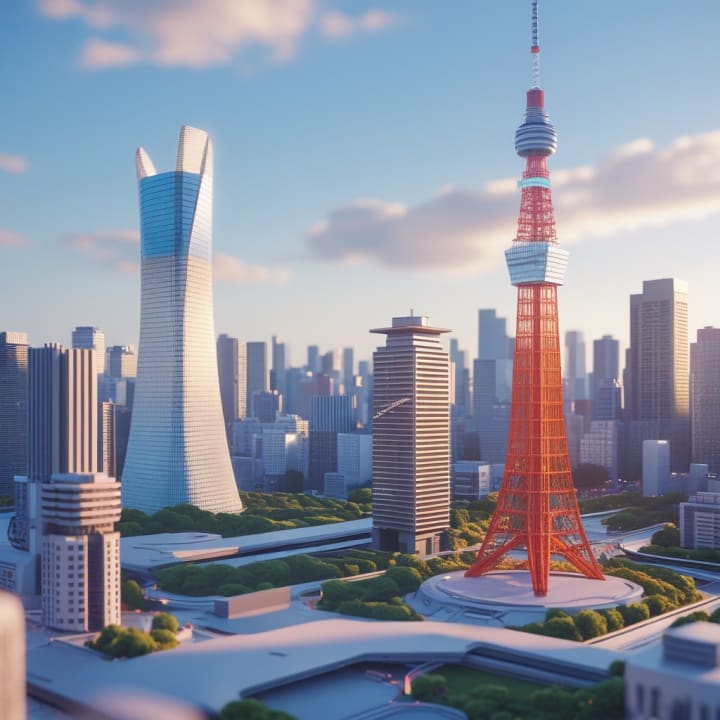
Buildings That Sway, Not Shatter
Rather than resist nature, Japan’s architects design with it. High-rises like the Tokyo Sky tree are engineered to bend without breaking. Using seismic isolation — including base dampers, shock absorbers, and counterbalancing weights — buildings are made to ride the wave of motion instead of collapse beneath it.
Even centuries-old wooden temples have flexible frames and elevated foundations that allow them to survive tremors. Today’s engineers draw from both tradition and technology to build smarter, safer structures.
Every Japanese city is a laboratory of earthquake-resilient design.

The Gift of Seconds
When an earthquake strikes, milliseconds matter. Japan’s Early Earthquake Warning System uses a vast network of sensors to detect tremors the moment they begin — and broadcasts alerts through phones, TVs, subways, and even public address systems.
These warnings often arrive seconds before the strong shaking hits. That’s just enough time to take cover, stop trains, shut off gas lines, or pause elevators.
In 2011, these precious seconds helped save countless lives.
Time can’t stop a quake. But in Japan, time is technology — and technology is survival.

Go-Bags and Group Drills
In Japan, earthquake readiness doesn’t stop at schools or skyscrapers. It begins at home. Most households keep a "go-bag" near the door — packed with essentials: bottled water, canned food, flashlights, radios, cash, and personal medications.
Neighborhoods organize community drills. City governments distribute emergency guides. Apartment buildings host preparedness workshops. Kids pack toys and snacks to stay calm during shelter stays.
Preparedness is not private — it’s shared. Because recovery is never a solo act.
The Day the Ocean Came
March 11, 2011. A 9.0-magnitude earthquake shook northeastern Japan. Then came the tsunami. Entire towns were swept away. At the Fukushima Daiichi power plant, reactors failed. Over 20,000 lives were lost.
And yet, the tragedy taught more than it took.
Seawalls were rebuilt higher. Coastal towns redesigned evacuation routes. Nuclear safety rules were rewritten. Survivors became safety advocates — returning to schools and speaking to the next generation.
As one survivor said,
"We lost everything. But we found something, too — a duty to teach others how to survive."
Redefining Normal
What Japan shows the world is profound: living with risk doesn’t mean living in fear.
By integrating science, engineering, and cultural awareness, Japan has redefined what it means to be ready. Earthquakes still happen — often. But mass panic doesn’t. That’s not luck — that’s design.
Preparedness isn’t a plan. It’s a way of life.
Conclusion: You Can’t Control the Earth — But You Can Control the Outcome
Japan’s journey isn’t just about adapting to natural disasters. It’s about believing that knowledge and discipline can overcome unpredictability.
In a world facing rising climate threats and geological unrest, Japan offers a roadmap:
You don’t need to fear the ground beneath you — if you’re standing on the foundation of preparation.
how Japan trains for earthquakes, why Japan has so many earthquakes,
Keywords
Japan earthquake resistant buildings, what to pack in an earthquake go-bag, Japanese culture of disaster preparedness, lessons from the 2011 Japan tsunami, earthquake safety for children in Japan, how Japan embraces earthquakes with technology, Japan's response to natural disasters, Japanese community disaster drills,
About the Creator
MystiTech Hub
MystiTech Hub brings history, science, and mystery to life with engaging, well-researched content. Uncover hidden truths, explore scientific wonders, and dive into historical mysteries that shape our world.
Keep reading
More stories from MystiTech Hub and writers in History and other communities.
The Mughal Princess Who Changed the Image of the Imperial Harem
When people imagine royal harems in medieval empires, they often picture places of luxury, secrecy, and endless indulgence. The Mughal Empire is no exception. For centuries, the Mughal harem has been portrayed as a secluded world of wealth and pleasure where royal women lived hidden lives behind palace walls. However, one remarkable woman challenged this narrow view: Gulbadan Begum, a Mughal princess whose life and writings revealed a very different reality.
By Irshad Abbasi 4 days ago in History




Comments (1)
welcome