
Leonardo da Vinci: The Polymath Who Redefined Art and Science
Leonardo da Vinci: The Renaissance Man Who Changed the World
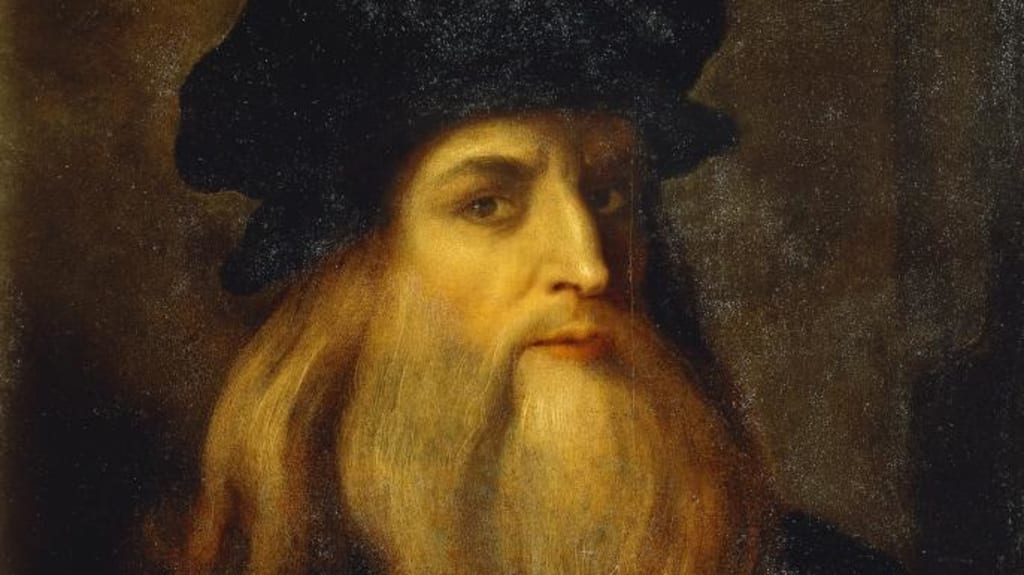
# Leonardo da Vinci: The Renaissance Man Who Changed the World
Leonardo da Vinci is a name synonymous with genius. Born in 1452 in the small town of Vinci in Italy, Leonardo’s insatiable curiosity and inventive mind made him one of the most influential figures of the Renaissance. His contributions spanned a multitude of fields, including art, science, engineering, and anatomy. This article explores the life and legacy of Leonardo da Vinci, highlighting his remarkable achievements and enduring influence.
## Early Life and Education
Leonardo was born on April 15, 1452, as the illegitimate son of a wealthy notary, Ser Piero, and a peasant woman, Caterina. Despite his illegitimacy, he received a basic education in reading, writing, and mathematics. His artistic talent was evident from a young age, and he was apprenticed to the renowned artist Andrea del Verrocchio in Florence around the age of 15.
### Apprenticeship with Verrocchio
At Verrocchio’s workshop, Leonardo honed his skills in various artistic disciplines, including painting, sculpture, and metalworking. He also gained exposure to scientific and engineering concepts. This period was crucial in shaping Leonardo’s multifaceted approach to learning and creation.
## Artistic Masterpieces
Leonardo da Vinci is perhaps best known for his contributions to art. His masterpieces, characterized by their detail, realism, and innovative techniques, have left an indelible mark on the history of art.
### The Last Supper
Painted between 1495 and 1498, "The Last Supper" is one of Leonardo’s most famous works. This mural, located in the Convent of Santa Maria delle Grazie in Milan, depicts the moment Jesus announces that one of his disciples will betray him. Leonardo’s use of perspective, composition, and emotional expression revolutionized religious art.
### Mona Lisa
The "Mona Lisa," painted between 1503 and 1506, is arguably the most famous painting in the world. Housed in the Louvre Museum in Paris, this portrait of Lisa Gherardini is celebrated for its enigmatic expression, masterful use of sfumato (a technique for blending colors and tones), and intricate details. The "Mona Lisa" exemplifies Leonardo’s ability to capture the complexity of human emotion and personality.
## Scientific and Engineering Innovations
Leonardo’s contributions extend far beyond the realm of art. His scientific inquiries and engineering designs demonstrate his visionary thinking and profound understanding of the natural world.
### Anatomical Studies
Leonardo’s fascination with the human body led him to conduct extensive anatomical studies. He dissected numerous corpses to understand the structure and function of muscles, bones, and organs. His detailed anatomical drawings, including the famous Vitruvian Man, provided unprecedented insights into human physiology and influenced medical science for centuries.
### Engineering and Invention
Leonardo’s notebooks are filled with designs for various machines and devices, many of which were centuries ahead of their time. His sketches include concepts for helicopters, tanks, submarines, and mechanical looms. While many of these inventions were never built, they showcase Leonardo’s remarkable foresight and creativity.
### Scientific Observations
Leonardo made significant contributions to fields such as optics, hydrodynamics, and geology. He studied the behavior of light and shadow, the movement of water, and the formation of fossils. His meticulous observations and recordings laid the groundwork for future scientific discoveries.
## The Renaissance Man
Leonardo da Vinci embodies the ideal of the Renaissance man—a person whose expertise spans multiple disciplines. His ability to integrate art, science, and engineering into a cohesive body of work set him apart from his contemporaries and solidified his legacy as one of history’s greatest polymaths.
### Holistic Approach to Knowledge
Leonardo’s holistic approach to knowledge allowed him to make connections between seemingly unrelated fields. He believed that understanding the natural world required both artistic sensitivity and scientific rigor. This interdisciplinary mindset enabled him to achieve breakthroughs that were not confined to any single domain.
### Influence on Future Generations
Leonardo’s influence extends far beyond his lifetime. His works have inspired countless artists, scientists, and engineers. Figures such as Michelangelo, Galileo, and Isaac Newton built upon Leonardo’s ideas, pushing the boundaries of human knowledge and creativity.
## Personal Life and Legacy
Despite his immense contributions, much about Leonardo’s personal life remains shrouded in mystery. He never married and had no known children, and his personal relationships are largely undocumented. However, his work and legacy speak volumes about his character and intellect.
### Later Years
In the final years of his life, Leonardo worked for King Francis I of France, who provided him with a comfortable residence at the Château du Clos Lucé. There, he continued to work on his projects and studies until his death on May 2, 1519.
### Enduring Legacy
Leonardo da Vinci’s legacy is one of boundless curiosity, relentless pursuit of knowledge, and extraordinary creativity. His contributions to art, science, and engineering continue to inspire and influence modern thought and innovation. As a true Renaissance man, Leonardo’s life exemplifies the power of interdisciplinary learning and the enduring impact of human ingenuity.
## Conclusion
Leonardo da Vinci’s life and work remind us of the limitless potential of the human mind. His ability to merge art and science, his visionary inventions, and his profound understanding of the natural world have left an indelible mark on history. As we continue to explore new frontiers of knowledge and creativity, Leonardo’s legacy serves as a timeless inspiration to strive for excellence and to see the world through a lens of curiosity and wonder.
About the Creator
Keep reading
More stories from Mbeha maliwa and writers in History and other communities.
Cleopatra: The Last Pharaoh and Her Enduring Legacy
# The Enigmatic Cleopatra: Queen, Diplomat, and Icon Cleopatra VII Philopator, commonly known simply as Cleopatra, is one of the most renowned figures of ancient history. Her life, marked by power, romance, and tragedy, has captivated historians, writers, and filmmakers for centuries. As the last active ruler of the Ptolemaic Kingdom of Egypt, Cleopatra's legacy is a blend of myth and reality. This article delves into the life of Cleopatra, exploring her rise to power, her political acumen, her relationships with Julius Caesar and Mark Antony, and the enduring impact of her legacy.
By Mbeha maliwa 2 years ago in History
Ashoka: The Emperor Who Turned Conquest into Compassion
History remembers many conquerors, emperors, and rulers who built vast empires through military strength and strategic brilliance. Names such as Alexander the Great, Julius Caesar, and Augustus often dominate the narrative of ancient political power. Yet among these figures stands a ruler whose legacy is unique not because of conquest alone, but because of a profound moral transformation that reshaped the very meaning of governance.
By Arjun. S. Gaikwadabout 9 hours ago in History


Comments
There are no comments for this story
Be the first to respond and start the conversation.