
Antoine Laurent Lavoisier: The Father of Modern Chemistry
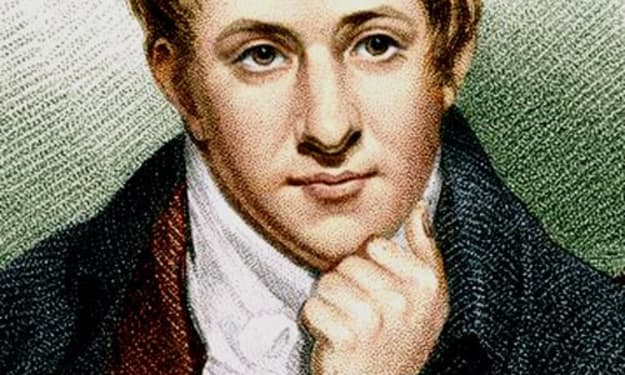
Antonie Laurent Lavoisier

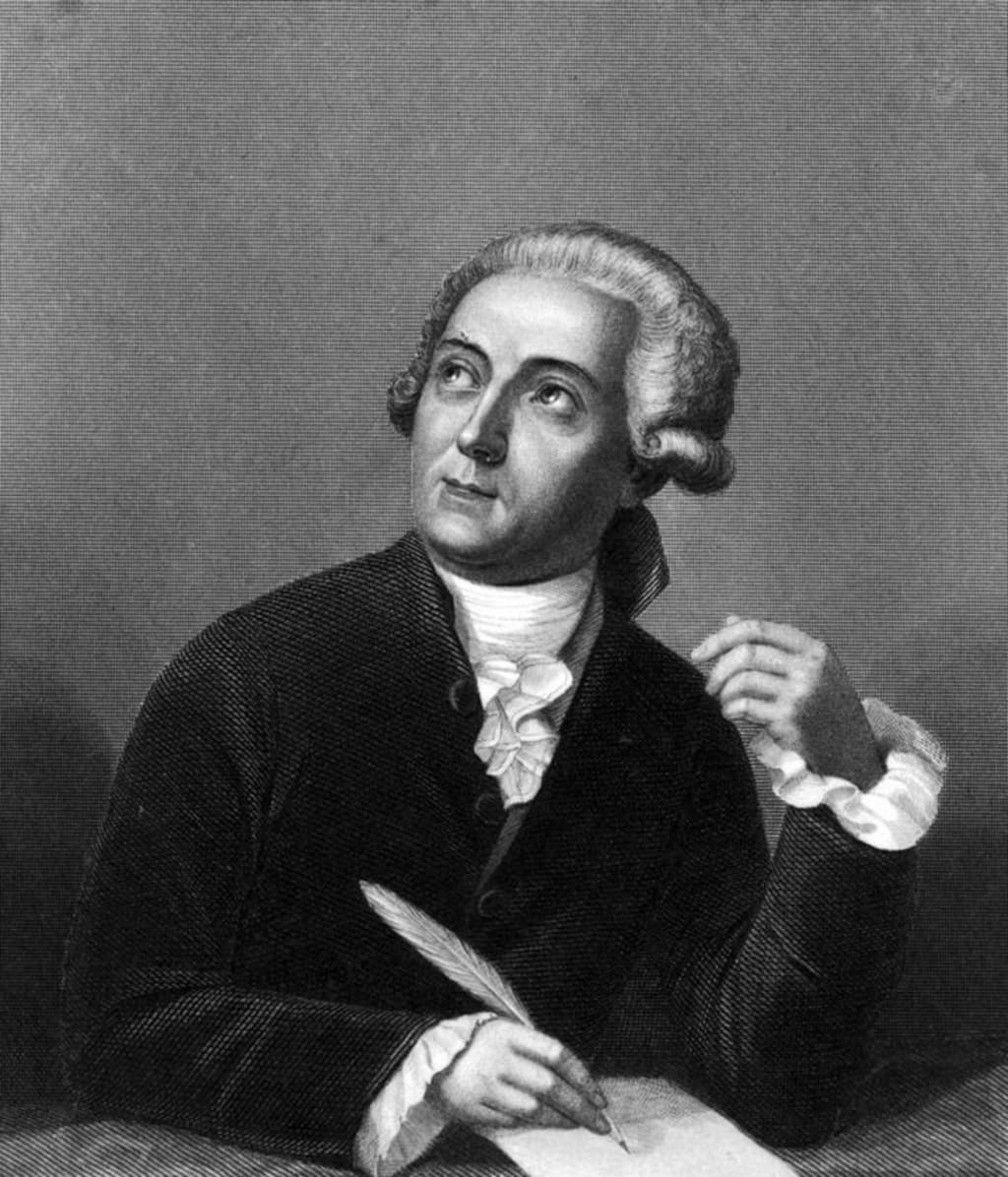
Antoine Laurent Lavoisier: The Father of Modern Chemistry
Antoine Laurent Lavoisier (1743–1794) was a pioneering scientist whose work transformed chemistry from a qualitative discipline into a quantitative one. Known as the "Father of Modern Chemistry," his research established fundamental principles still used today. This comprehensive overview of Lavoisier’s life and contributions is divided into key sections.
Early Life and Education
Antoine Lavoisier was born on August 26, 1743, in Paris, France, to a wealthy and influential family. His father, Jean-Antoine Lavoisier, was a lawyer, and his mother, Émilie Punctis, came from a prosperous family. Antoine inherited their wealth after his mother’s death when he was five, allowing him access to a privileged education.
Lavoisier attended the prestigious Collège Mazarin in Paris, excelling in sciences, mathematics, and philosophy. He developed an early fascination with natural sciences and geology. Despite his passion, he pursued a legal career to honor his father’s wishes, earning a law degree in 1764. However, his interest in science persisted, and he joined the Academy of Sciences in 1768, marking the start of his scientific career.
Contributions to Chemistry
**The Discovery of Oxygen and Combustion Theory**
One of Lavoisier’s most significant achievements was redefining the concept of combustion. Previously, the phlogiston theory dominated scientific thought, proposing that a mysterious substance, *phlogiston*, was released during burning. Lavoisier’s experiments refuted this theory.
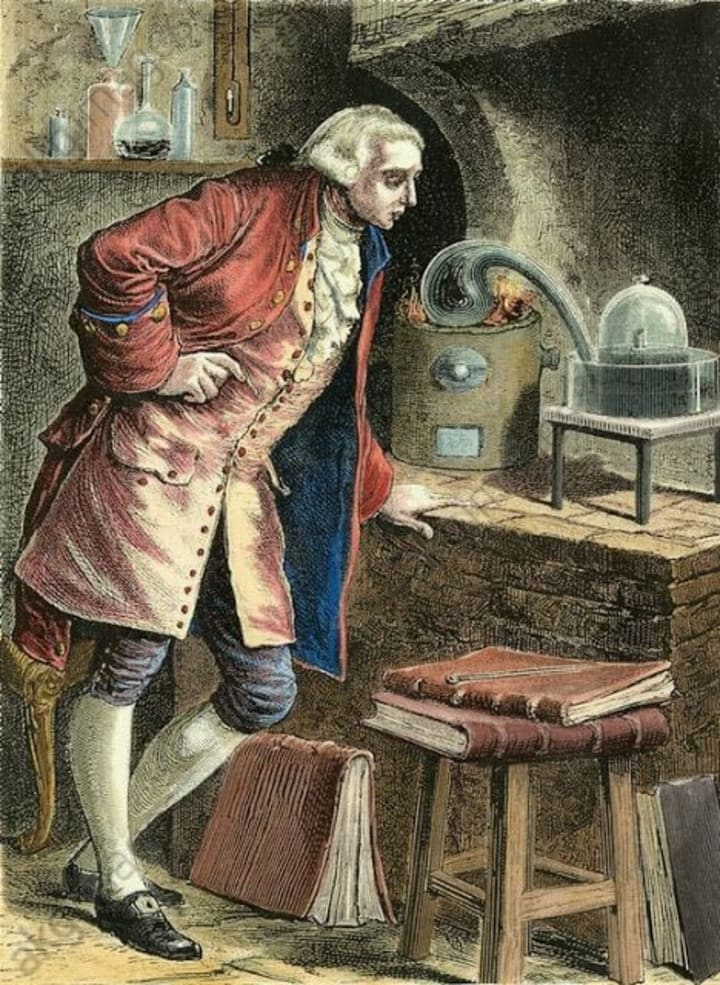
In collaboration with other scientists, including Joseph Priestley, Lavoisier identified oxygen as a key element in combustion. He demonstrated that combustion involved the chemical combination of a substance with oxygen rather than the release of phlogiston.
His experiments, such as burning phosphorus and sulfur in sealed containers, showed that the mass of the resulting products equaled the mass of the reactants. This groundbreaking discovery laid the foundation for the law of conservation of mass.
The Law of Conservation of Mass
Lavoisier’s meticulous experiments revealed that matter is neither created nor destroyed during chemical reactions. This principle, now known as the law of conservation of mass, revolutionized chemistry by introducing quantifiable methods for analyzing reactions.
For example, Lavoisier demonstrated that when metals oxidize, the increase in their weight corresponds to the weight of the oxygen they absorbed. This insight helped establish chemistry as a science grounded in measurement and reproducibility.
Nomenclature System for Chemical Elements
Recognizing the need for a standardized language in chemistry, Lavoisier collaborated with other chemists to develop a systematic nomenclature for elements and compounds.
He proposed that substances should be named based on their composition and properties, discarding archaic names like "vitriolic acid" for more descriptive terms such as "sulfuric acid." His work culminated in the publication of *Méthode de Nomenclature Chimique* (Method of Chemical Nomenclature) in 1787.
This naming system formed the basis for modern chemical nomenclature, ensuring clarity and consistency in scientific communication.
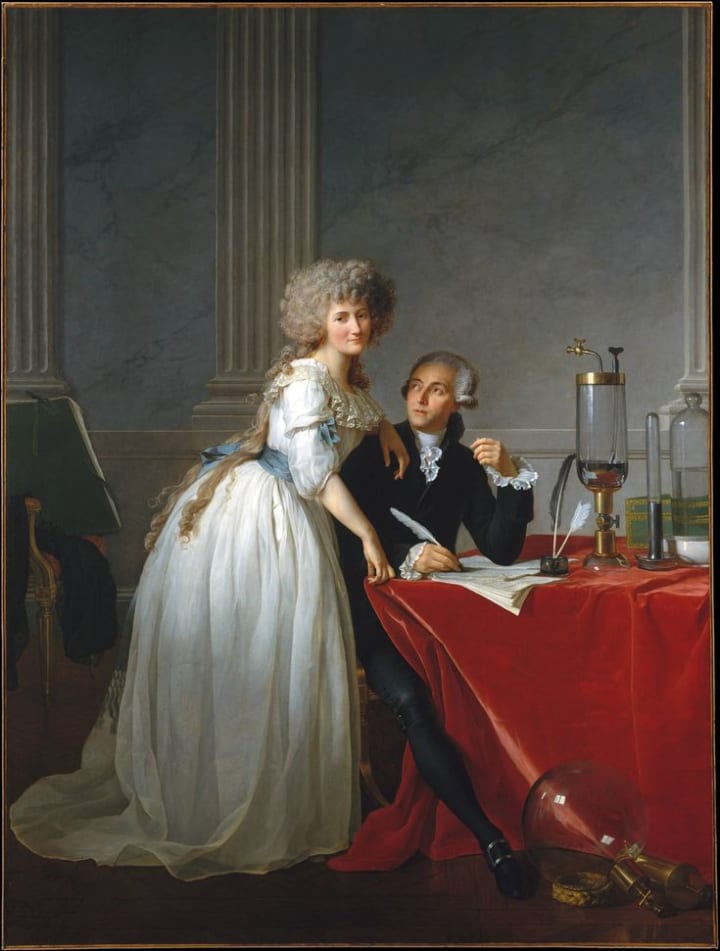
The First Chemistry Textbook
In 1789, Lavoisier published *Traité Élémentaire de Chimie* (*Elementary Treatise on Chemistry*), the first comprehensive chemistry textbook. It outlined the principles of the new chemistry, including the law of conservation of mass, the role of oxygen in combustion, and the new nomenclature system.
This textbook was instrumental in spreading Lavoisier’s ideas and is considered one of the most influential works in the history of science. It also listed a table of 33 elements, some of which were later discovered to be compounds, reflecting the evolving understanding of chemical substances.
Impact on Agriculture and Industry
Lavoisier’s scientific expertise extended beyond pure chemistry. He applied his knowledge to improve agriculture and industry, recognizing the importance of scientific methods in practical applications.
Advances in Agriculture
Lavoisier studied the composition of soils and fertilizers, advocating for the use of chemical analysis to enhance agricultural productivity. He demonstrated how crop yields could be improved through the proper use of nutrients, laying the groundwork for modern agricultural chemistry.
Contributions to Industry
His research also benefited industries such as metallurgy and manufacturing. Lavoisier developed more efficient processes for refining metals and producing chemicals, emphasizing the economic and practical value of scientific inquiry.
Public Service and the French Revolution
**Role as a Tax Official**
In addition to his scientific work, Lavoisier served as a tax official in the *Ferme Générale*, a private agency responsible for collecting taxes in France. His position allowed him to fund his scientific research, but it also tied him to the unpopular ancien régime.
**Scientific Contributions to Public Policy**
Lavoisier contributed to public welfare by applying his expertise to various civic projects. He improved street lighting in Paris, studied air quality, and worked on public health initiatives. His efforts reflected his belief that science should serve humanity.
**Conflict with the Revolution**
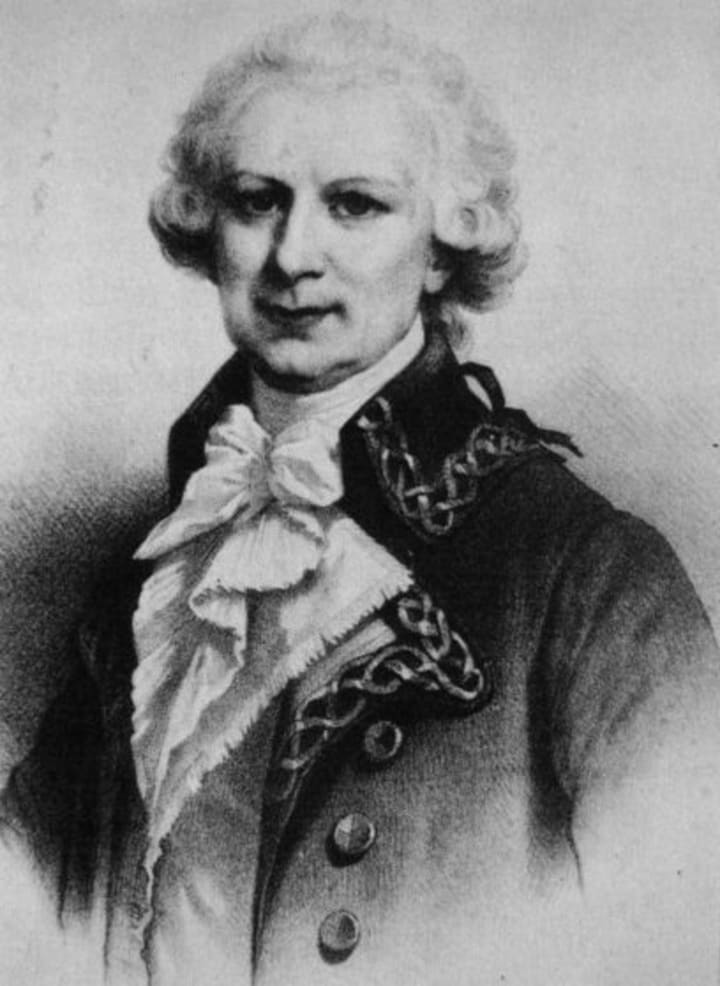
Despite his dedication to public service, Lavoisier’s association with the *Ferme Générale* made him a target during the French Revolution. In 1794, he was arrested during the Reign of Terror, accused of tax fraud and conspiring against the state. Tragically, he was executed by guillotine on May 8, 1794, at the age of 50.
**Legacy and Recognition**
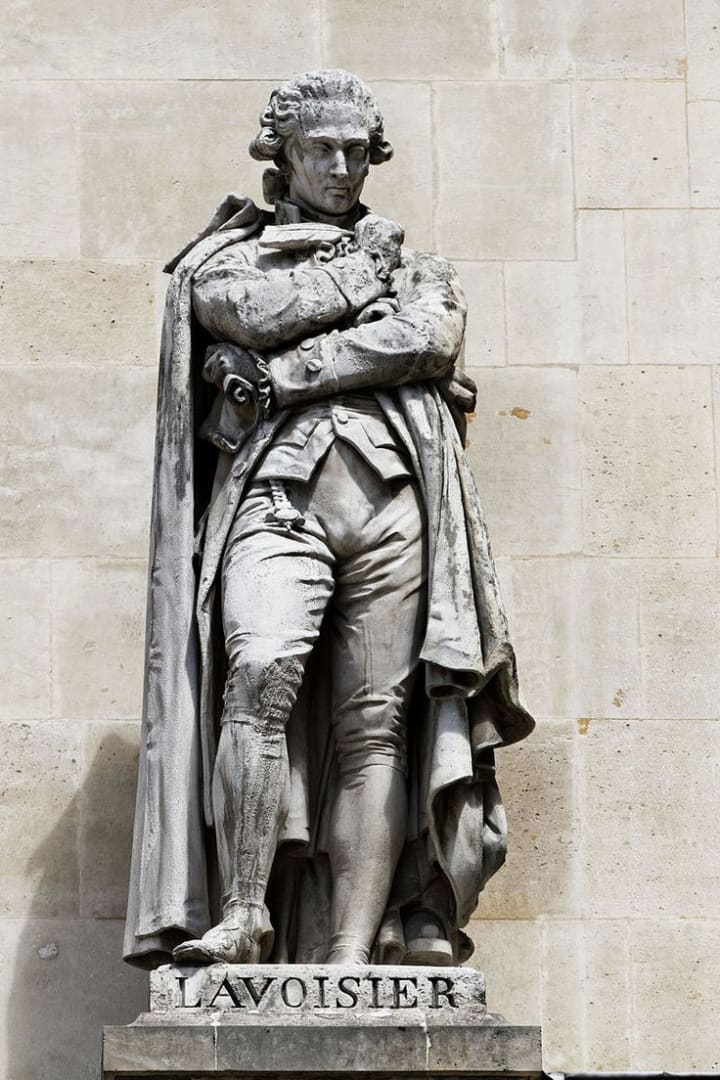
Lavoisier’s work reshaped the field of chemistry, earning him enduring recognition as one of history’s greatest scientists. His principles laid the groundwork for later discoveries, influencing generations of chemists.
**Posthumous Rehabilitation**
In 1796, two years after his execution, the French government officially exonerated Lavoisier, acknowledging the injustice of his trial. His contributions were celebrated, and his name became synonymous with the advancement of science.
**Influence on Modern Science**
Lavoisier’s emphasis on rigorous experimentation and quantitative analysis remains a cornerstone of scientific inquiry. His discoveries continue to inspire chemists, and his name is immortalized in institutions, awards, and scientific literature.
Conclusion
Antoine Laurent Lavoisier’s life exemplifies the transformative power of science. Through his groundbreaking discoveries in chemistry, he introduced a new era of understanding, emphasizing precision, logic, and empirical evidence.
Although his life was cut short by political turmoil, his legacy endures, highlighting the enduring importance of science in shaping human progress. Lavoisier’s contributions remain a testament to the potential of curiosity and reason to change the world.
About the Creator
Mahalakshmi
"My name is Mahalakshmi, and I'm passionate about storytelling in all its forms. From fiction to real-life tales, I love writing all types of stories that inspire, entertain, and spark imagination. Join me on this creative journey!"
Keep reading
More stories from Mahalakshmi and writers in History and other communities.
Sir Humphry Davy: A Pioneer of Chemistry and Innovation
Sir Humphry Davy: A Pioneer of Chemistry and Innovation Sir Humphry Davy (1778–1829) was one of the most influential scientists of the early 19th century. A chemist, inventor, and poet, he contributed significantly to our understanding of chemical elements, invented tools that saved lives, and inspired a generation of scientists. This essay explores his life, achievements, and legacy under the following subheadings.
By Mahalakshmiabout a year ago in History
The Quiet Name on Maple Street
Kim Jong-un was born into a world unlike almost any other—a world sealed by borders, ideology, and secrecy. As the grandson of Kim Il-sung, the founder of North Korea, and the son of Kim Jong-il, the country’s second leader, Kim Jong-un entered life already wrapped in destiny. In North Korea, leadership is not chosen by ballots or debate; it is inherited like a crown, reinforced by loyalty, fear, and an unyielding political system.
By The best writer 3 days ago in History


Comments
There are no comments for this story
Be the first to respond and start the conversation.