
Iran’s Strategic Balancing Act: Domestic Struggles and Global Tensions in 2025
From economic crises and protests at home to escalating tensions with Israel and the West, Iran stands at a critical crossroads — and the world is watching.
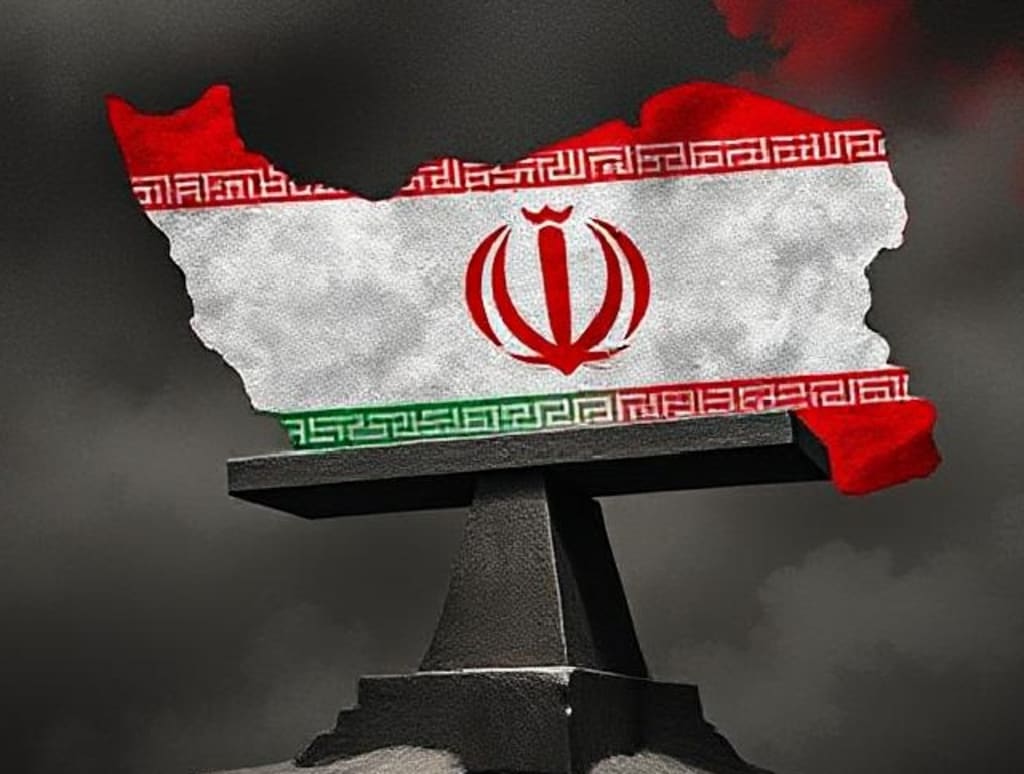
In 2025, Iran finds itself walking a tightrope — between defiance and diplomacy, survival and suppression, war and peace. As tensions rise across the Middle East and discontent simmers at home, Tehran is maneuvering through one of its most precarious moments in decades.
A Nation Under Pressure
Internally, Iran continues to face a severe economic downturn. Inflation has soared above 60%, the Iranian rial is in freefall, and unemployment — particularly among the youth — remains alarmingly high. Western sanctions, exacerbated by corruption and mismanagement, have crippled major sectors including oil exports, banking, and imports of vital goods like medicine and technology.
The daily life of ordinary Iranians reflects this distress. Shortages of basic necessities are becoming routine, while many families struggle to afford food, rent, and medical care. Blackouts, water scarcity, and rising crime have added to public frustration.
Meanwhile, protests — although heavily censored in state media — have erupted once again. From Mashhad to Tehran, demonstrators have voiced anger not just over economic conditions but also over government repression, lack of freedom, and the recent spike in executions. Human rights groups report that over 200 people have been arrested in the past two months alone, with dozens believed to have been killed in clashes with security forces.
Despite this, the Iranian regime remains steadfast. Supreme Leader Ayatollah Ali Khamenei has insisted that the unrest is the result of "foreign meddling," and the Islamic Revolutionary Guard Corps (IRGC) has doubled down on surveillance, arrests, and digital crackdowns.
A Boiling Regional Conflict
Beyond its borders, Iran’s foreign policy continues to raise alarm across the globe. In the wake of a deadly drone strike on an Iranian consulate in Syria — widely blamed on Israel — Tehran has issued threats of “severe retaliation.” This follows years of low-intensity conflict between the two nations, including cyberattacks, sabotage campaigns, and targeted killings of nuclear scientists.
In response to Israeli airstrikes in Syria and Lebanon, Iran-backed Hezbollah has reportedly intensified its cross-border rocket fire, raising fears of a full-scale war on Israel’s northern front. Iranian proxies in Iraq and Yemen — particularly the Houthis — have also stepped up operations, targeting U.S. assets and commercial shipping routes in the Persian Gulf and Red Sea.
These actions have prompted a strong reaction from the West. The United States has increased its naval presence in the Strait of Hormuz, one of the world’s most vital oil chokepoints, while NATO officials have issued warnings about Iran’s growing threat in the region.
In Europe, leaders are split between urging diplomacy and imposing fresh sanctions. France and Germany have called for a renewed nuclear deal — commonly referred to as the JCPOA — but hardliners in both Washington and Tehran appear unwilling to compromise.
Nuclear Ambitions Back in Focus
Iran's nuclear program is once again at the center of global concern. Following the collapse of the 2015 nuclear agreement after the U.S. withdrawal in 2018, Tehran has ramped up its uranium enrichment to levels close to weapons-grade.
Recent IAEA (International Atomic Energy Agency) inspections have found alarming signs — advanced centrifuges spinning at the Fordow facility, reduced transparency, and a stockpile of enriched uranium far beyond the JCPOA’s limits.
Western intelligence agencies have warned that Iran could theoretically develop a nuclear weapon within a matter of months — a move that would dramatically alter the balance of power in the Middle East and potentially trigger military intervention by Israel or the U.S.
However, Iranian officials maintain that their program is entirely peaceful, designed for energy production and medical research. Nevertheless, their refusal to allow full inspections has only deepened suspicions.
The Global Chessboard: Allies and Adversaries
As U.S.-Iran tensions deepen, Tehran is seeking to pivot eastward. China and Russia have emerged as key partners, offering economic lifelines and military cooperation in exchange for strategic influence.
In March, Iran officially joined the Shanghai Cooperation Organization (SCO), strengthening ties with Eurasian powers. Chinese companies have resumed work on key infrastructure projects in Iran, including railways and energy pipelines, while Russia continues to provide military support and intelligence sharing.
This emerging alliance has added a new layer of complexity to global geopolitics, drawing battle lines reminiscent of Cold War blocs. Iran’s alignment with anti-Western powers also fuels fears that the Middle East could become a flashpoint for broader global conflict.
The People’s Voice: Resistance and Resilience
Despite relentless government control, the Iranian people continue to find ways to express their dissent. Underground artists, exiled journalists, and brave activists inside the country are using encrypted apps, VPNs, and satellite broadcasts to bypass censorship and share the truth.
In recent months, the "Woman, Life, Freedom" movement — ignited by the 2022 death of Mahsa Amini — has seen a revival, especially among students and women’s groups. While brutally suppressed by authorities, the spirit of the movement persists.
Iranian diaspora communities in the U.S., Europe, and beyond have organized large-scale protests, calling for international action and amplifying the voices of those inside the country. Their message is clear: the struggle for freedom in Iran is not over.
What Lies Ahead?
As Iran approaches the 2025 parliamentary elections, uncertainty looms. The ruling clerics are tightening their grip, disqualifying reformist candidates and increasing surveillance of political gatherings. Many analysts predict low voter turnout amid widespread disillusionment.
At the same time, global observers worry that the next confrontation — whether over nuclear weapons, oil shipping lanes, or proxy wars — could spiral out of control.
For now, Iran remains caught between internal collapse and external confrontation. The decisions made in Tehran — and in capitals across the world — in the coming months will determine whether the region can avoid catastrophe, or if it plunges into yet another war.
One thing is certain: the eyes of the world are on Iran, and the stakes have never been higher.
---
Tags: Iran, Middle East, Israel, Nuclear Deal, JCPOA, Protests, Ayatollah Khamenei, U.S.-Iran Tensions, Human Rights, Revolutionary Guard, Strait of Hormuz, Hezbollah, China, Russia, 2025 Politics
About the Creator
Lal Sher Khan
writer
Keep reading
More stories from Lal Sher Khan and writers in History and other communities.
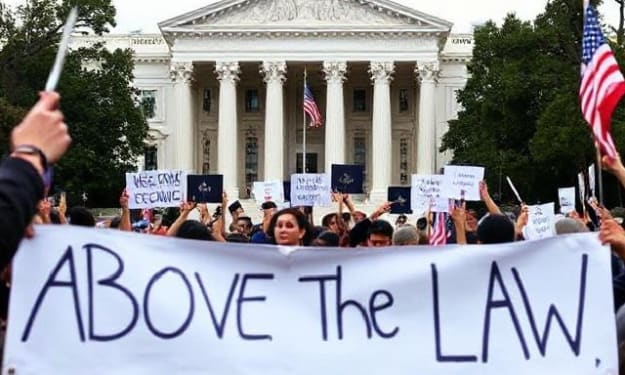
Above the Law? Supreme Court Ruling on Presidential Immunity Sparks U.S. Protests"
In one of the most consequential rulings in American judicial history, the U.S. Supreme Court on Monday granted former presidents substantial immunity from criminal prosecution for actions taken while in office. The decision, rendered in a 5–4 vote, has ignited a political firestorm, sending shockwaves across the country and plunging the nation into a fresh round of civic unrest.
By Lal Sher Khan 7 months ago in History
World War I
The morning fog lay thick over the trenches of northern France, clinging to the earth as if it too feared what was about to happen. Private Thomas Hale pulled his coat tighter around himself, though it did little to stop the cold from seeping into his bones. He had been in the trenches for six months, yet the damp smell of mud, smoke, and fear still felt unfamiliar, like a nightmare he could not wake from.
By Maavia tahir5 days ago in History
Chicago Hospital Held Newborn Baby for 8 Months Over an Unpaid Medical Bill
Debts were handled much differently in the 19th and early 20th century. Back then, people who accrued debt had more to fear than letters and calls from collection agencies the same way we do today, especially if they owed a hospital or doctor money.
By Criminal Matters5 days ago in History
How to Succeed at the Benson Directory®
Congratulations and welcome to the Benson Directory® employee #22391! As our newest call handler, you will have the privilege of speaking with dozens of unique and interesting people on a daily basis as well as the opportunity to earn bonuses for high performance. Contained within this handbook you will find a set of ease to follow instructions designed to help you settle in to your new role and begin paving the way to success.
By S. A. Crawfordabout 23 hours ago in Fiction



Comments
There are no comments for this story
Be the first to respond and start the conversation.