
Investigating the origins of civilization
The Sumerians and Their Enduring Influence.

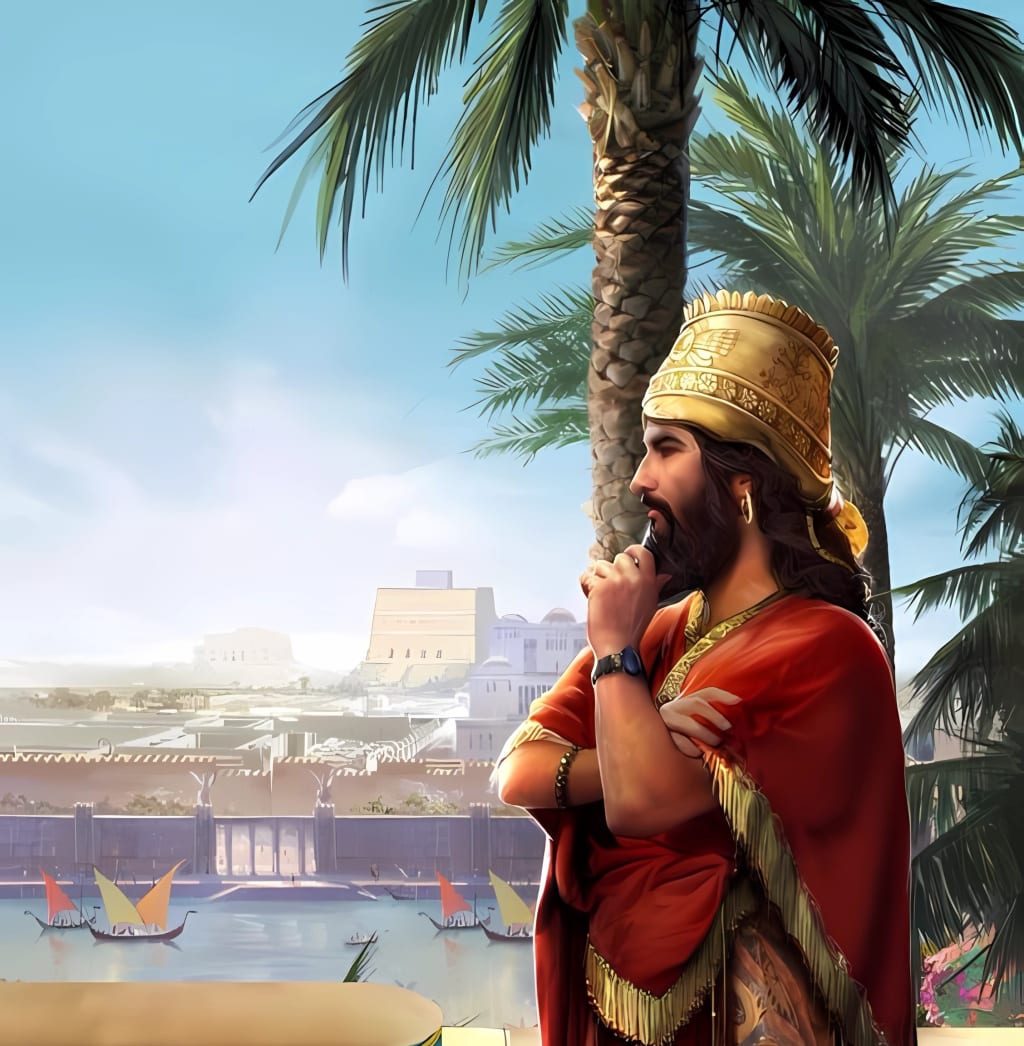
Situated in the rich valley between the Tigris and Euphrates rivers, in present-day Iraq, Mesopotamia is recognized as one of the most important historical regions in human history. Commonly known as the "Cradle of Civilization," this area was inhabited by various groups who vigorously competed for its valuable resources and its strategic location linking Asia, Africa, and Europe. Among the ancient cultures that flourished in this region, the Sumerians are particularly notable for their groundbreaking contributions to state formation, cultural advancement, and technological progress. The designation "Sumerian" comes from the Akkadian term Shummer, which probably points to their geographical roots. In contrast, the Sumerians identified themselves as Hugozagh, meaning the "Black-Headed People." Their history traces back to prehistoric societies, including the Ubaid culture, which flourished near the Persian Gulf from the Neolithic era until the early Uruk period, approximately 4000 BCE. Although the exact origins of the Sumerians are still a topic of discussion, historians suggest they might have emerged from Central Asian populations or local Mesopotamian groups. The Sumerian civilization began to thrive around 4500 BCE and continued until approximately 1900 BCE. This era is typically categorized into six significant phases: the Ubaid Period, Uruk Period, Early Dynastic Period, Akkadian Empire, Gutian Interregnum, and the Third Dynasty of Ur. These phases were characterized by the emergence of city-states such as Uruk, Eridu, and Lagash, which became hubs of political authority, trade, and religious activities.
Each city-state was led by a patesi (priest-king) or a lugal (king), and the society was organized in a hierarchical manner, with priests serving as intermediaries between the gods and the populace. The Sumerians adhered to a polytheistic belief system, erecting grand temple complexes called ziggurats to venerate their gods. Their conviction in the divine's role in everyday life also contributed to the advancement of astrology. The contributions of the Sumerians to human civilization are extensive and significant. They are recognized for the invention of cuneiform writing, one of the earliest known systems of written communication. By utilizing clay tablets and wedge-shaped instruments, they established a lasting method for documenting transactions, legal codes, and narratives, which subsequently influenced cultures such as the Akkadians and Babylonians.
In the realm of agriculture, the Sumerians excelled remarkably. They engineered advanced irrigation systems, including canals, dikes, and reservoirs, which enabled them to support large populations and generate trade surpluses. Their innovations in mathematics and calendar systems facilitated accurate agricultural planning, while their skills in pottery, textiles, and metalwork showcased a vibrant economy and rich cultural heritage. As the population in the region increased, competition for resources intensified. The Sumerians refined their military tactics, utilizing bronze weapons, chariots, and structured armies. Additionally, they established the foundations for intricate legal and administrative systems, exemplified by the Code of Ur-Nammu, recognized as the oldest known legal code in history. This legal framework introduced concepts of justice, standardized measurements, and safeguards for vulnerable groups, including widows and orphans.
The Sumerians, despite their notable accomplishments, encountered considerable obstacles, including invasions from the Gutians and Amorites, along with severe environmental challenges such as droughts. The collapse of the Third Dynasty of Ur signified the dissolution of the Sumerian civilization as a separate entity. Nevertheless, their impact persisted, influencing later Mesopotamian cultures, including the Babylonians and Assyrians.
Numerous elements of contemporary civilization can be traced back to the Sumerians. Their contributions include the development of a 12-month calendar, innovative agricultural practices, urban planning, and significant literary works like the Epic of Gilgamesh, all of which continue to be fundamental to human history.
The Sumerians were instrumental in establishing one of the earliest advanced civilizations, significantly influencing various elements of contemporary society. Their narrative serves as a testament to the lasting impact of human creativity and cultural interaction. By examining their contributions, we enhance our understanding of the civilizations that have molded our shared history.
About the Creator
A História
"Hi. My name is Wellington and I'm a passion for general history. Here, I publish articles on different periods and themes in history, from prehistory to the present day.
Keep reading
More stories from A História and writers in History and other communities.
Unraveling the Secrets of Ancient Egypt
Welcome to the intriguing realm of Ancient Egypt, renowned as one of history's most iconic and thoroughly studied civilizations. Even with extensive research and numerous archaeological findings, Egypt remains a source of fascination for historians and enthusiasts. In this article, we will delve into the origins, societal structure, religious beliefs, and lasting legacy of this extraordinary civilization, examining the pivotal phases that contributed to its enduring impact on the world. The origins of Ancient Egypt can be traced back to approximately 5,500 BCE during the Predynastic Period. During this era, Northeast Africa was characterized by a verdant savanna, where various tribes thrived by taking advantage of the region's rich resources. As the climate shifted towards aridity, these groups began to migrate to the fertile Nile Valley, setting the stage for one of the most sophisticated agricultural societies of the ancient world.
By A Históriaabout a year ago in History
Year 1816 in Review: Fun Facts, Trivia, and Historic Highlights
This quick read is a collection of fun facts, trivia, and historical events from the year 1816. Discover the year’s top news stories, most influential people, historic firsts, erratic weather patterns, and much more.
By Gregory DeVictor7 days ago in History




Comments
There are no comments for this story
Be the first to respond and start the conversation.