
Indonesian black magic history
The Dark Tapestry of Indonesian Black Magic: A Historical Exploration
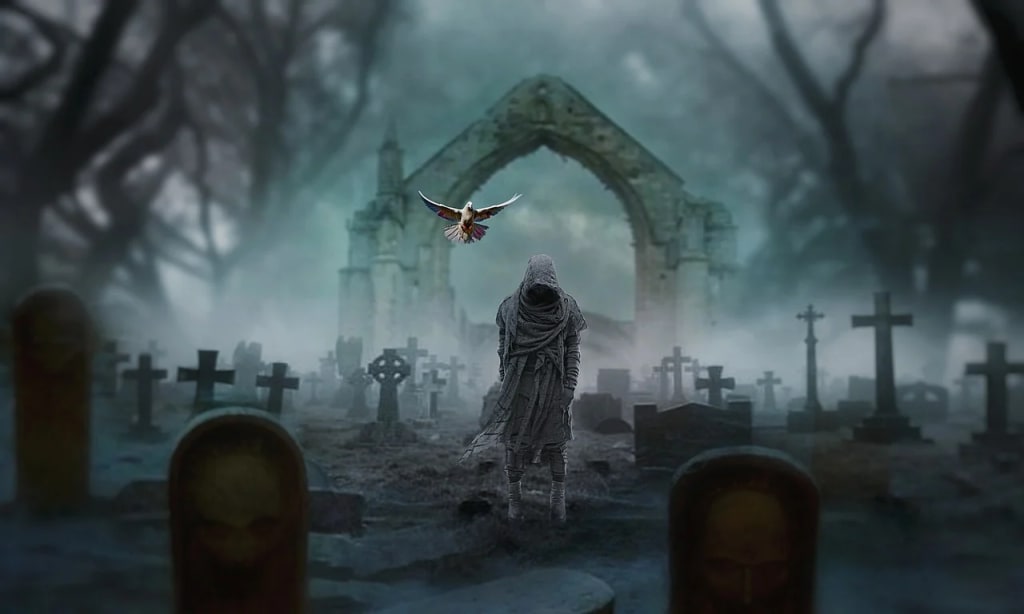
Indonesia, a vast archipelago with over 17,000 islands and rich cultural diversity, is steeped in mysticism and spiritual traditions. Among its most enigmatic and controversial practices is black magic, known locally as ilmu hitam. Rooted in pre-Hindu animist beliefs and evolving through centuries of cultural exchange, black magic in Indonesia has historically held a significant—though shadowy—place in both local traditions and national consciousness.
Origins in Animism and Shamanism
Before the arrival of Hinduism, Buddhism, and later Islam, the indigenous peoples of Indonesia practiced animism. They believed that rocks, rivers, trees, and even the human soul were inhabited by spirits. Shamans, known in some regions as dukun or balian, were the mediators between the human and spirit worlds. While many dukun were healers and protectors, others specialized in manipulating spirits for darker purposes. This early form of sorcery laid the groundwork for the black magic that would later evolve across the islands.
Influence of Hindu-Buddhist and Islamic Traditions
With the spread of Hinduism and Buddhism (starting around the 1st century CE), spiritual practices in Indonesia became more structured and philosophical. However, these new religions frequently incorporated animistic beliefs rather than replacing them. Concepts like karma and reincarnation merged with indigenous magical practices. Temples were built not only as religious sites but also as centers for esoteric knowledge.
The Islamic arrival in the 13th century brought further transformation. Sufi mysticism, with its emphasis on inner spiritual journeys, found resonance with Indonesian spiritual seekers. Yet, not all Islamic teachings discouraged magic; in some circles, Arabic spells and talismans became tools of power. Many Islamic dukun adopted Qur’anic verses for protection or manipulation, blurring the lines between accepted religious practice and the occult.
Black Magic Practices and Beliefs
Indonesian black magic varies widely by region but typically involves rituals meant to control, harm, or manipulate others through supernatural means. Common practices include:
Santet: A type of magical attack where objects like needles, glass shards, or nails are spiritually sent into a victim’s body, causing pain or illness.
Pelet: Love spells or charms to attract someone’s affection, often violating the target's free will.
Guna-guna: A broader term for enchantments, sometimes used for revenge, illness, or emotional manipulation.
These rites often require offerings, incantations, or the assistance of malevolent spirits. In more extreme cases, practitioners are believed to make pacts with demons or spirits, sacrificing animals—or in legends, even humans.
Social and Political Role
Throughout history, black magic has also been used for power and influence. In local politics, especially in rural areas, accusations of using ilmu hitam to win elections or harm rivals are not uncommon. In the Suharto era (1967–1998), rumors abounded that both state officials and opposition figures employed spiritual advisors or black magicians for protection and manipulation.
Fear of black magic also led to violent outcomes. During the anti-communist purges of 1965–66, thousands of accused communists and suspected black magic practitioners were killed, especially in Java and Bali. These massacres were often fueled by a mix of political paranoia and spiritual fear.
Contemporary Views and Popular Culture
Today, black magic remains a taboo but fascinating subject in Indonesian culture. Television programs, horror films, and novels frequently explore tales of supernatural revenge and dark rituals. Even modern or religious Indonesians still turn to dukun for assistance or protection from black magic. At the same time, government officials and clerics have tried to discourage belief in or the practice of black magic. Laws exist that penalize fraudulent spiritual services, but enforcement is uneven due to the deeply rooted nature of these beliefs.
Conclusion
The history of black magic in Indonesia is a mirror reflecting the nation’s spiritual complexity and cultural evolution. From ancient animist roots to modern anxieties, it continues to weave itself into the fabric of Indonesian life—both feared and revered, rejected and embraced. It is not merely superstition, but a potent symbol of the unseen forces that shape human destiny in this island nation.
Would you like this article formatted for publication or turned into a presentation?
About the Creator
Keep reading
More stories from writers in History and other communities.
The Epic of 1917
Before discussing the cannons of Mărăști, one must understand the deplorable state of the country at the beginning of 1917. Following the disastrous campaign of 1916, two-thirds of Romanian territory, including Bucharest, was under German and Austro-Hungarian occupation. The Government, the Royal Family, and the remnants of the army had retreated to Moldavia.Moldavia had become a vast refugee camp. Famine, the biting cold, and typhus were ravaging the population, killing more people than the enemy's bullets. However, amidst this apocalyptic landscape, a miracle occurred: the reorganization of the army. Under the guidance of the French Military Mission led by General Henri Berthelot, the Romanian soldier was rearmed, trained in modern warfare tactics, and, most importantly, restored to his dignity. King Ferdinand’s promises regarding land reform and universal suffrage transformed peasants into soldiers ready for the ultimate sacrifice.
By alin butuc3 days ago in History
The Summer I Was Chosen by a Northern Mockingbird
During the long, suspended days of the pandemic, a wild mockingbird began visiting my driveway and chose me, again and again. What started as a strange encounter became a brief, meaningful connection that I still carry with me.
By Erica Roberts 7 days ago in Petlife



Comments
There are no comments for this story
Be the first to respond and start the conversation.