
Illuminating the Past: The Ingenious Roads of Ancient Pompeii
Ancient Greek

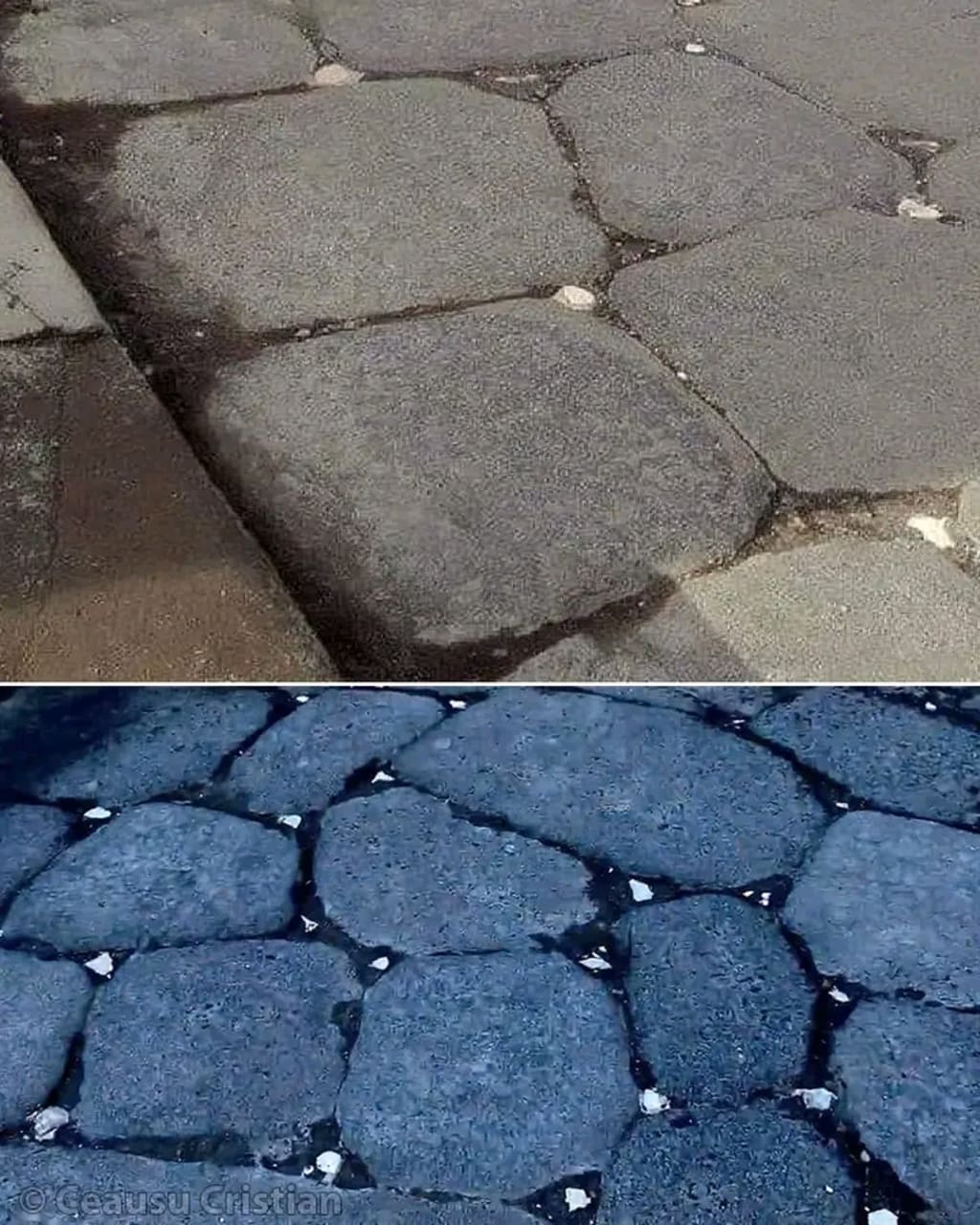
The ancient city of Pompeii, famously frozen in time by the catastrophic eruption of Mount Vesuvius in 79 AD, continues to fascinate us with its remarkably preserved glimpses of Roman life. Among its many marvels is an often-overlooked innovation: a road system so advanced that it incorporated what can only be described as an ancient lighting solution. Imagine walking along a Roman road, its surface embedded with small white stones that gleamed under the moonlight, guiding travelers safely through the dark. This was no mere decorative flourish—it was a masterstroke of urban planning that exemplified the Romans' dedication to practicality, safety, and aesthetics.
---
A Revolutionary Lighting System
In an era long before streetlamps and electricity, the Romans found a simple yet effective way to illuminate their streets. The roads of Pompeii were paved with dark volcanic stone, which could render them nearly invisible at night. To solve this problem, the ingenious city planners embedded small white stones, likely made of limestone or marble, into the pavement. These stones reflected the moonlight, creating a subtle but effective glow that illuminated the way for night travelers.
This innovation was particularly significant in a bustling city like Pompeii, where trade, social gatherings, and daily activities often extended into the night. The reflective stones reduced the risk of accidents, enhanced visibility, and made the streets safer for everyone. Today, these ancient roads stand as a testament to Roman ingenuity and their forward-thinking approach to urban design.
---
A Testament to Roman Urban Planning
The lighting system is just one aspect of Pompeii’s remarkable road network. Roman roads were meticulously designed to withstand heavy use, with features that rival modern infrastructure. The streets were paved with large, tightly fitted stones, creating a durable surface that could endure the constant traffic of carts, animals, and pedestrians.
Additionally, the roads were designed with a slight camber, or slope, to allow rainwater to drain into the gutters along the sides. Crosswalks, raised slightly above the road surface, were strategically placed to help pedestrians navigate the streets without stepping into the often muddy or waste-filled thoroughfares. These crosswalks were spaced to allow cart wheels to pass through without obstruction—a clever touch that highlights the Romans’ attention to detail.
---
The Eruption That Preserved a Masterpiece
When Mount Vesuvius erupted in 79 AD, it unleashed a devastating pyroclastic flow that buried Pompeii under layers of ash and pumice. While the destruction was catastrophic, it also preserved the city in remarkable detail, including its road system. Today, walking through Pompeii’s ancient streets feels like stepping into a time machine, with the preserved roads offering a vivid glimpse into the lives of its inhabitants.
The reflective stones embedded in the roads are a particularly striking feature. They not only demonstrate the technological prowess of the Romans but also serve as a poignant reminder of a society that, despite its advanced engineering and cultural achievements, was ultimately powerless against the forces of nature.
---
A Civilization Ahead of Its Time
The roads of Pompeii reflect a broader truth about Roman civilization: their unparalleled ability to integrate practicality with elegance. The reflective stones, for example, weren’t just a functional feature; they also added a touch of sophistication to the cityscape. This balance between utility and beauty was a hallmark of Roman design, evident not only in their roads but also in their aqueducts, amphitheaters, and public baths.
The Romans understood that urban planning was about more than just building structures—it was about creating spaces that improved the quality of life for their citizens. From providing clean water through aqueducts to lighting the streets with reflective stones, they prioritized the safety, comfort, and convenience of their people.
---
Lessons from the Past
What can we learn from Pompeii’s ancient roads in the modern era? For one, it’s a reminder that innovation doesn’t always require cutting-edge technology. Sometimes, the most effective solutions are the simplest. The reflective stones of Pompeii were a low-tech answer to a high-stakes problem, yet they achieved results that were both functional and enduring.
Moreover, the roads of Pompeii underscore the importance of designing cities with people in mind. Urban planning is about more than just building infrastructure—it’s about creating environments that are safe, accessible, and welcoming. In this regard, the Romans were far ahead of their time, and their achievements continue to inspire architects, engineers, and urban planners today.
---
Walking Through History
Today, visitors to Pompeii can walk along these ancient roads and marvel at their ingenuity. The reflective stones, though weathered by time, still glimmer faintly under the sunlight, offering a glimpse into the brilliance of their original design. It’s a humbling experience to tread the same paths as the Romans, to imagine the bustling life of a city that once thrived here, and to see firsthand how their innovations have stood the test of time.
Pompeii’s roads are more than just relics—they are a living history lesson, a reminder of the ingenuity and resilience of one of the greatest civilizations the world has ever known. As we continue to uncover the secrets of this ancient city, one thing becomes clear: the Romans didn’t just build for their present; they built for eternity.
---
Conclusion
The ancient roads of Pompeii, with their reflective stones and innovative design, offer a fascinating insight into the ingenuity of Roman engineering. They are a testament to a civilization that prioritized safety, practicality, and beauty in equal measure. Long after the eruption of Mount Vesuvius, these roads remain a symbol of Roman sophistication and a reminder of the enduring legacy of a society that was truly ahead of its time. Whether you’re a history enthusiast or simply someone who appreciates the marvels of human innovation, Pompeii’s roads are a story worth exploring—a story of brilliance, resilience, and the timeless pursuit of excellence.
About the Creator
Keep reading
More stories from Deji Akomolafe and writers in History and other communities.
Little Moreton Hall: The Charmingly Wonky Wonder of England
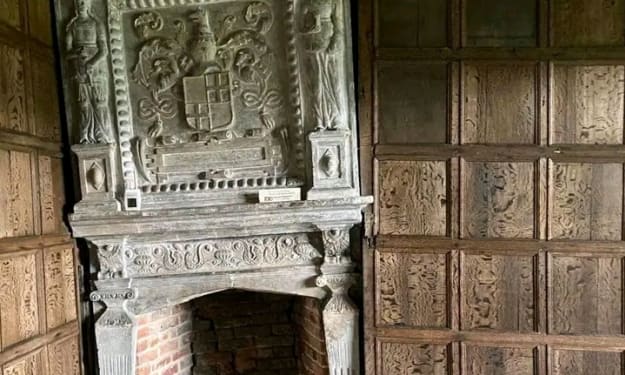
Little Moreton Hall, nestled in the picturesque Cheshire countryside, is a masterpiece of Tudor architecture and one of England's most eccentric historic homes. Built between 1504 and 1610, it is famous not only for its remarkable craftsmanship but also for its delightful imperfections. While its quirky, crooked appearance has charmed visitors for centuries, one particular feature continues to intrigue: its seemingly wonky fireplace. Despite appearances, the fireplace is perfectly straight—it's the rest of the room that’s out of alignment.
By Deji Akomolafeabout a year ago in History
Napoleon Bonaparte — From Corsican Outsider to Emperor of Europe
Napoleon Bonaparte was born on August 15, 1769, on the Mediterranean island of Corsica, a land that had only recently come under French control. His family was of modest noble status, and young Napoleon grew up feeling like an outsider—Corsican by culture, yet educated as a Frenchman. This sense of being different shaped his fierce ambition and iron will. From an early age, he showed a sharp mind, a deep love for history, and an unusual talent for mathematics, which later proved essential in warfare.
By The best writer 4 days ago in History
Balloonfest 1986
Balloonfest 1986 was meant to be a joyful celebration. It was planned as a world record attempt and a symbol of hope, fun, and community spirit. Instead, it became one of the most famous examples of how a good idea can go wrong when nature is underestimated.
By shaoor afridi7 days ago in History


Comments
There are no comments for this story
Be the first to respond and start the conversation.